
Scenery

Birds
Jul 25, 2019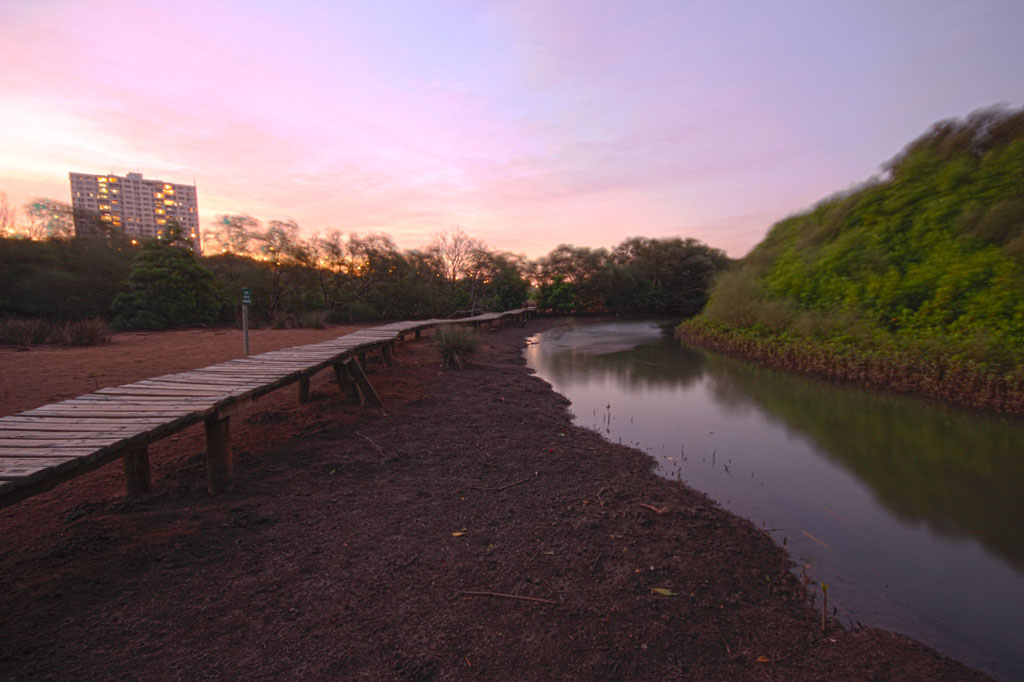
-
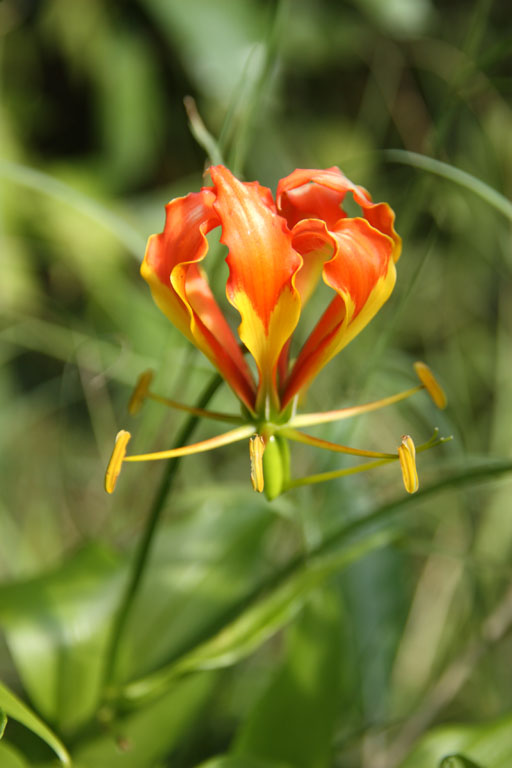
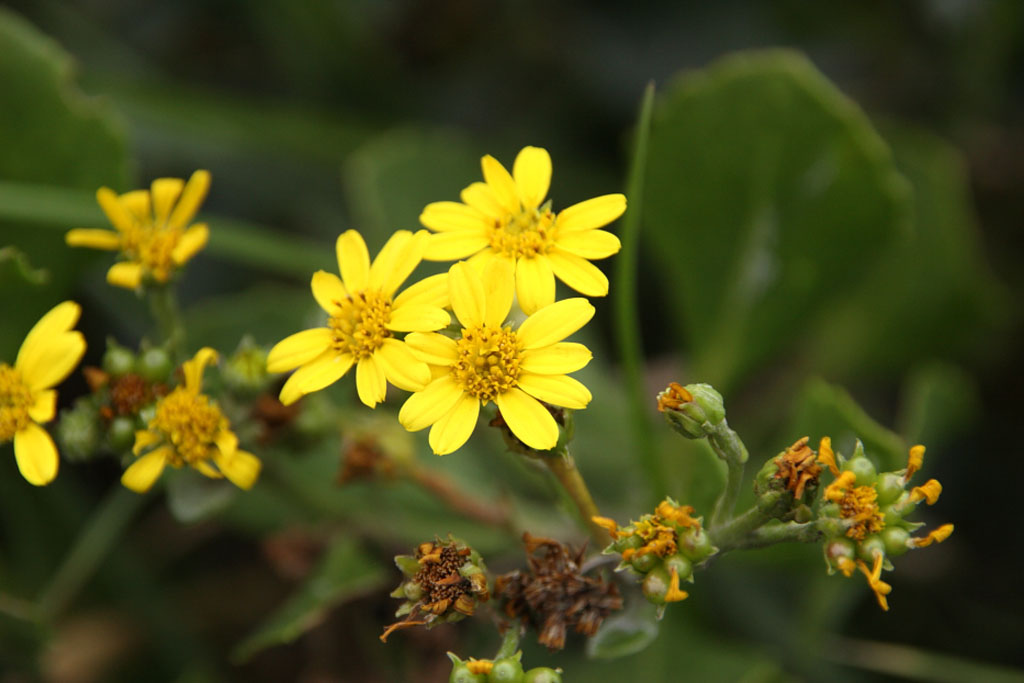
- Flame-lilly
-
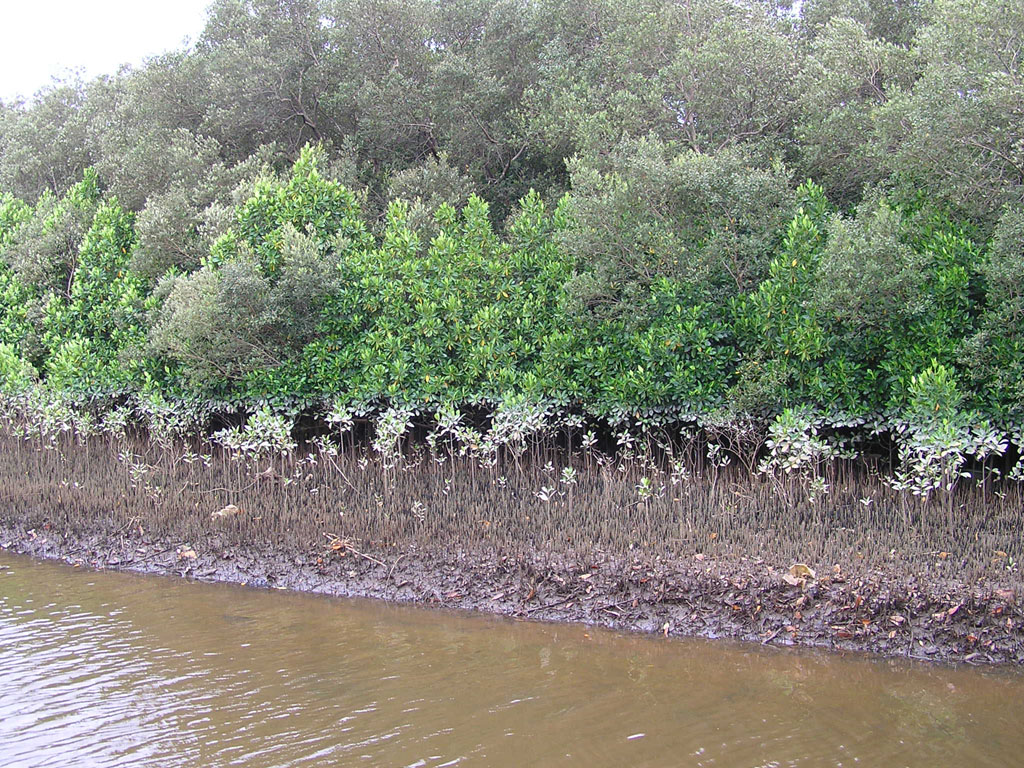
- White Mangrove Trees
-
- White Mangrove trees
-
- White Mangrove trees

-
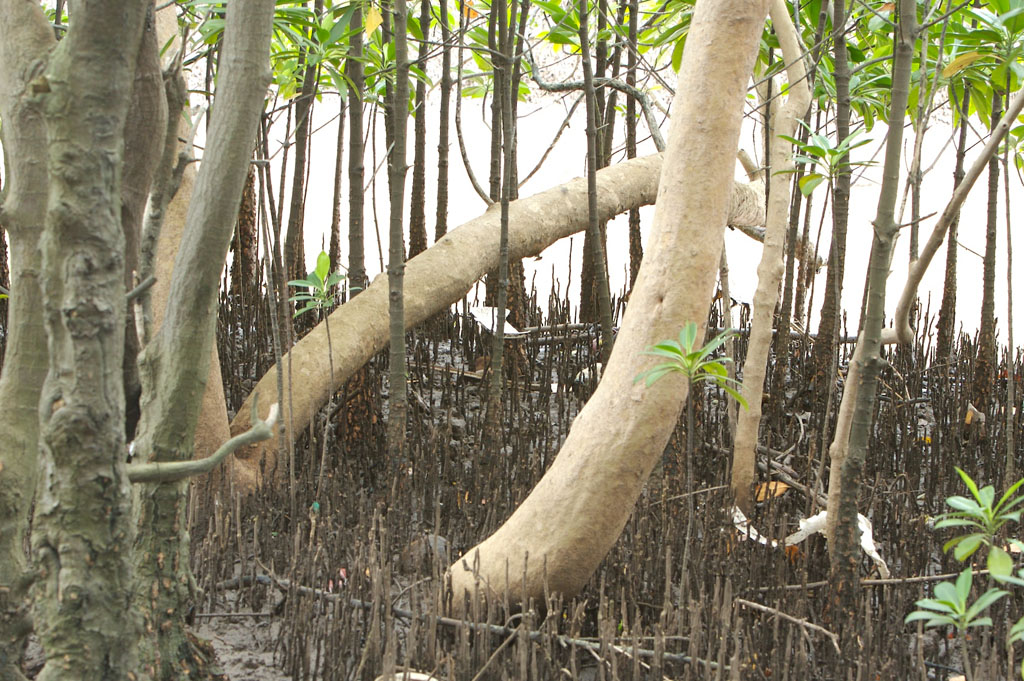
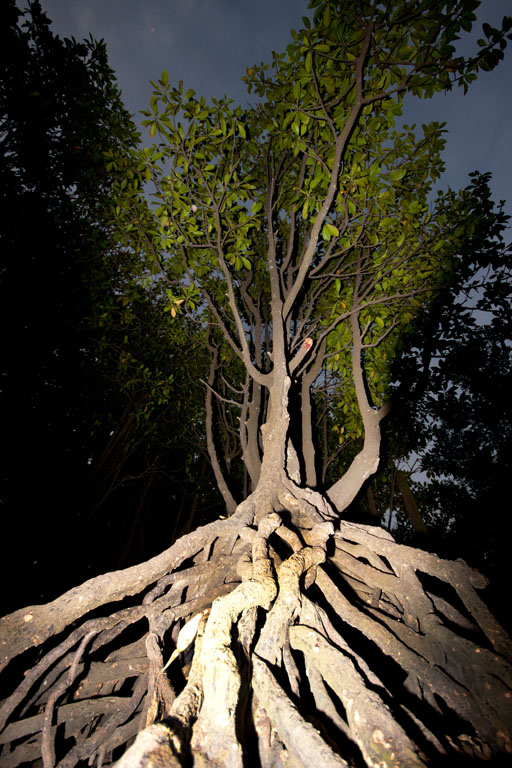
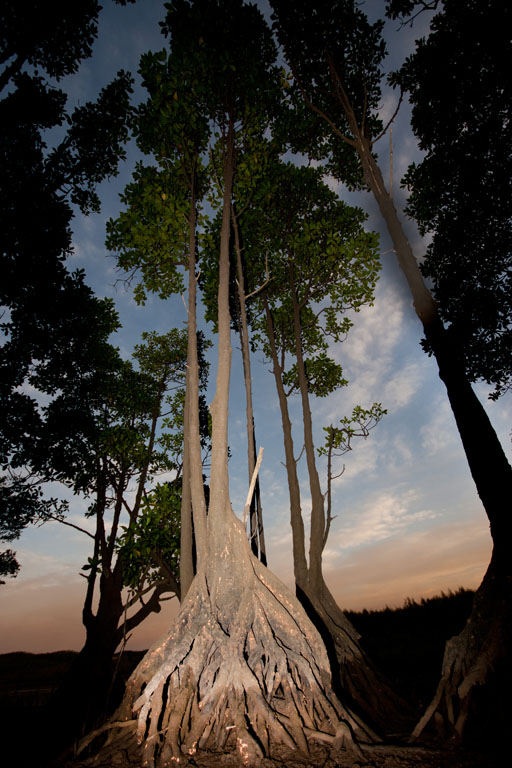
- White Mangrove roots
-

- White Mangrove flowers

-
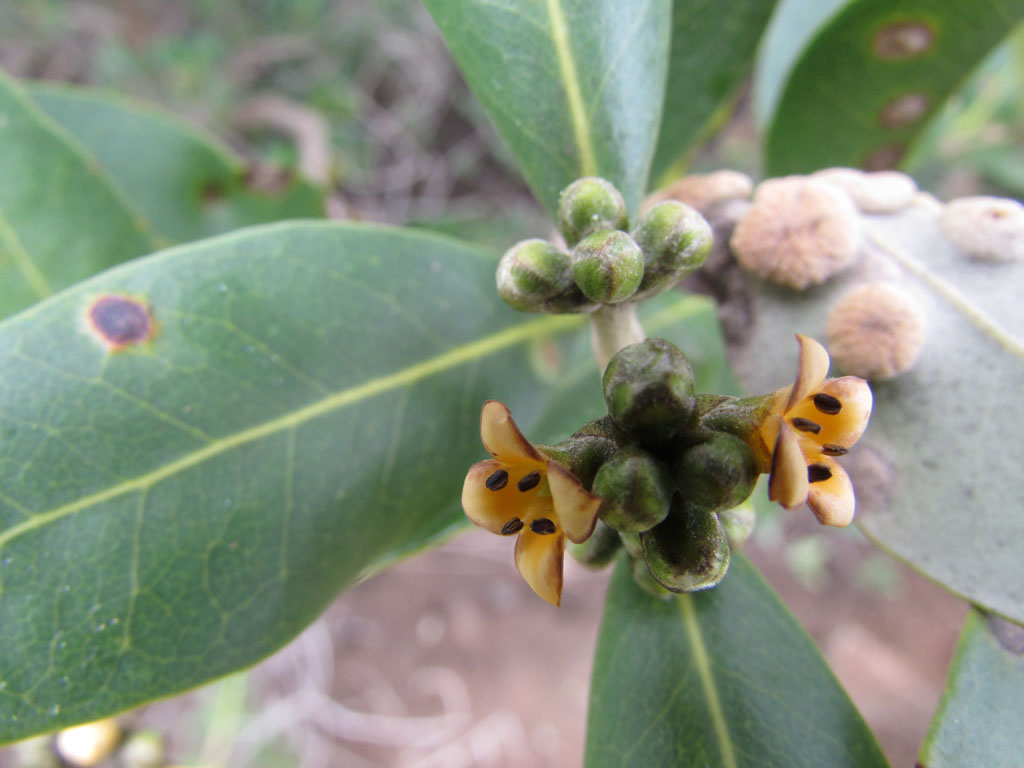
- White Mangrove flowers
-
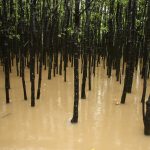
- Tidal Forest

-
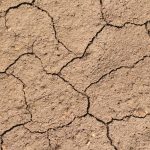
- Summer soil – March

-
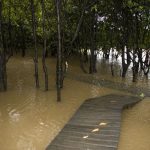
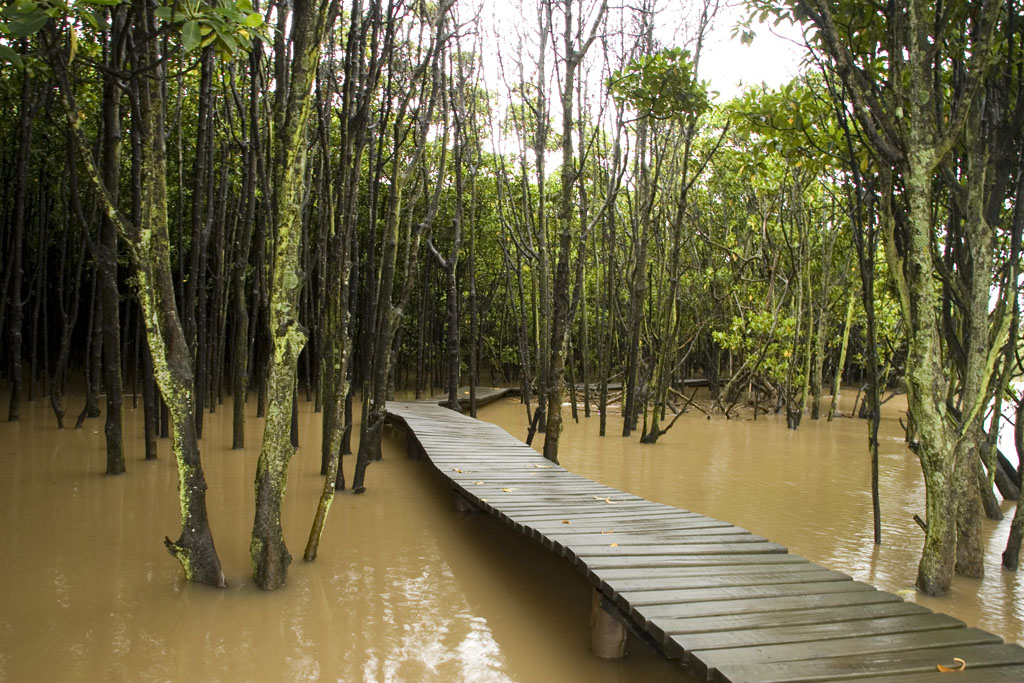
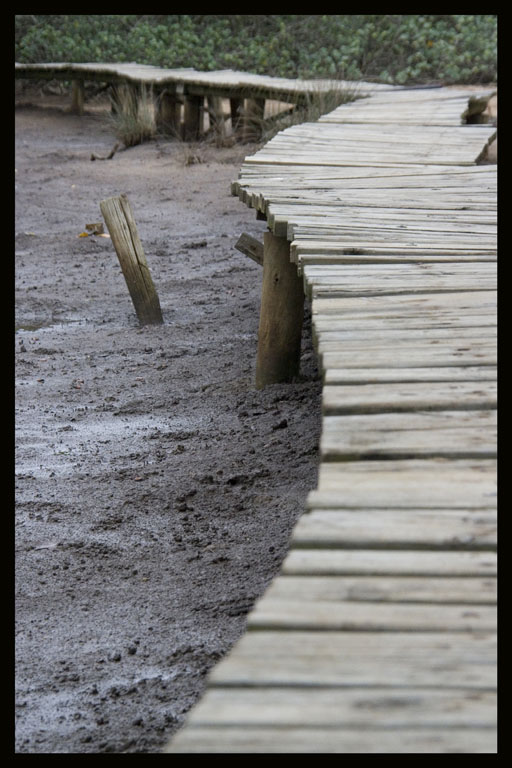
- Submerged Boardwalk

-

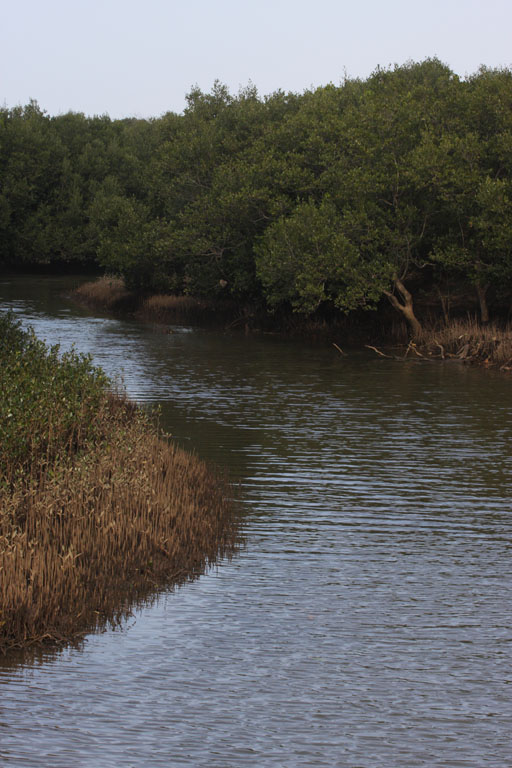
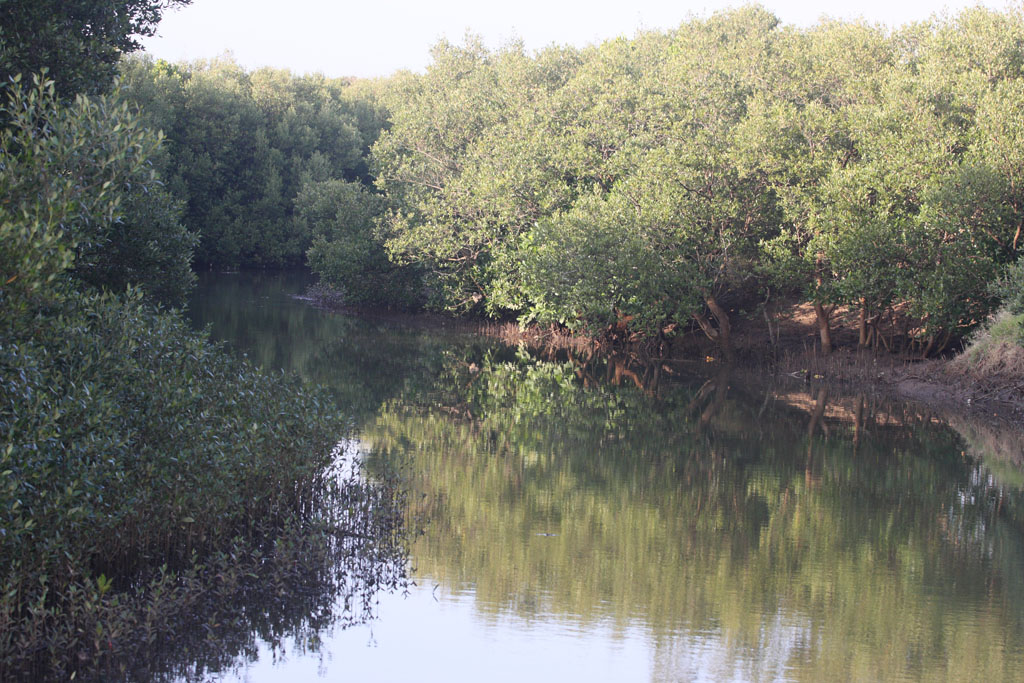
- Stream pano

-
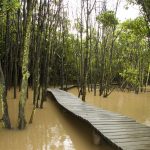
- Springs March 2012



-

- Hibiscus flower

-

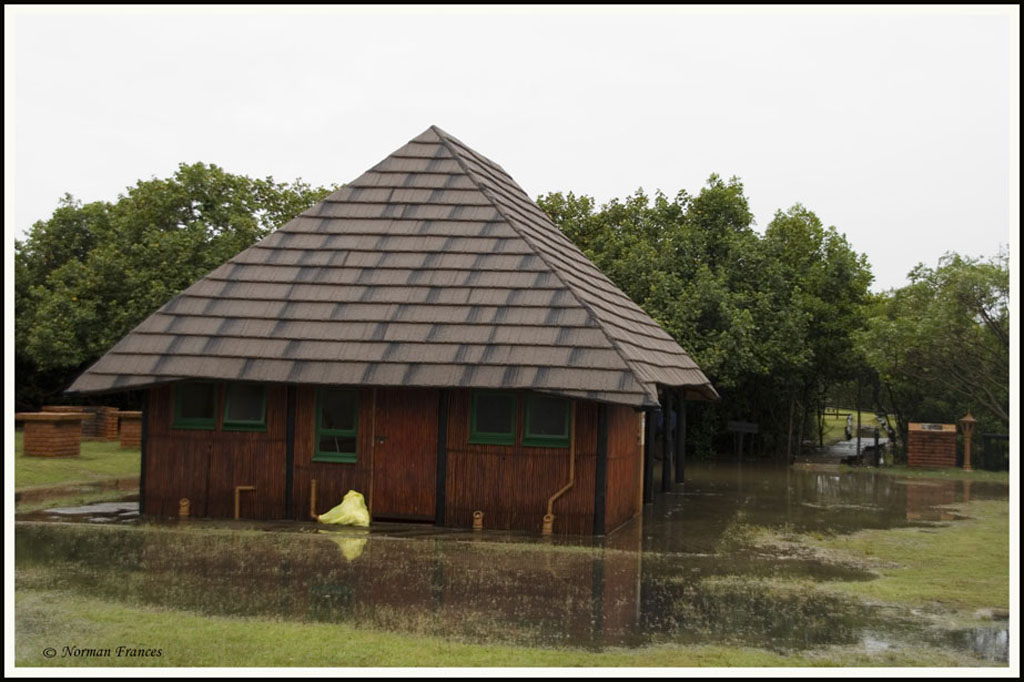
- Flooding



-
- Bracket Fungus

-

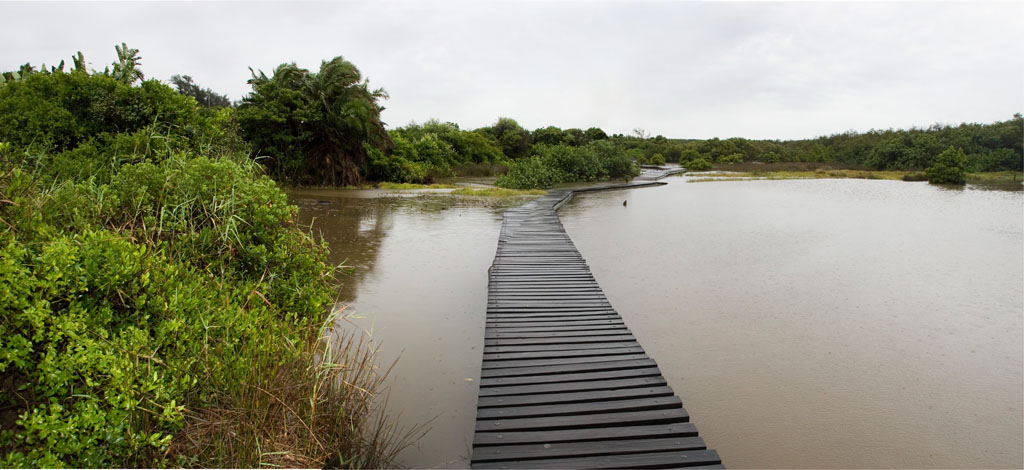
- Boardwalk Pano
-
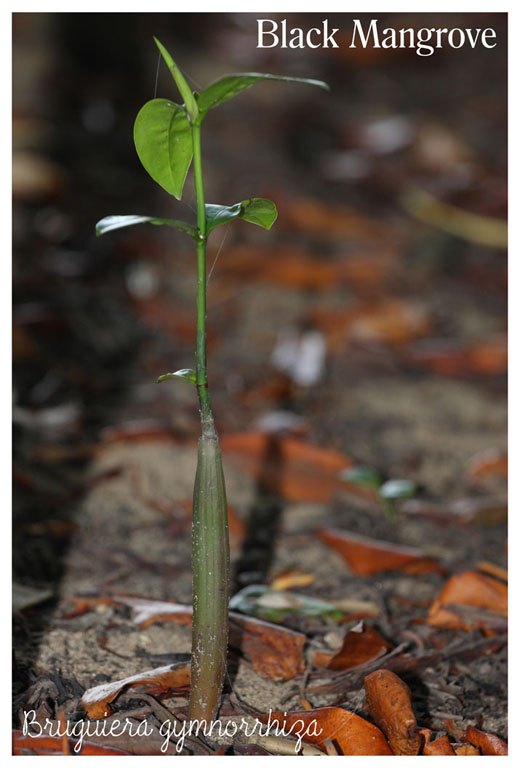
- Black Mangrove seedling
-

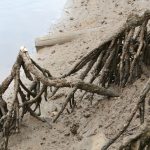
- Black Mangrove roots

-
- Black Mangrove roots

-
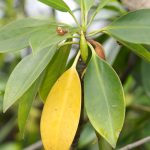
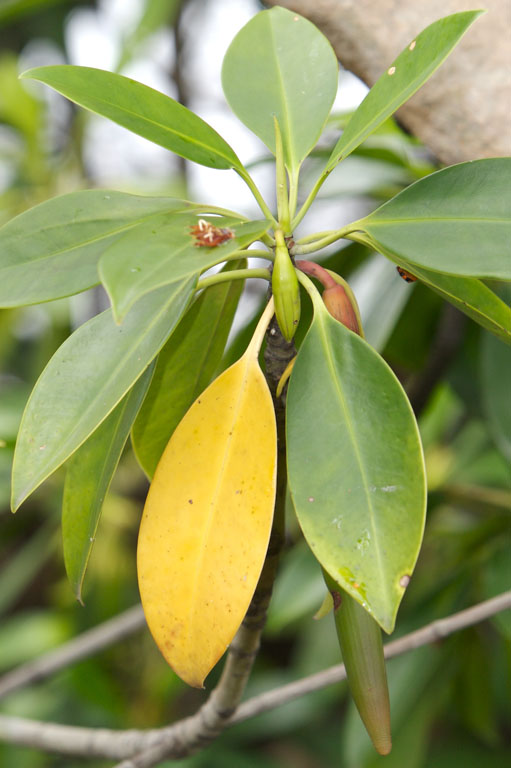
- Black Mangrove leaves
-

- Black Mangrove forest
-
- Black Mangrove forest
-

- Beachwood sunrise
-
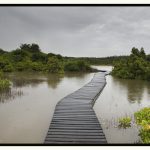
- Beachwood Spring Tide

-
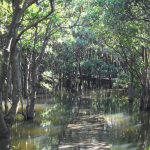
- Beachwood
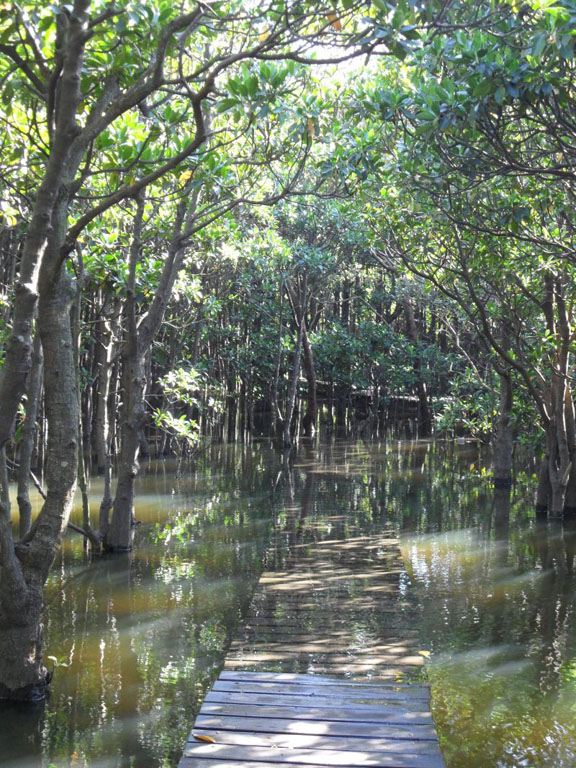
-
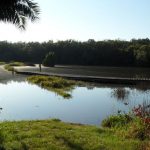
- Beachwood


-
- Black Mangrove leaves
-
- Red Mangrove seed
-

- Black Mangrove seed
-
- Red Mangrove seed


-
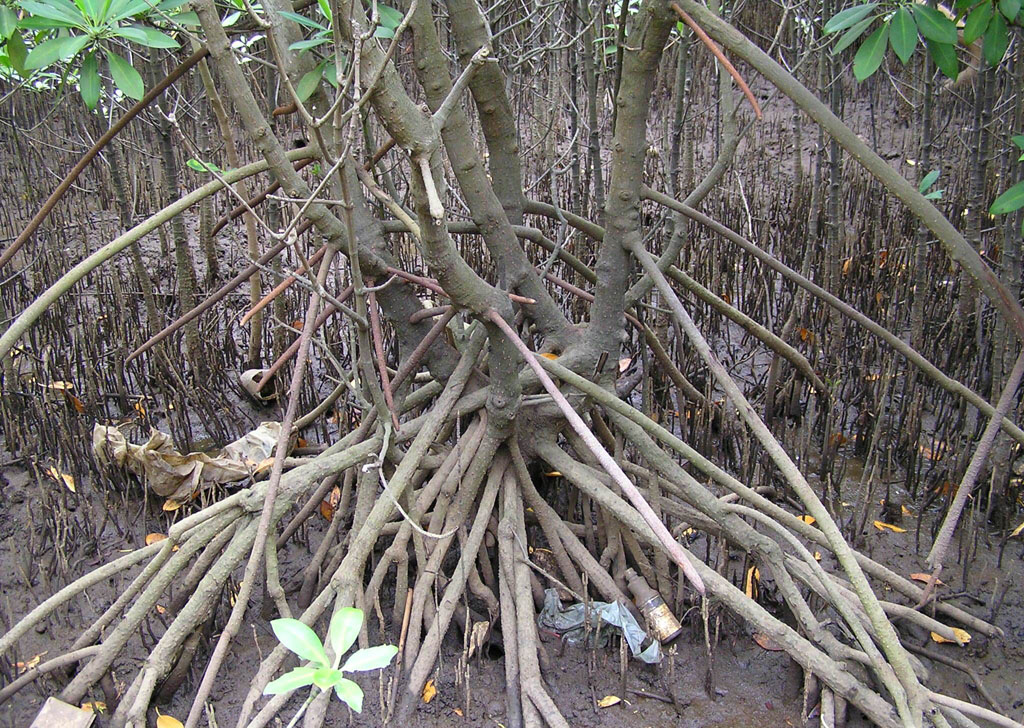
- Red Mangrove roots (littered)
-
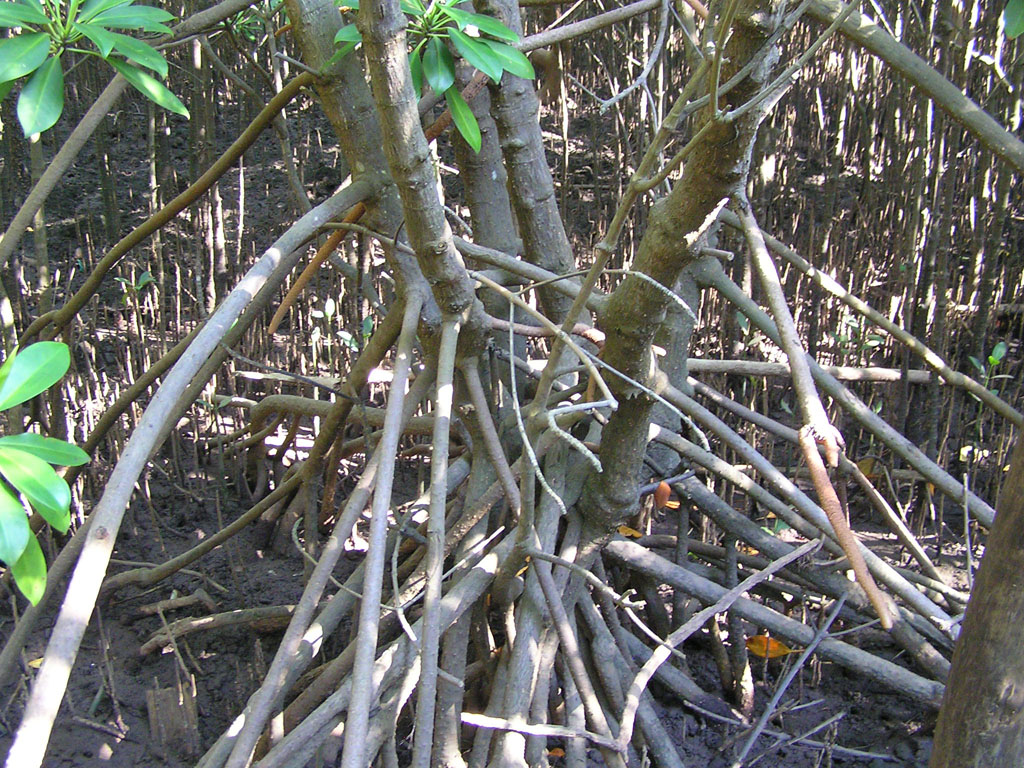
- Red Mangrove roots
-
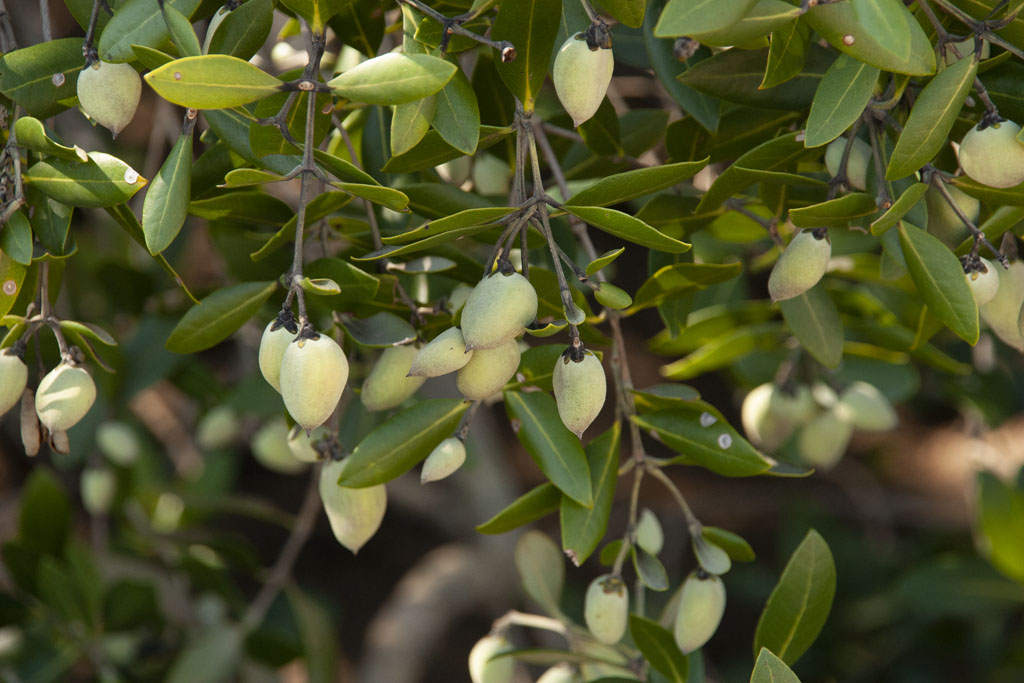
- White Mangrove seed
-

- White Mangrove roots

-
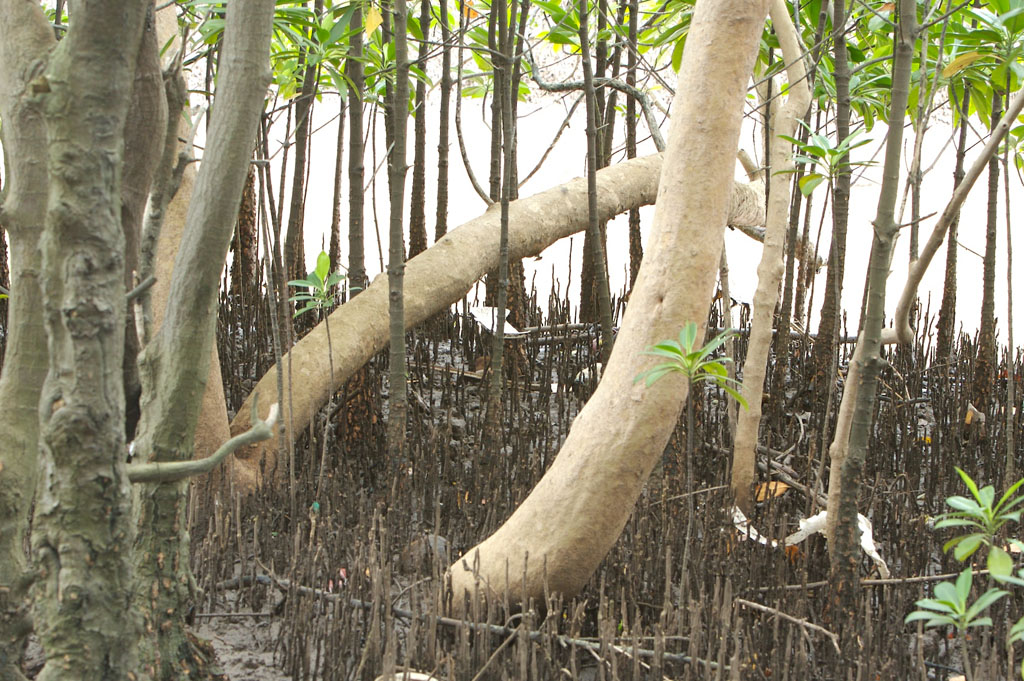
- White Mangrove roots
-
- Black Mangrove Seed
-
- Black Mangrove Trees











-
- White Mangrove Trees
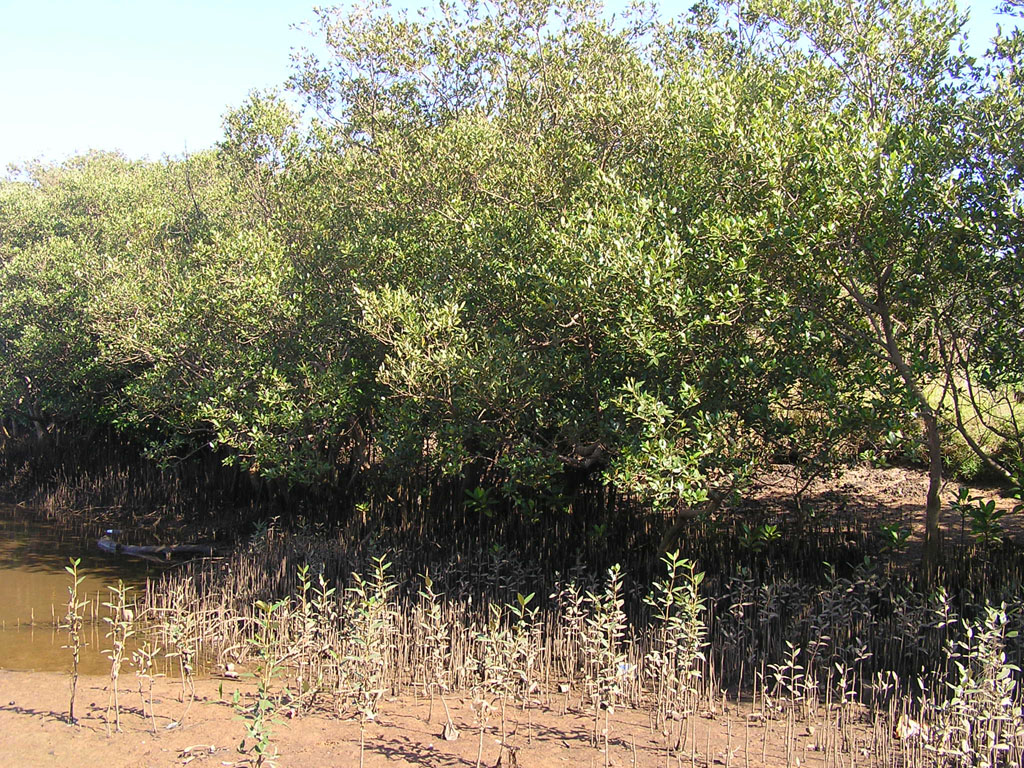
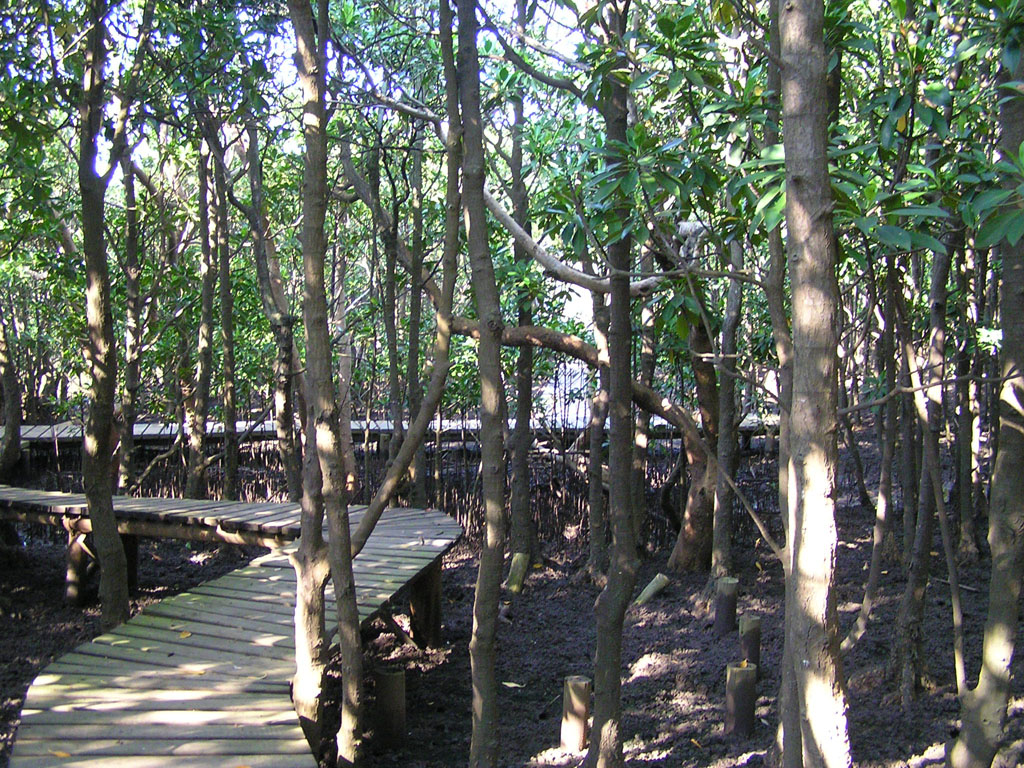
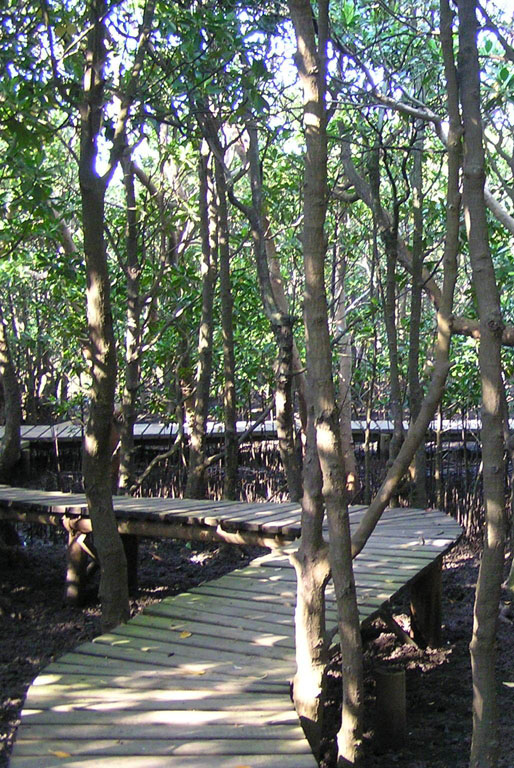
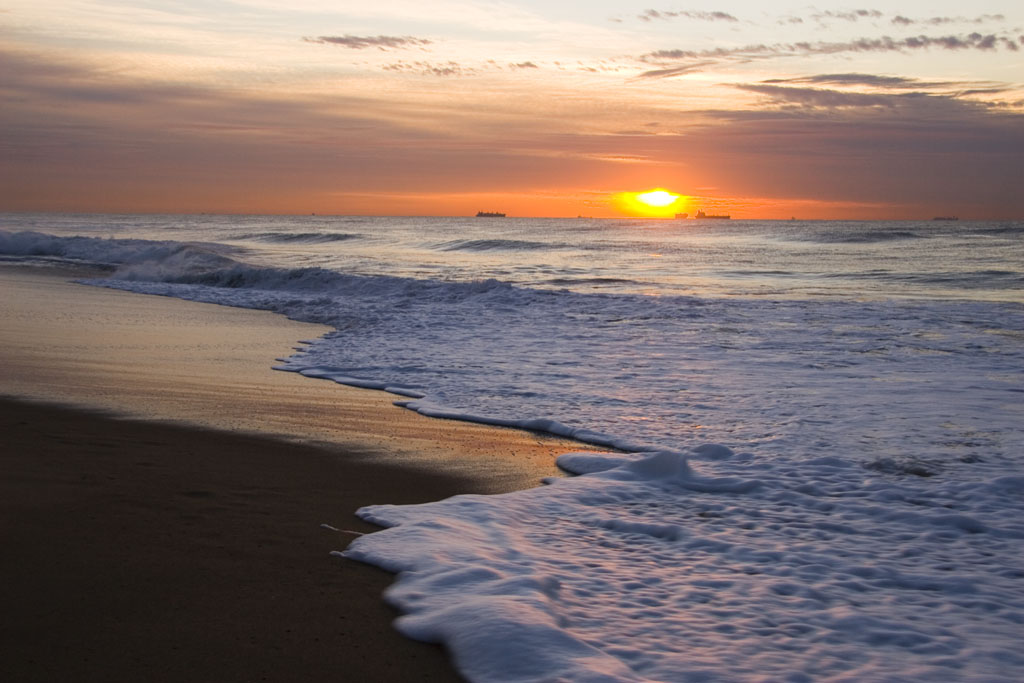
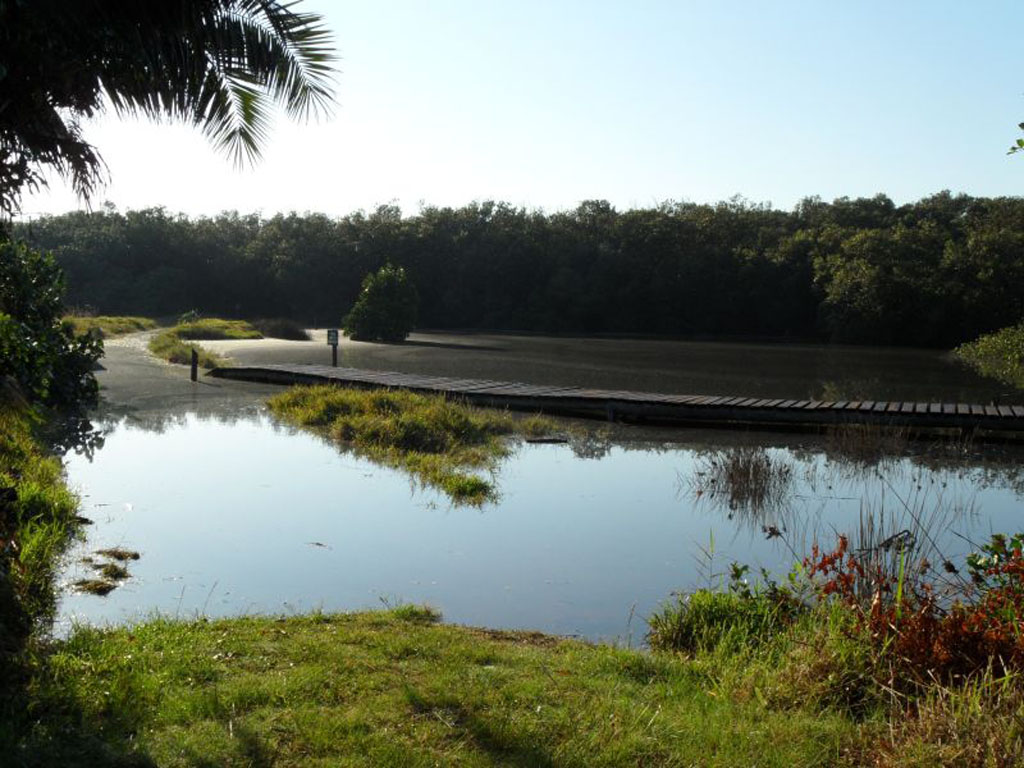
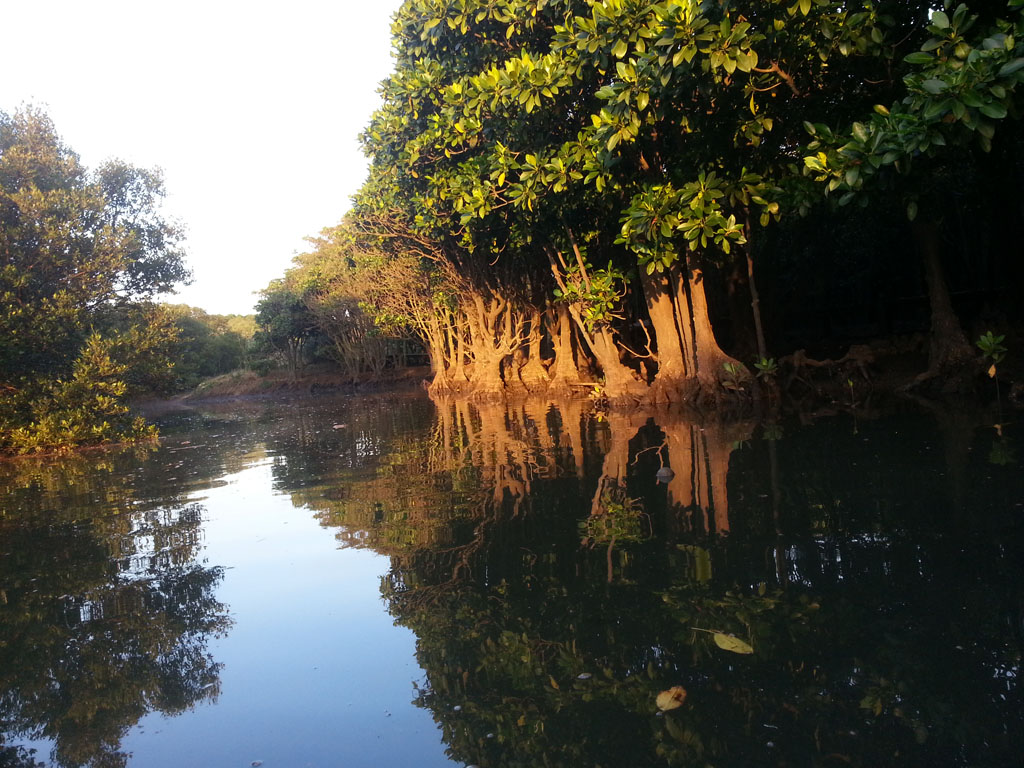
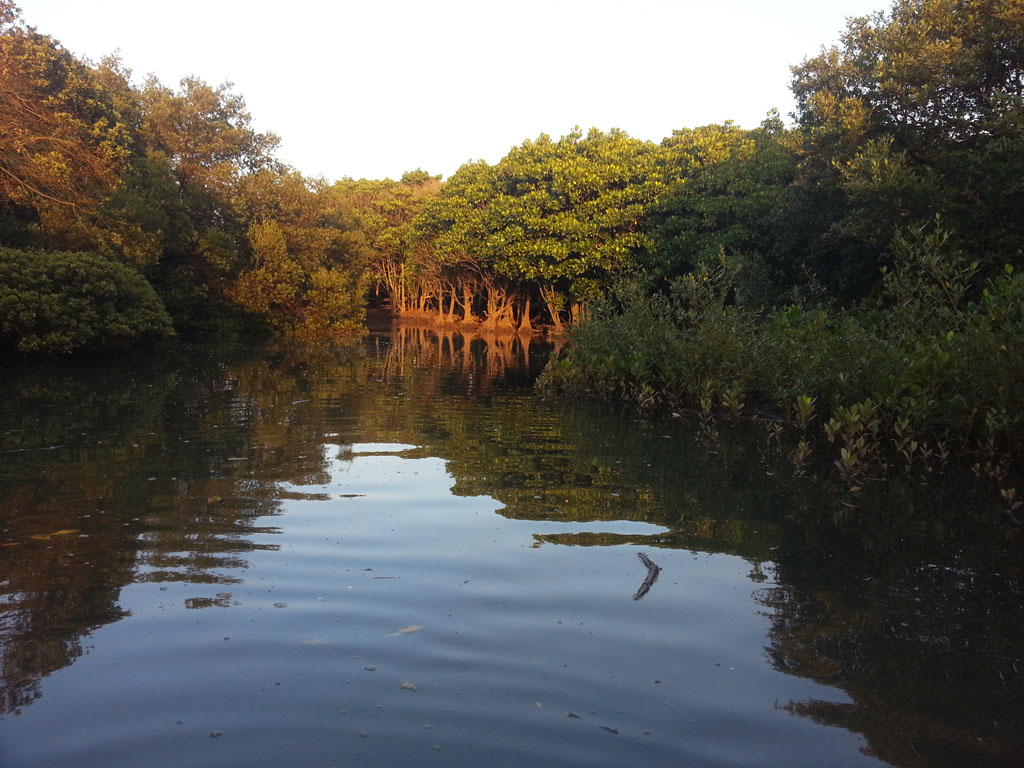
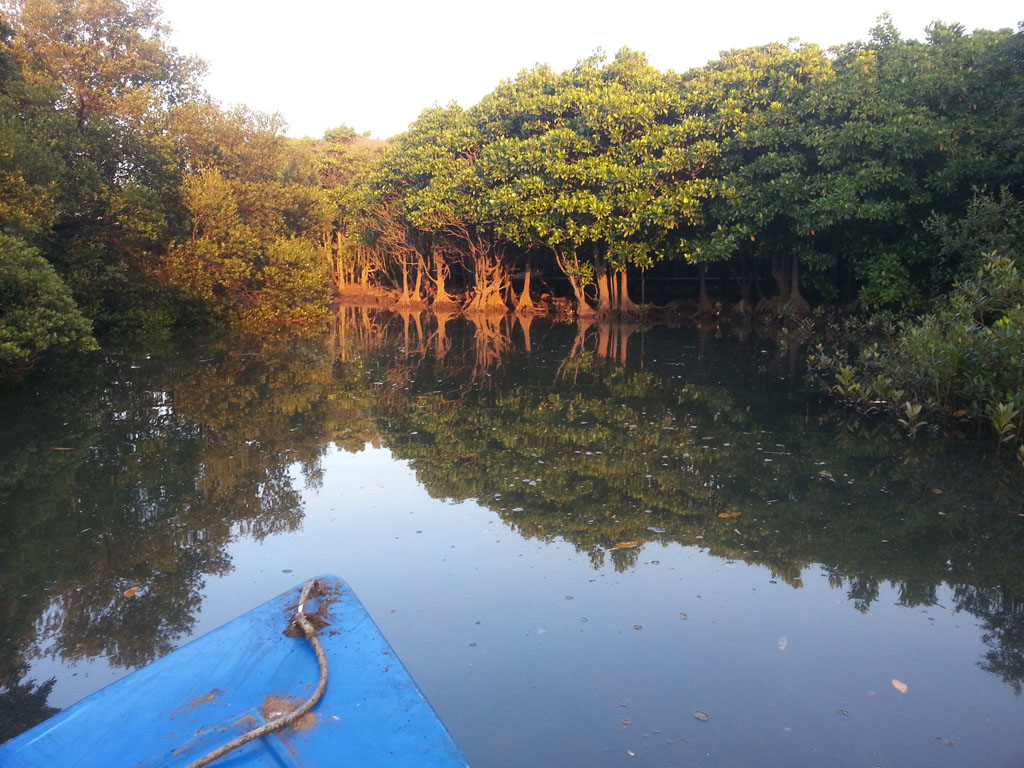
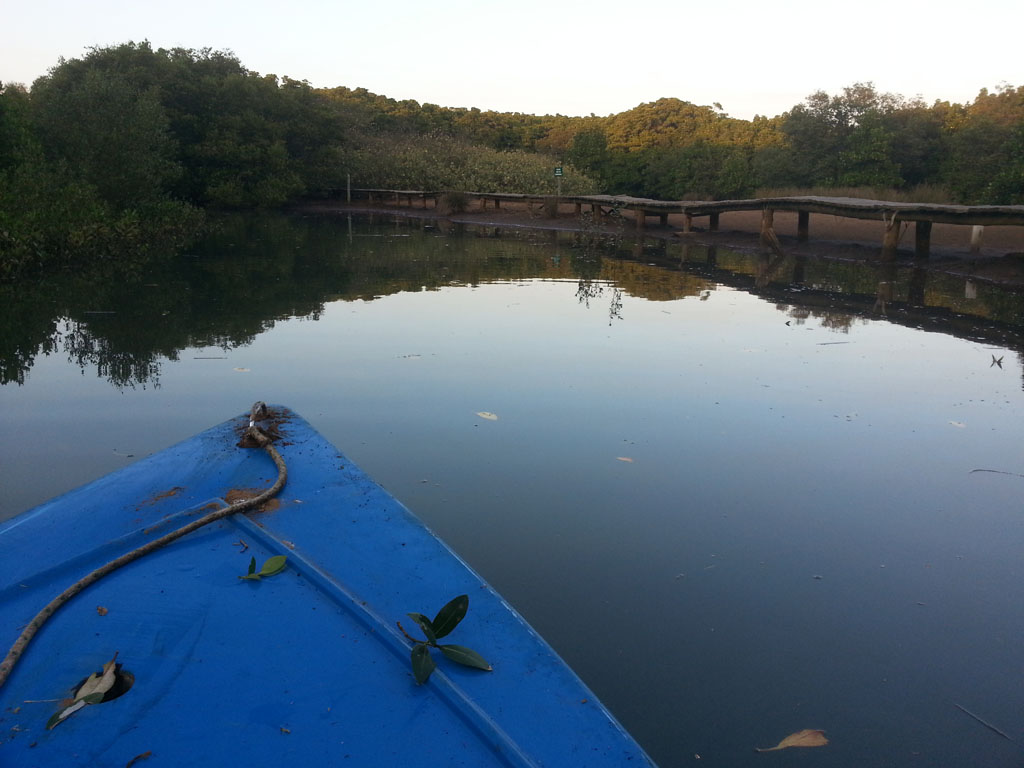
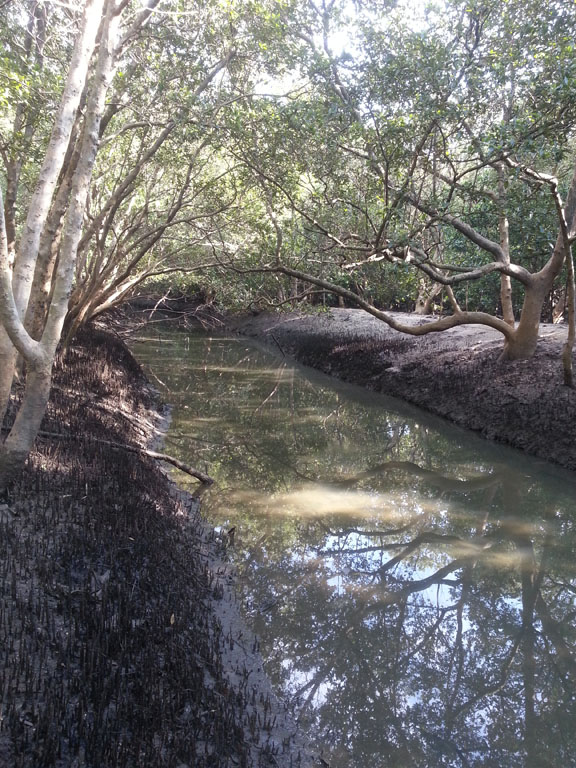
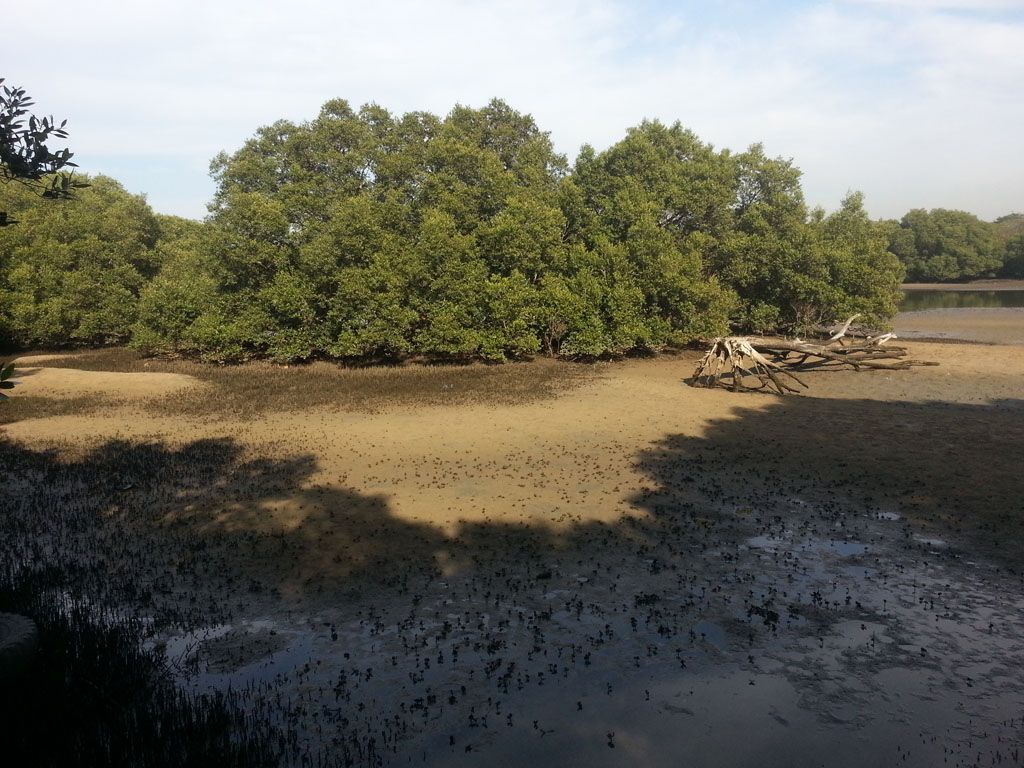
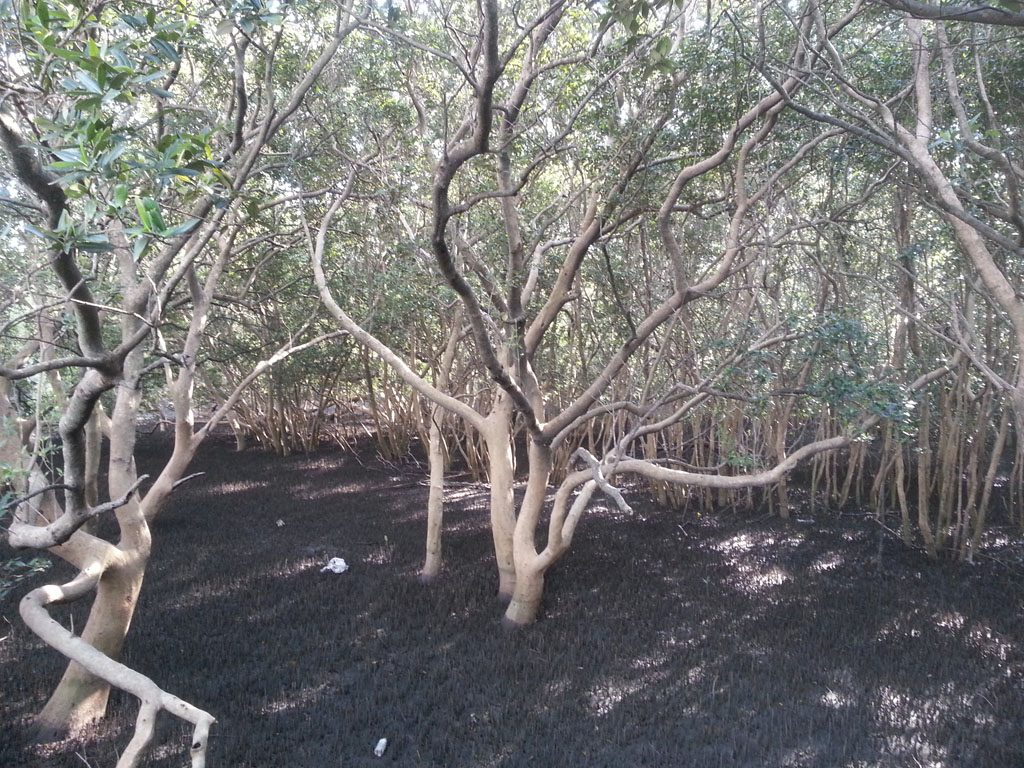
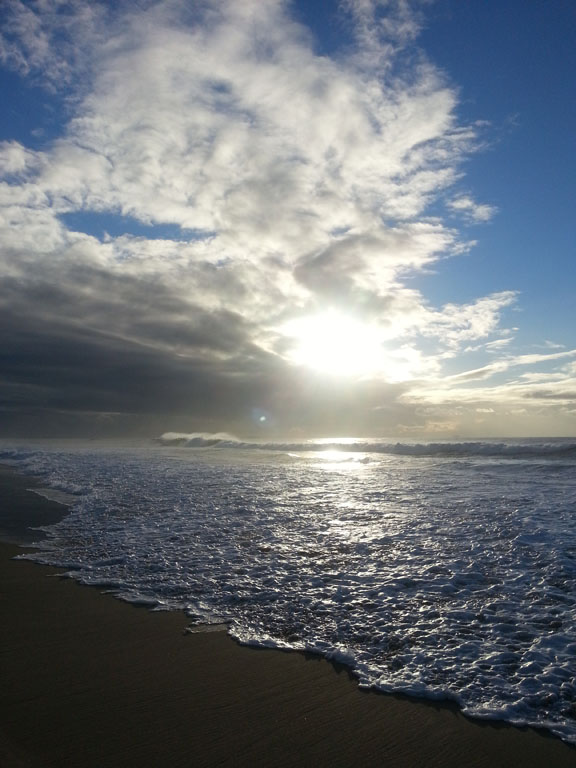
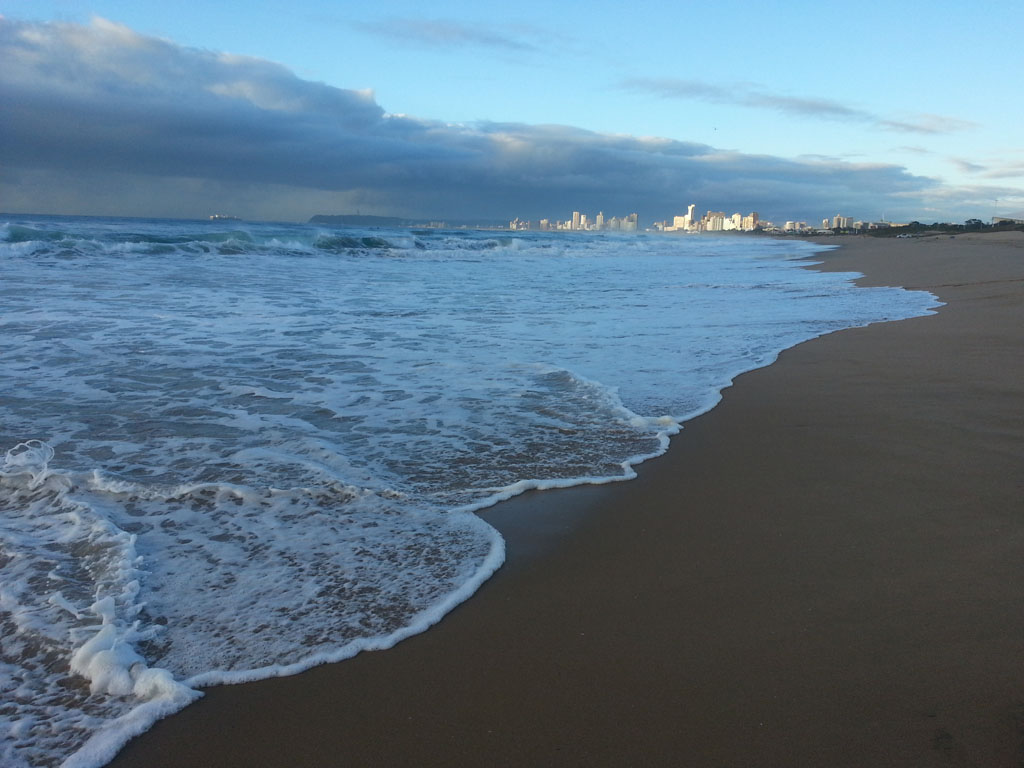
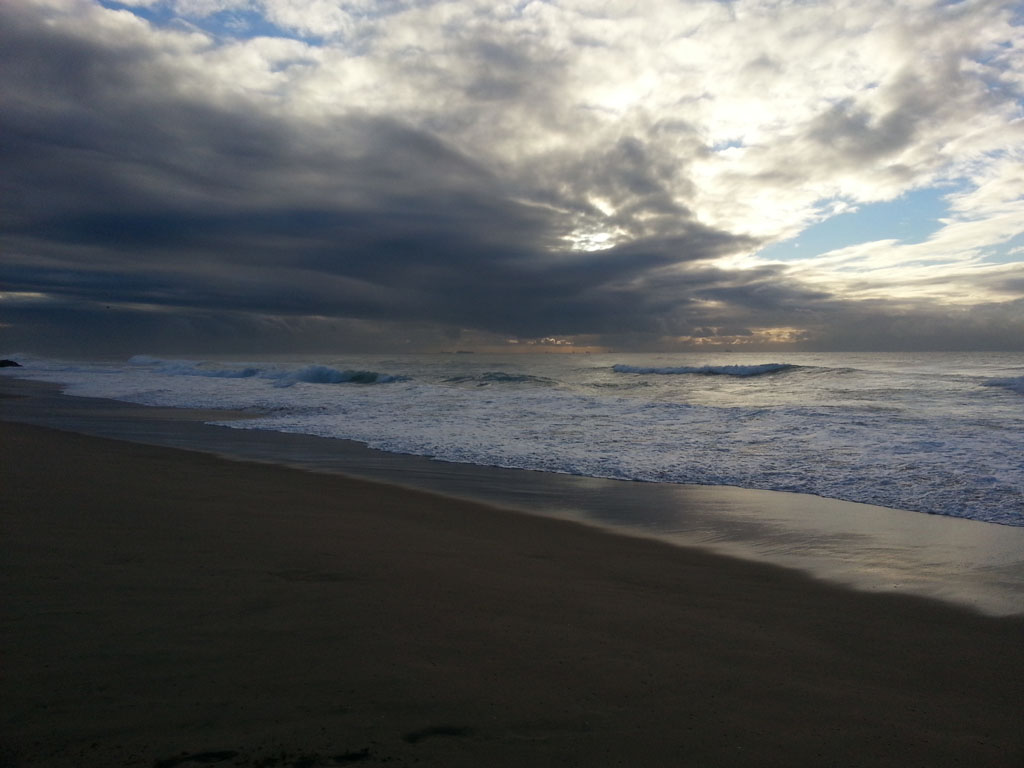
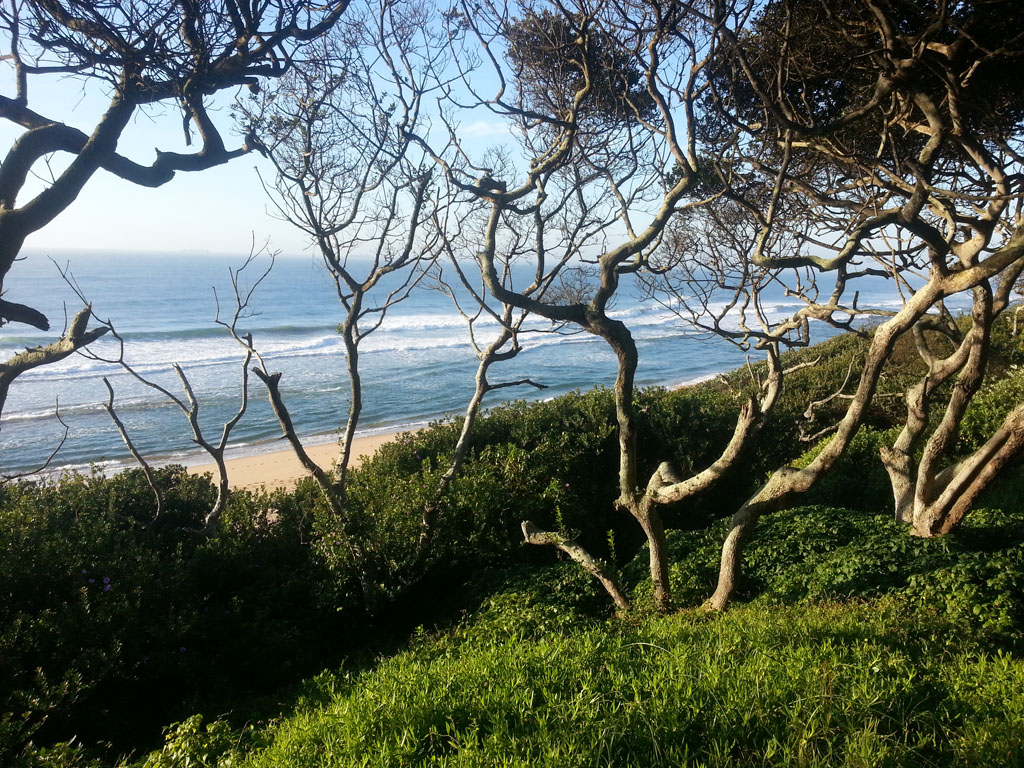
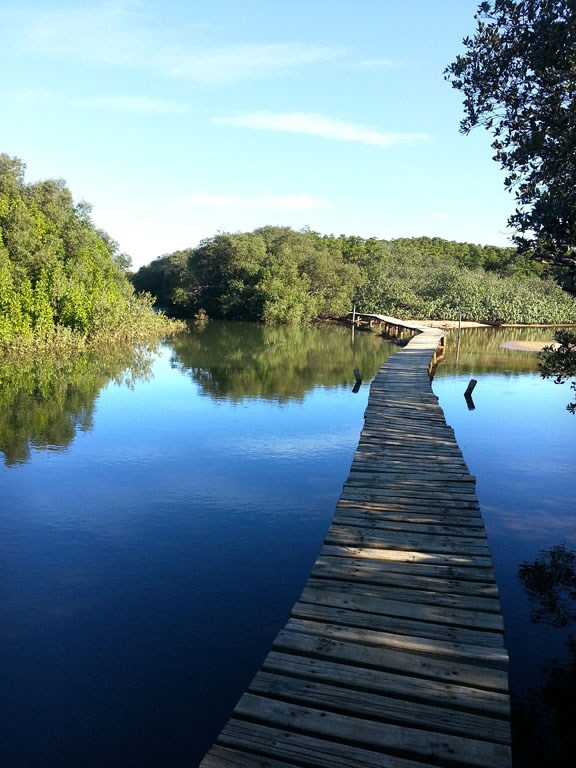
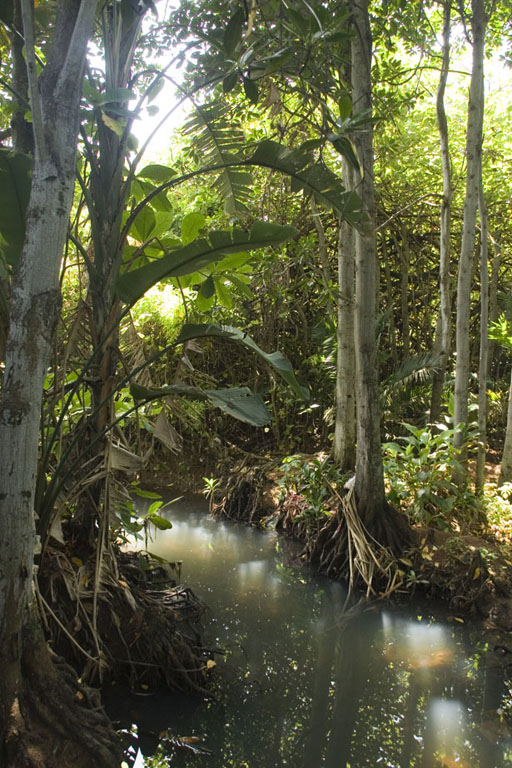
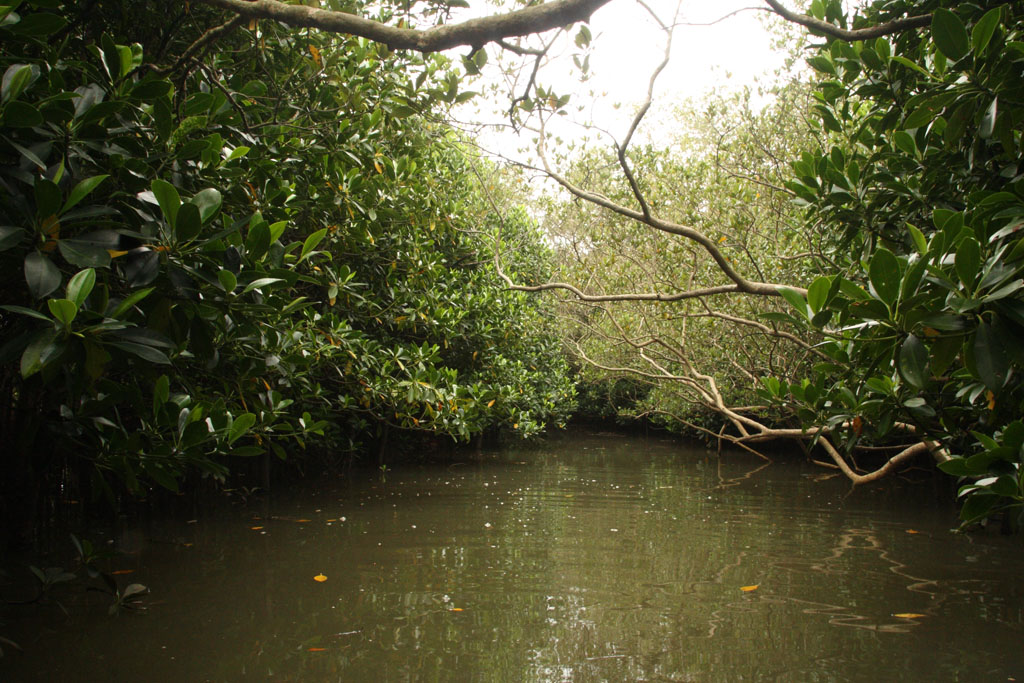
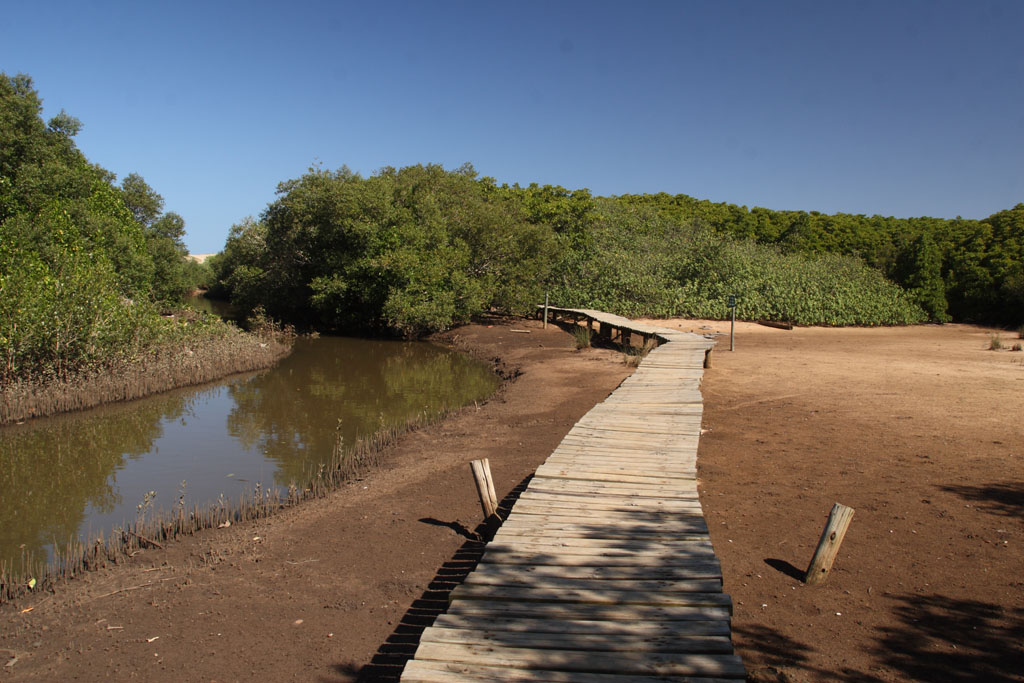
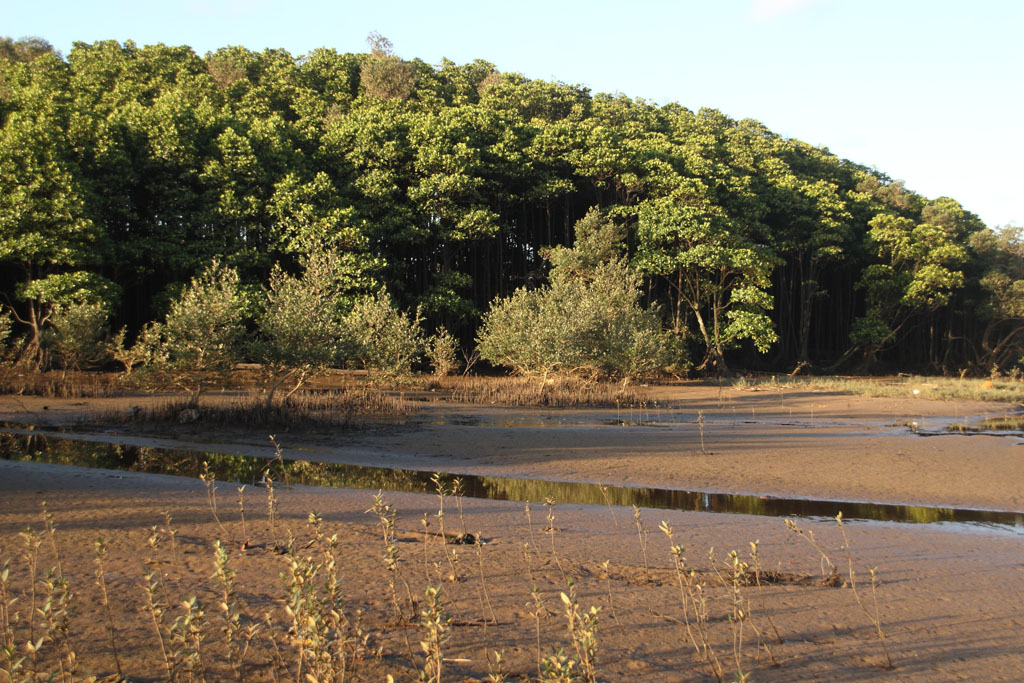
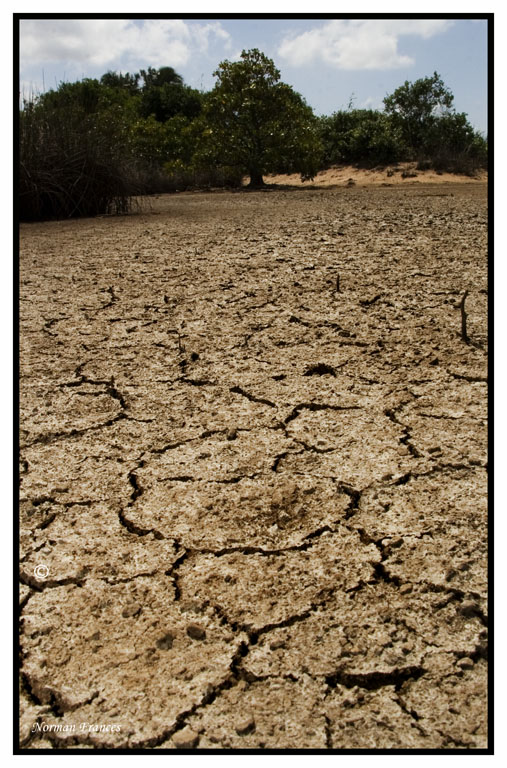
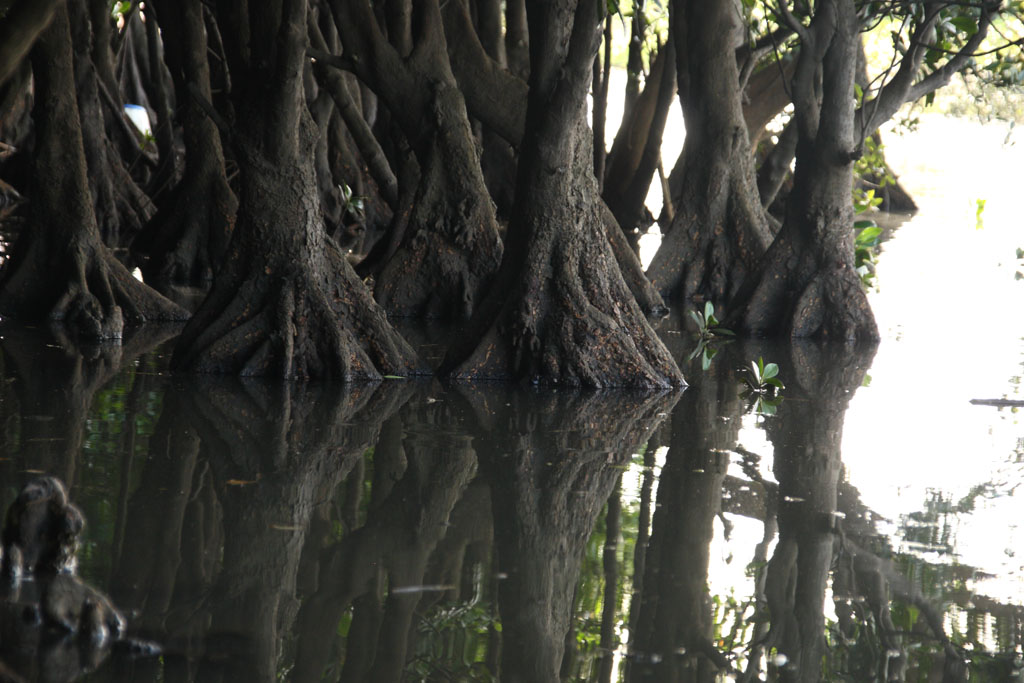
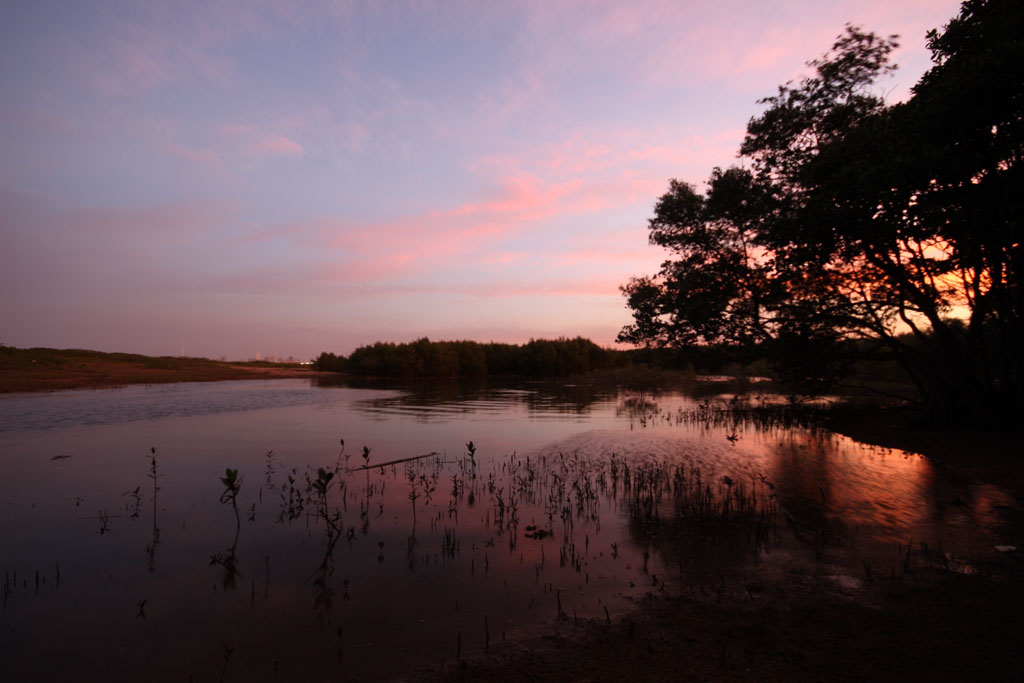
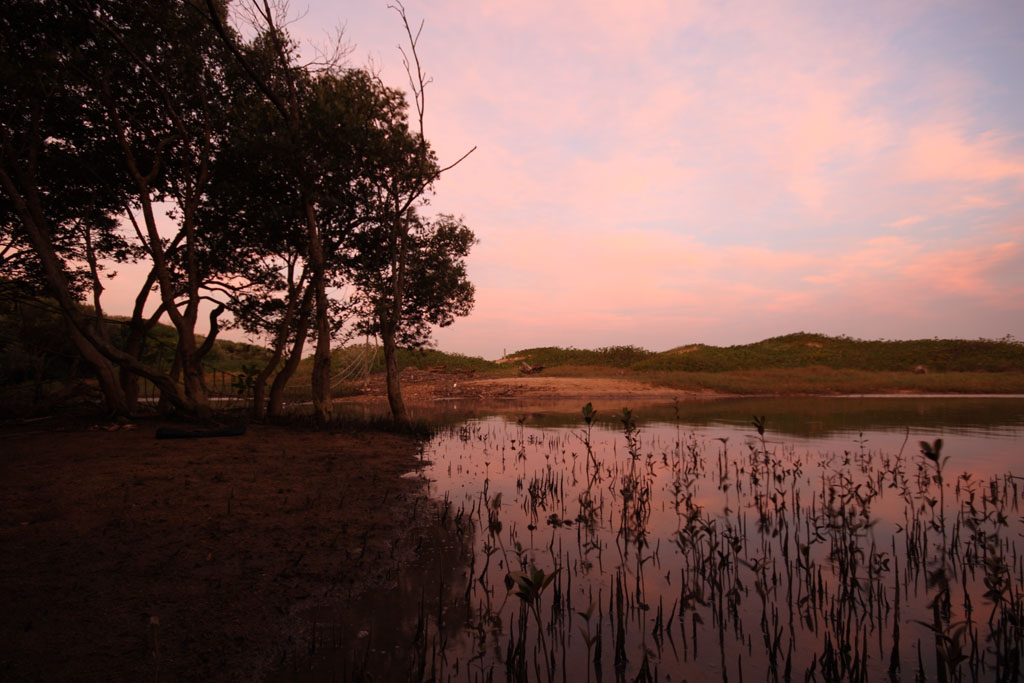
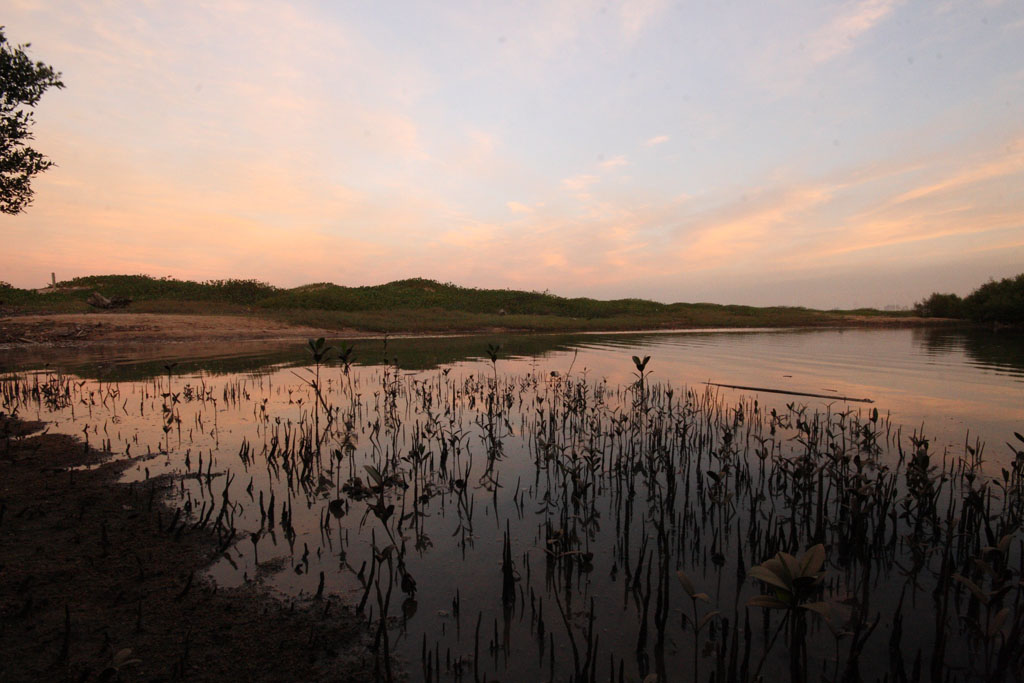
A sampling of some of the breath-taking views in and around Beachwood Mangroves.
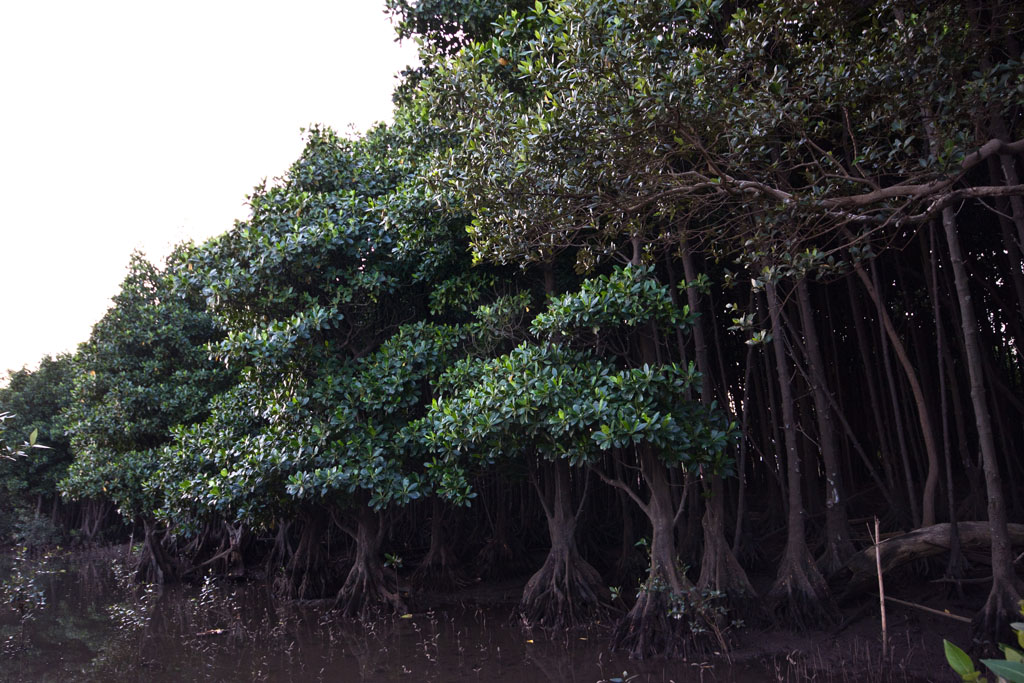
Initially it’s rather difficult to distinguish one tree from another, and not until one takes the boardwalk in amongst the mangroves does one start to see the differences.
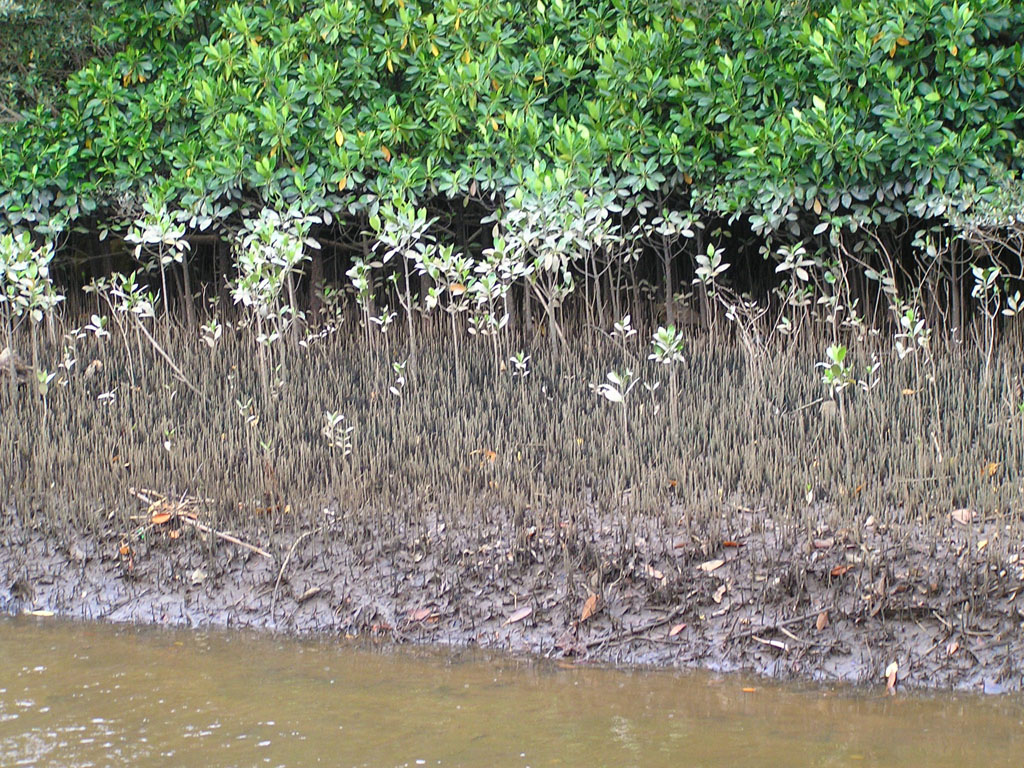
White mangroves are recognisable because of their myriad cable roots that grow sticking up out of the mud like little pencils so that the tree can find extra oxygen. Their incredible root systems mean that they can withstand rough seas and bad weather. They supply shelter and shade for the black mangrove trees.
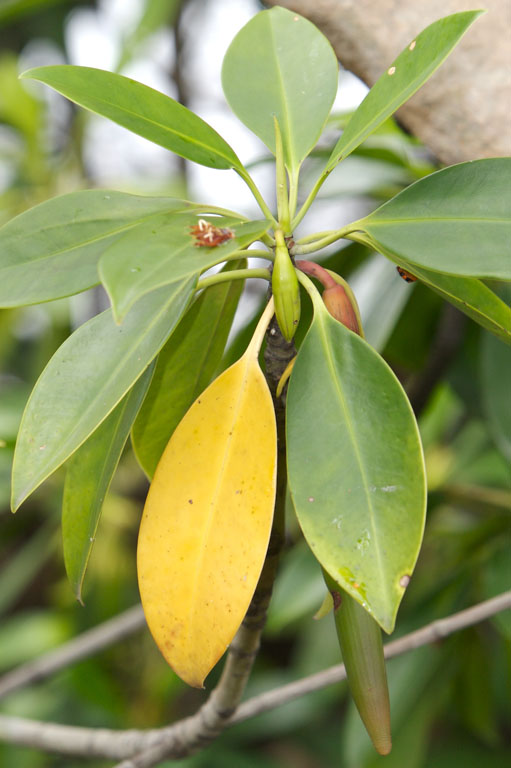
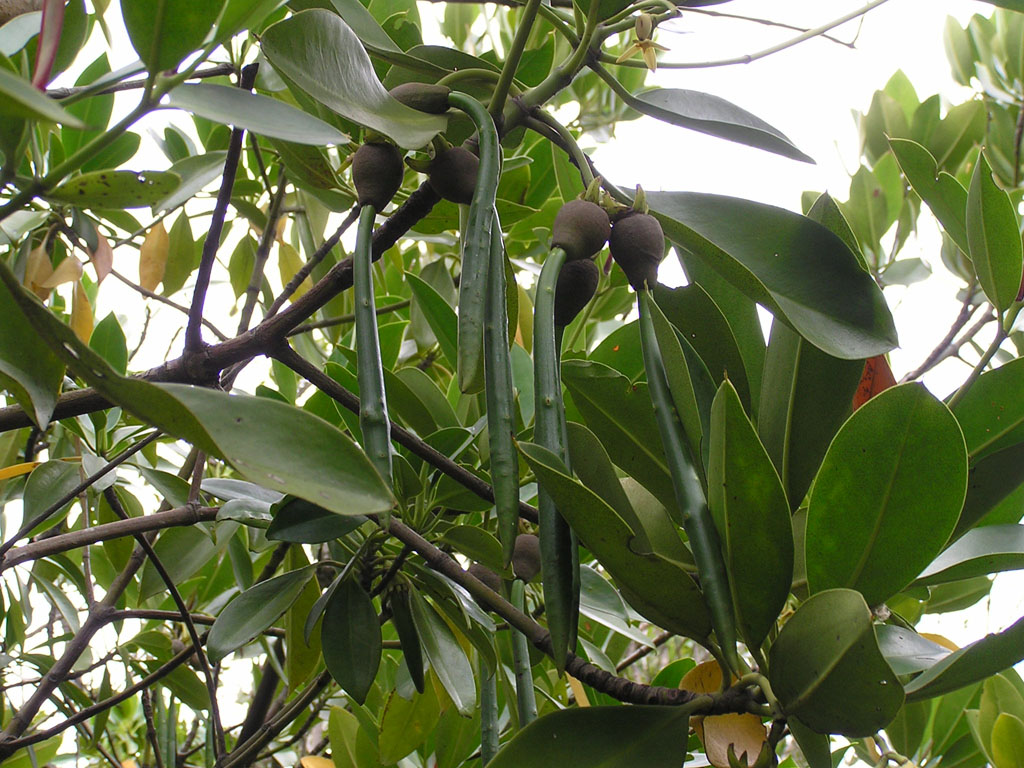
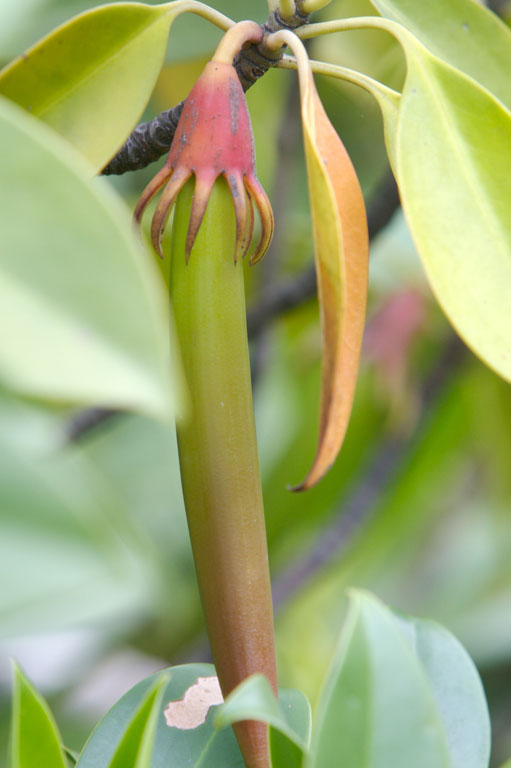
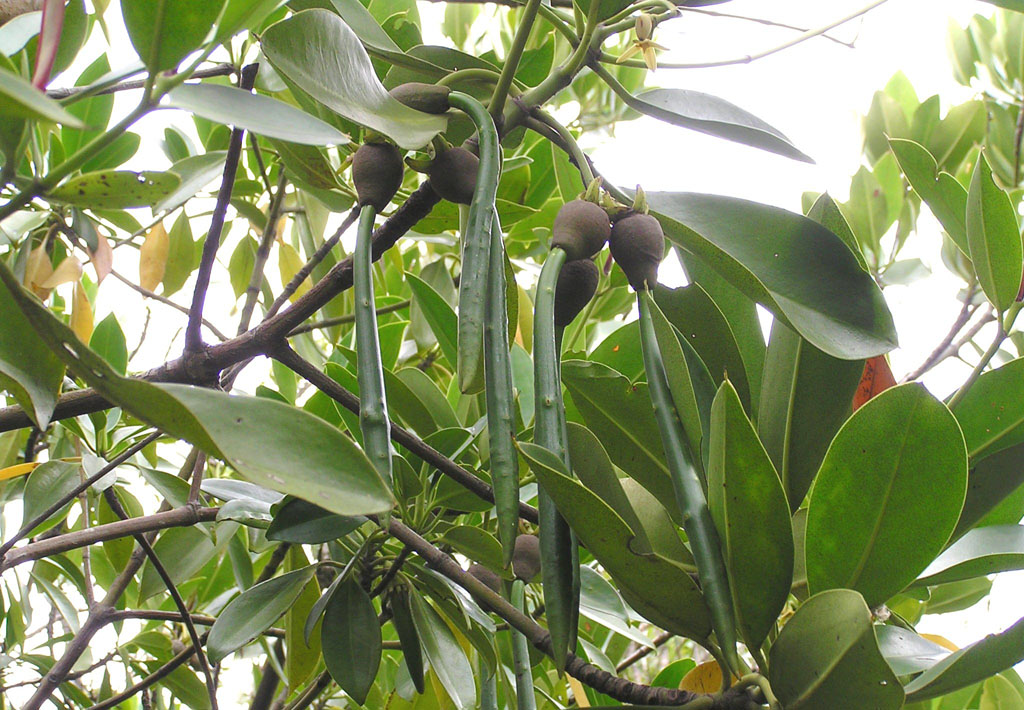
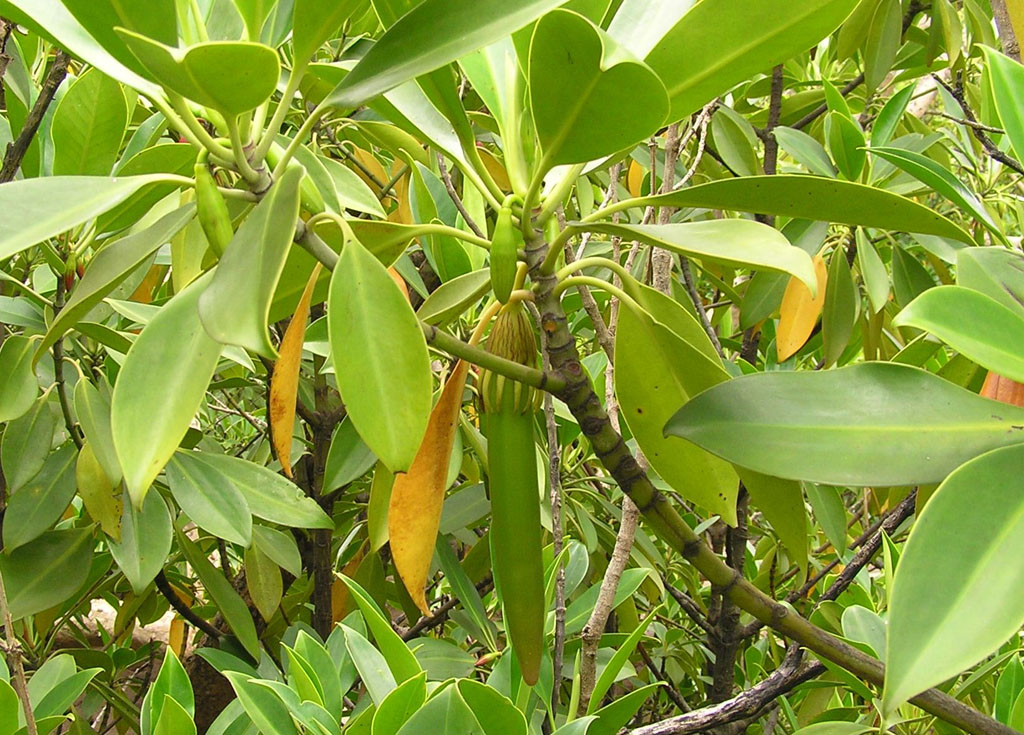
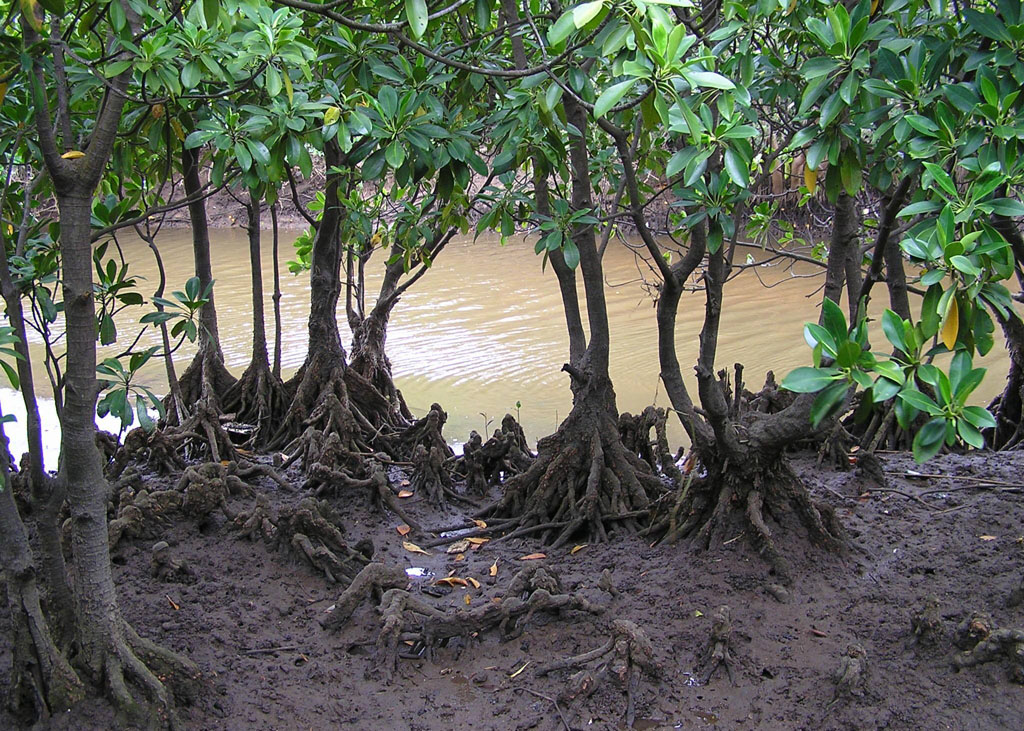
Where the white mangroves are pioneer trees, the black mangroves move in once the white mangrove has colonised an area. They also have little aerial roots that stick out of the soil but they look more like knuckles. They exit the mud, do a sharp right turn, and then re-enter it again. Their bark is also slightly darker and rougher than the white mangrove. What makes them interesting is the way they filter the salt in the water. These trees send most of the salt to one leaf in every bunch. It turns yellow and falls from the tree. Their cigar-shaped seed pods are easily recognisable, particularly when they fall, sticking out of the soil.
The Red mangrove root system is unique. They start quite far up the trunk, and then bow out, almost like stilts that form a mass of roots at the tree base. Their barks are also more red than the black or white mangrove.
Did You Know? The three mangroves at Beachwood each play a distinct role in the mangrove ecosystem. Together they protect land masses against extreme weather (especially hurricanes and tropical storms), stabilise the shoreline and provide a living, breeding and feeding habitat for birds, fish and other creatures.