
Dwarf chameleons

Frogs
Jul 25, 2019
Mammals
Jul 25, 2019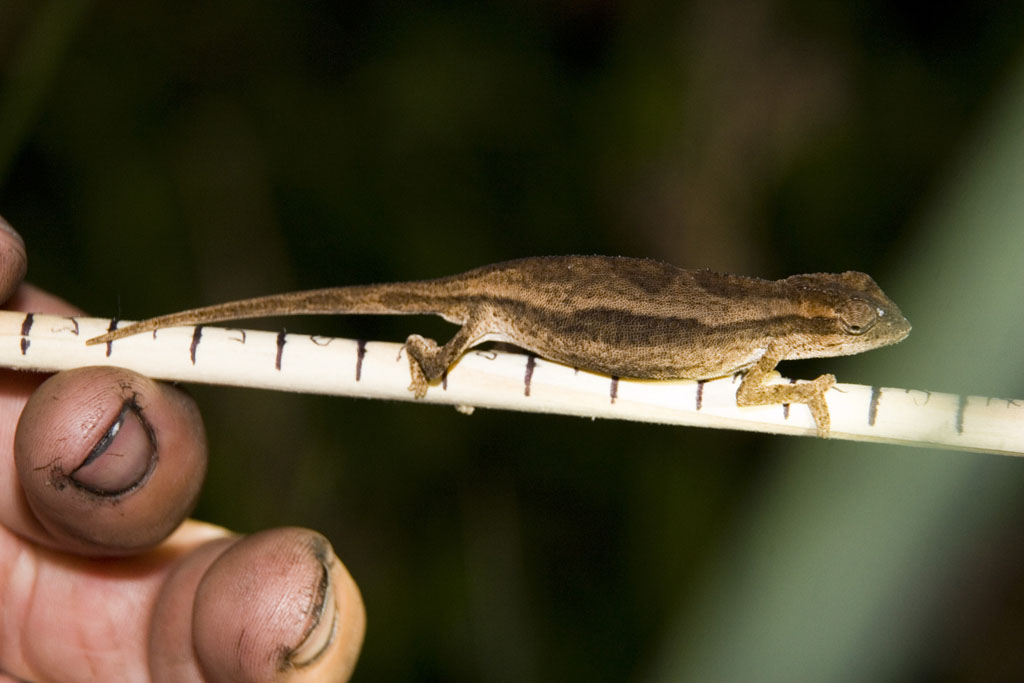
-

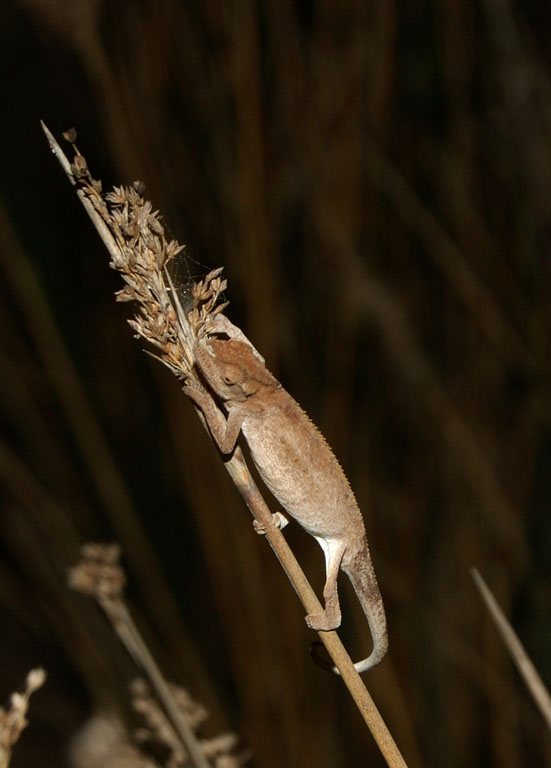
- Can you see?

-

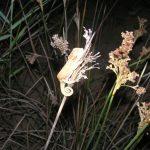
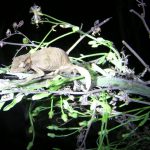
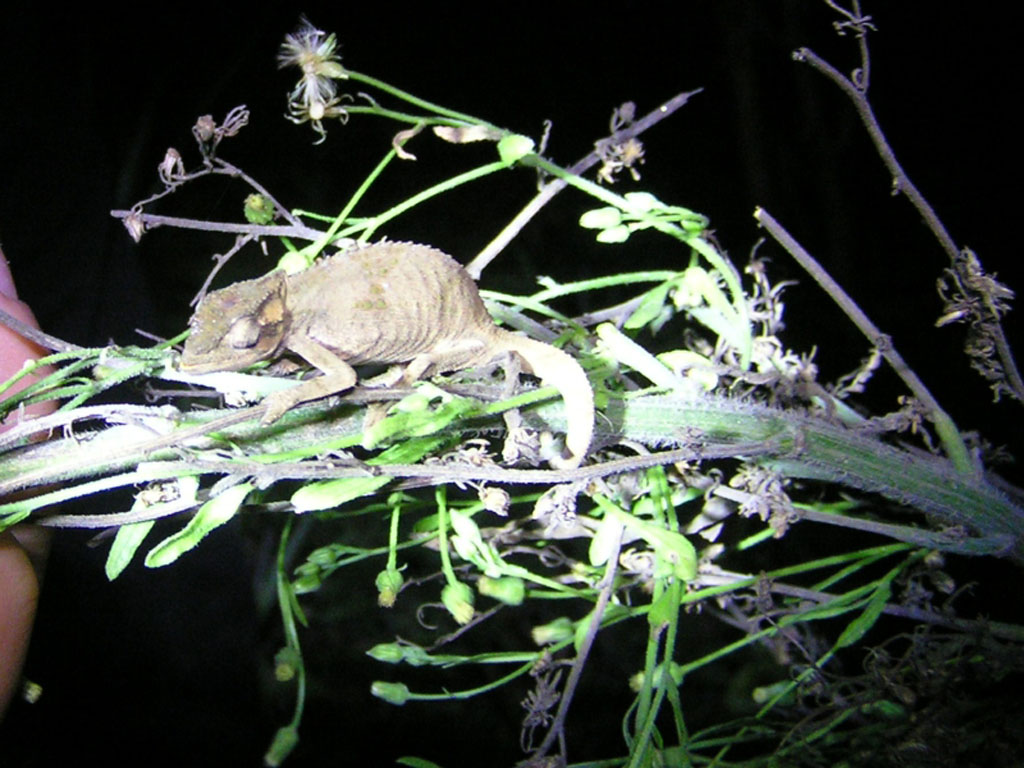
- Easier with a torch

-

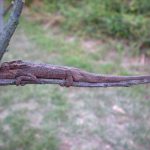
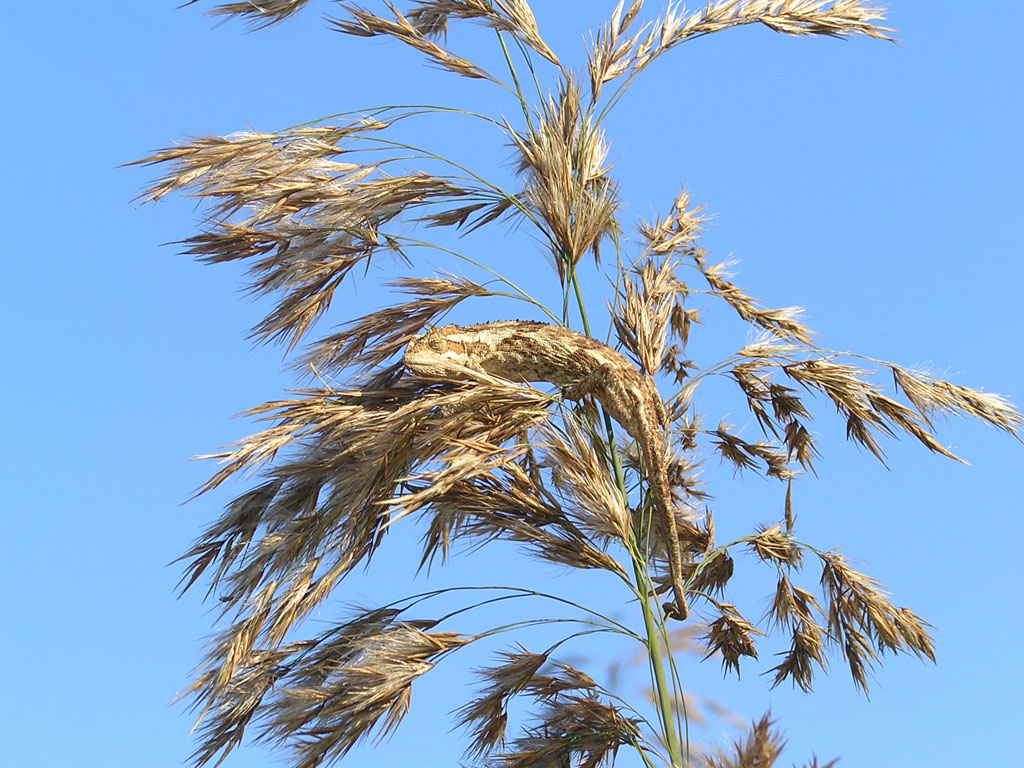
- Blending in
-

- Shedding skin as they grow

-
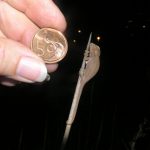
- the babies are real miniatures

-

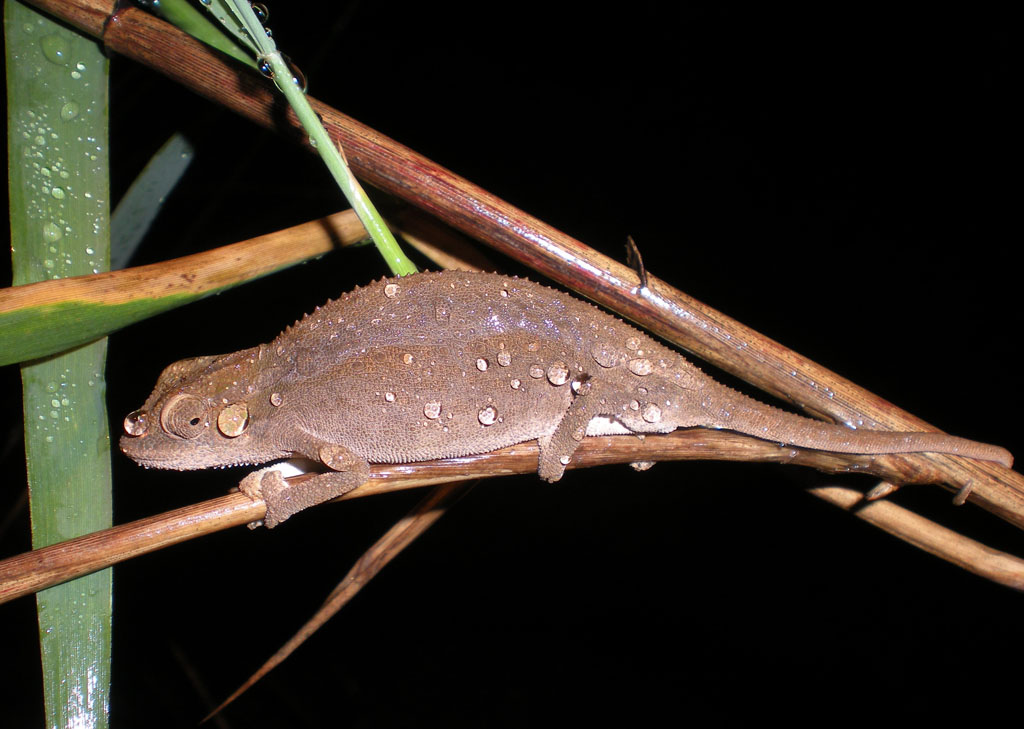
- Happy in the rain
-
- OLYMPUS DIGITAL CAMERA
-
- OLYMPUS DIGITAL CAMERA

-
- OLYMPUS DIGITAL CAMERA
-
- OLYMPUS DIGITAL CAMERA
-
- OLYMPUS DIGITAL CAMERA
-
- OLYMPUS DIGITAL CAMERA
-

- OLYMPUS DIGITAL CAMERA


-

- OLYMPUS DIGITAL CAMERA

-

- OLYMPUS DIGITAL CAMERA

-
- 2010, March

-
- 2010, April

-
- 2010, May
-
- 2010, June

-

- Sky High
-

- OLYMPUS DIGITAL CAMERA
-

- OLYMPUS DIGITAL CAMERA
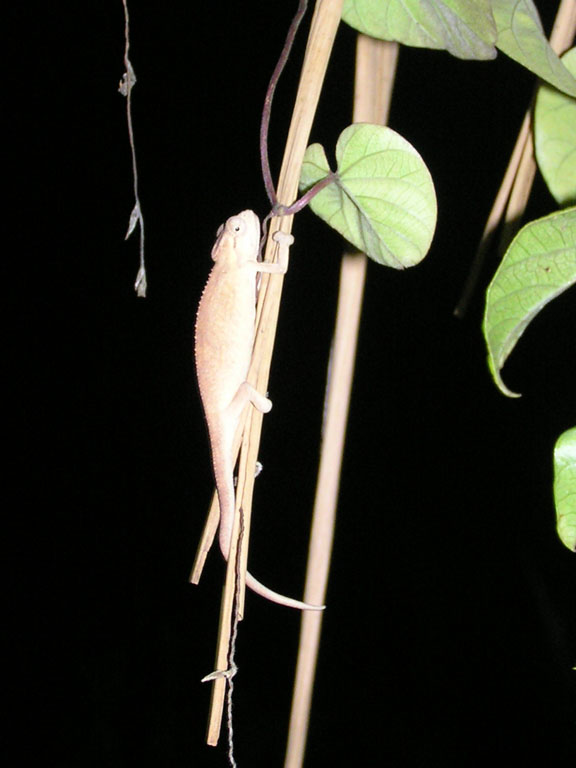
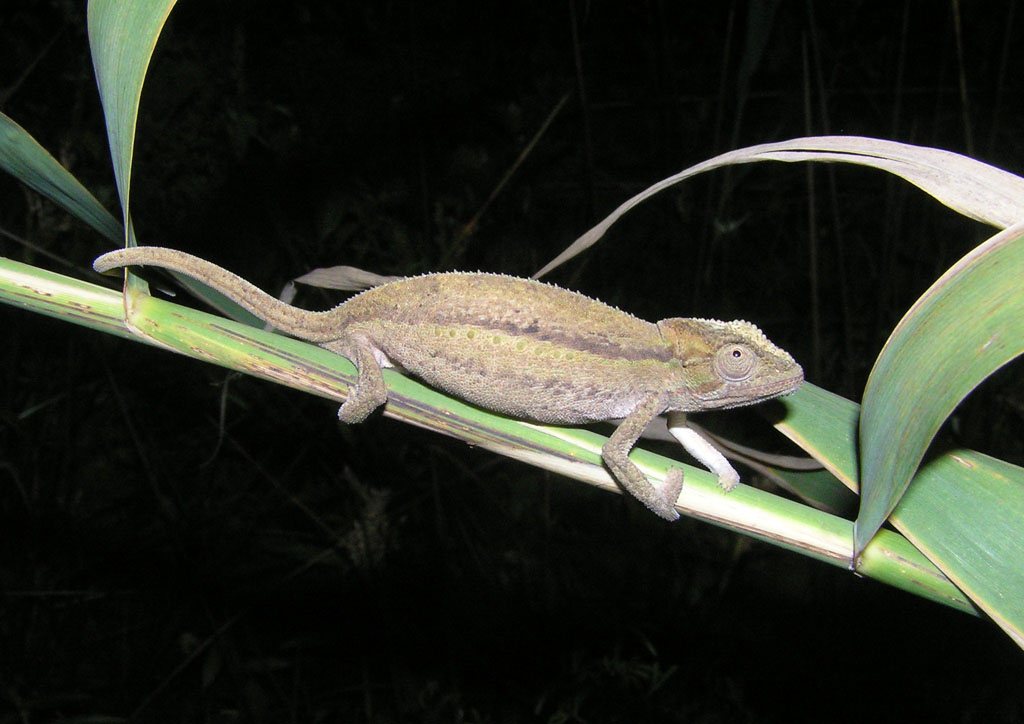
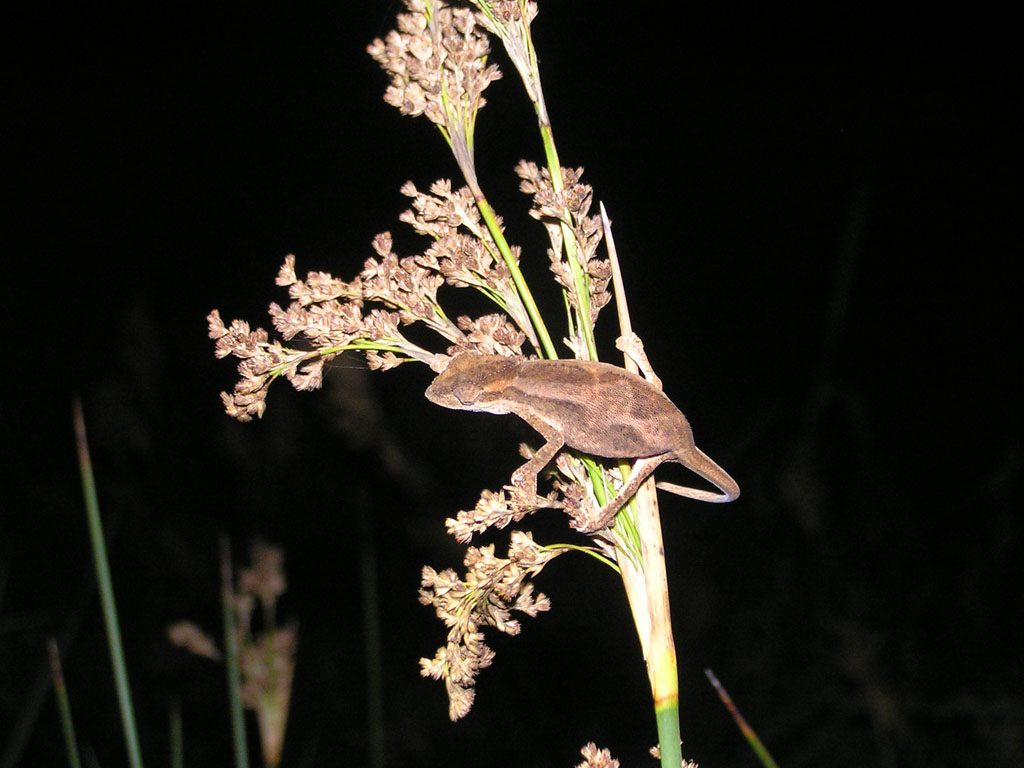
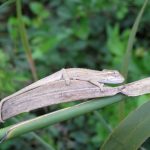
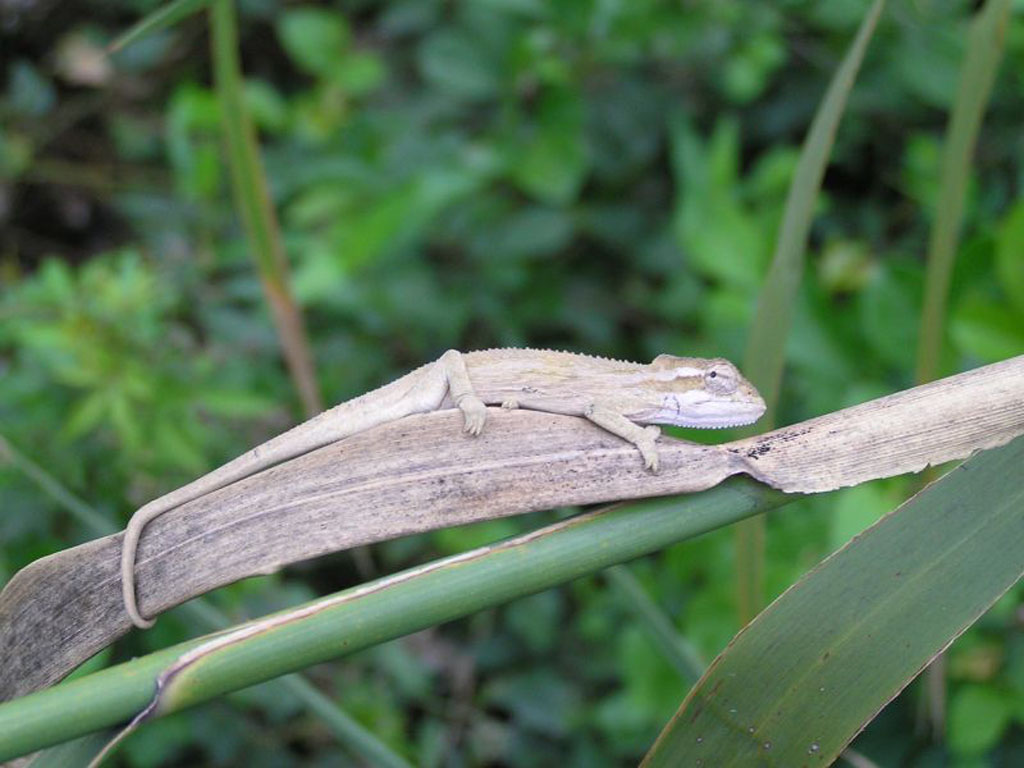
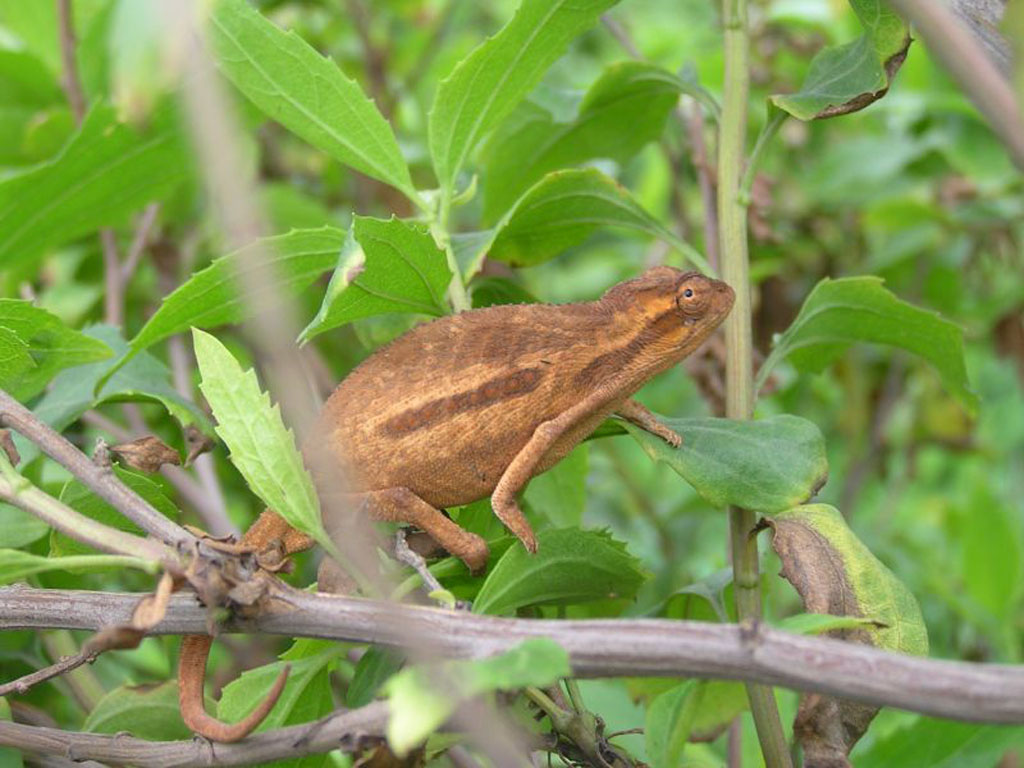
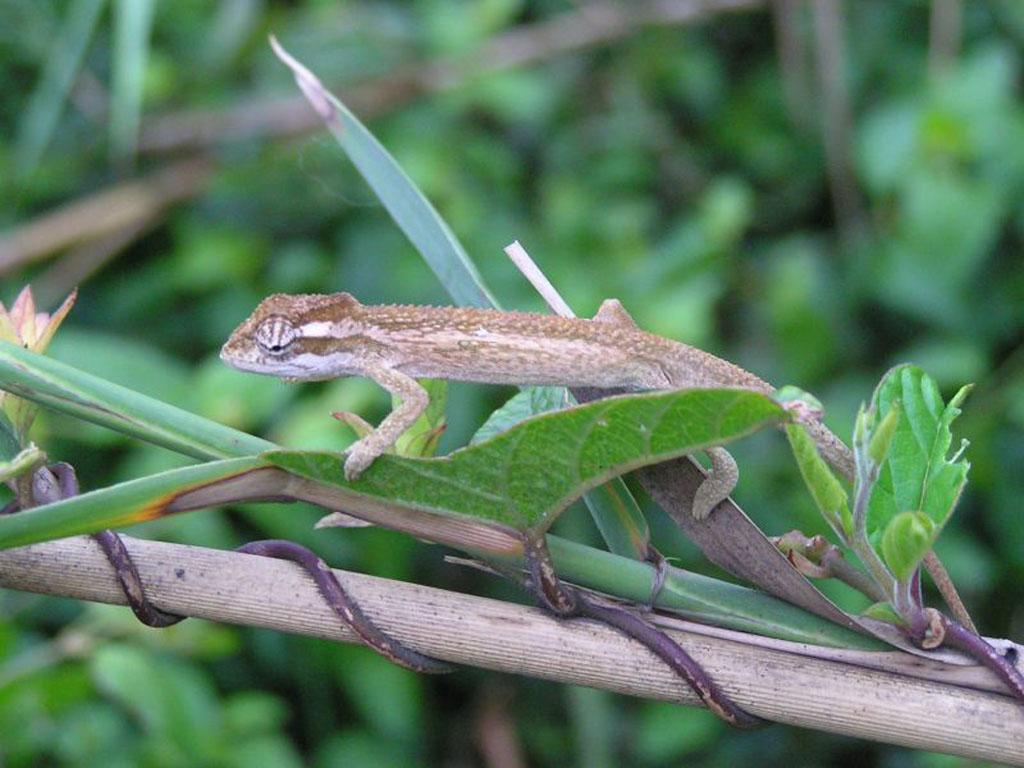
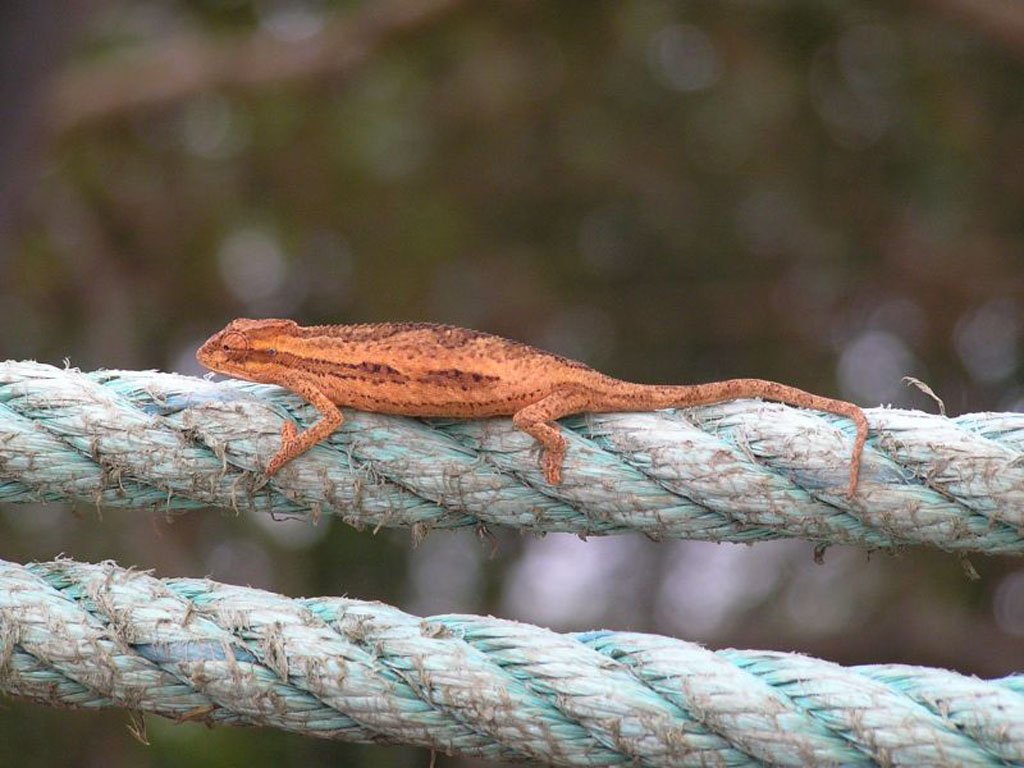
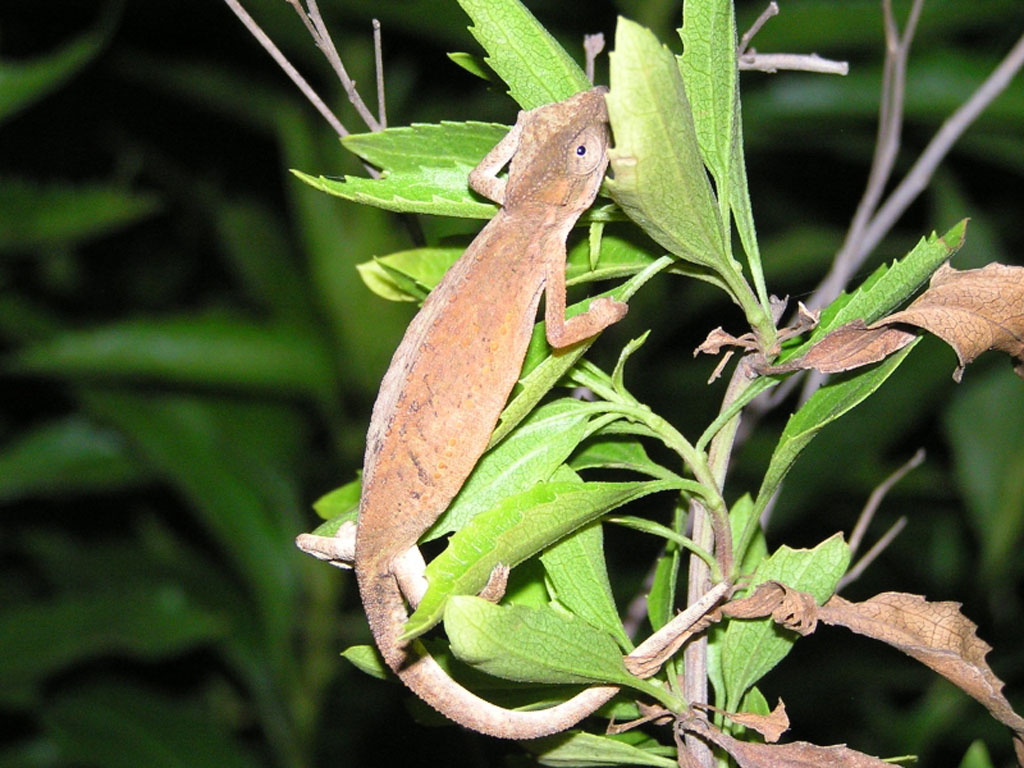
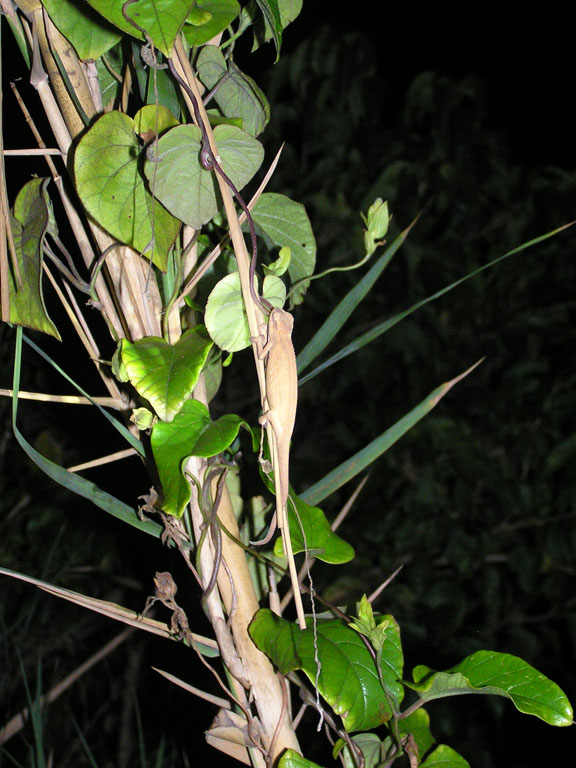
Most chameleons lay eggs as they are from the reptile family. The Dwarf Chameleon gives birth to live young! Presenting a comical picture being so small and having such a large stomach prior to the event, the female gives birth about 4 times a year while resting on her perch. Numbers of this chameleon have declined significantly over the past 30 years and it has become a threatened species due to the loss of its natural habitat to human advancement. Not long after the discovery of the Tangoman Crabs, the North Durban Honorary Officers saw and recorded the first KZN Dwarf Chameleon at the Mangroves in April 2009. Ezemvelo KZN Wildlife were (and still are) studying these little cham-leons. "The unusual thing about these chameleons is that they're found in little pockets all over KZN," explained Linda Swemmer, one of the researchers. Studies are being done by environmentalists at the University of Natal on the DNA of these chameleons to determine whether the different groups are related and whether it was one large group that split up. Since April 2009 about 45 individual sightings were recorded, five of which were baby chameleons no bigger than a five-cent piece. According to studies, the chameleon population needs at least 1000 chameleons to continue the line, any less and interbreeding occurs which weakens the species. "It's difficult to determine how many chameleons there are here," said Linda. "They're hard to see during the day because they're usually foraging closer to the ground. We try to study them at night, when they go to the top of the stalks and appear white when a torch is shone on them."
Beachwood has one of the largest KZN lizards, and one of the smallest. We have both the rare KZN Dwarf Chameleon and the big Nile Monitor!