
Crabs

Birds
Jul 25, 2019
Frogs
Jul 25, 2019Tangoman
-
- Cardisoma carnifex

-
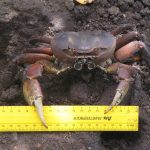
- First-spotted Tangoman (20081223)
-
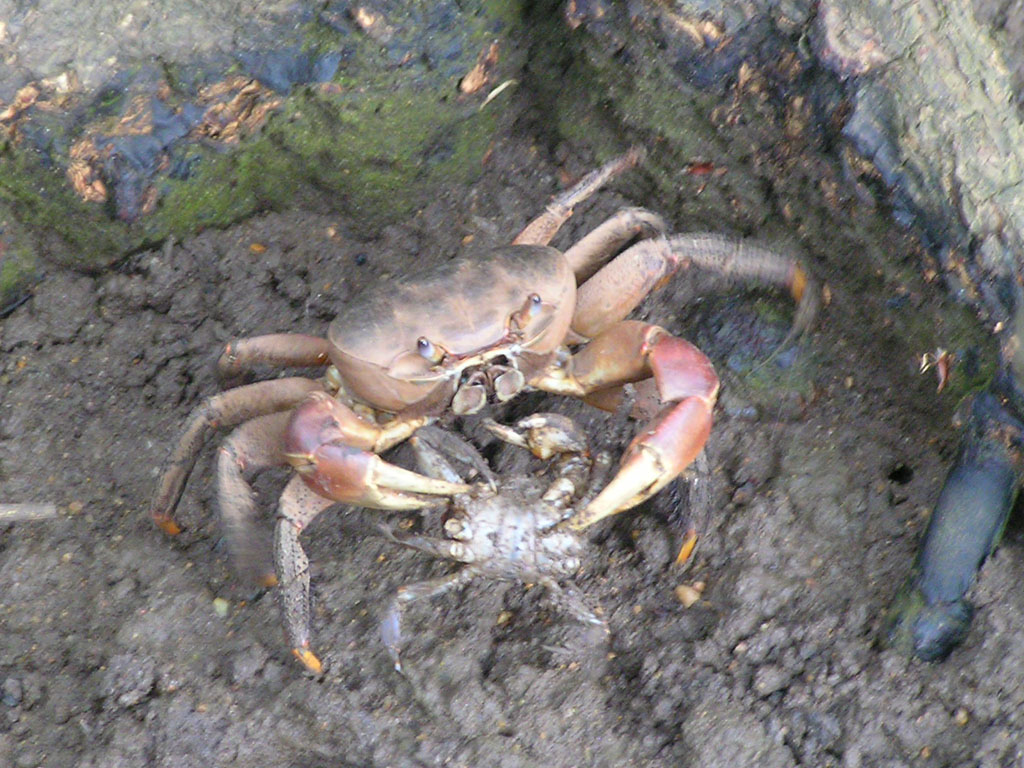
- Eating a red crab
-
- Size difference

-
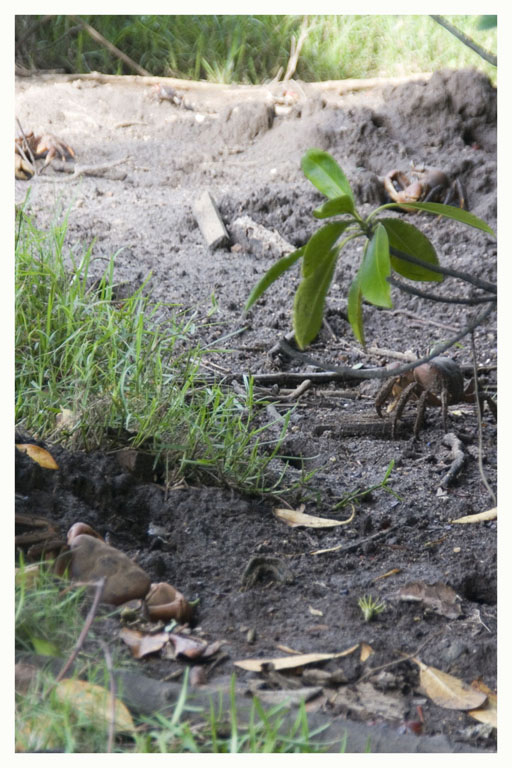
- Interacting
-

- Ready to Tango
-

- Female
-

- Juvenile (5cm)
-
- Male
-
- Day to day
-

- Coffee break (Close-up)
-
- Coffee break
-
- Taking a walk
-
- Off to work

-
- Mating
-
- Calm one

-
- Excavating burrow

-

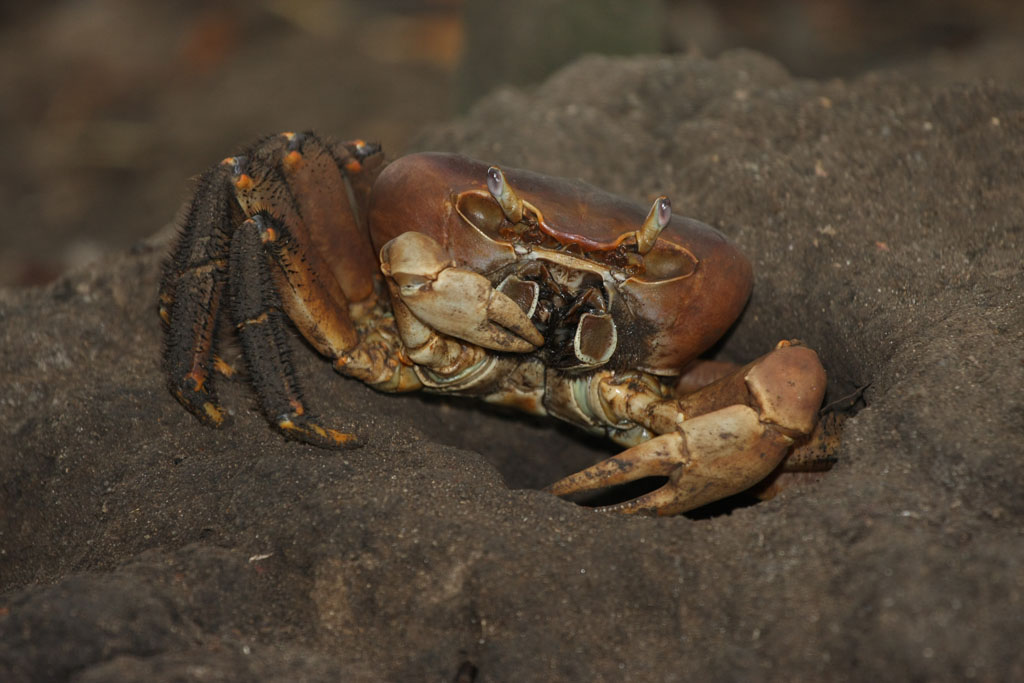
- Male
-
- Hmmm
-

- Excavating
-
- Male Tangoman

-
- Cozy neighbour
-
- Juvenile (Brighter-coloured)
-
- Tangoman burrow & red crabs
-
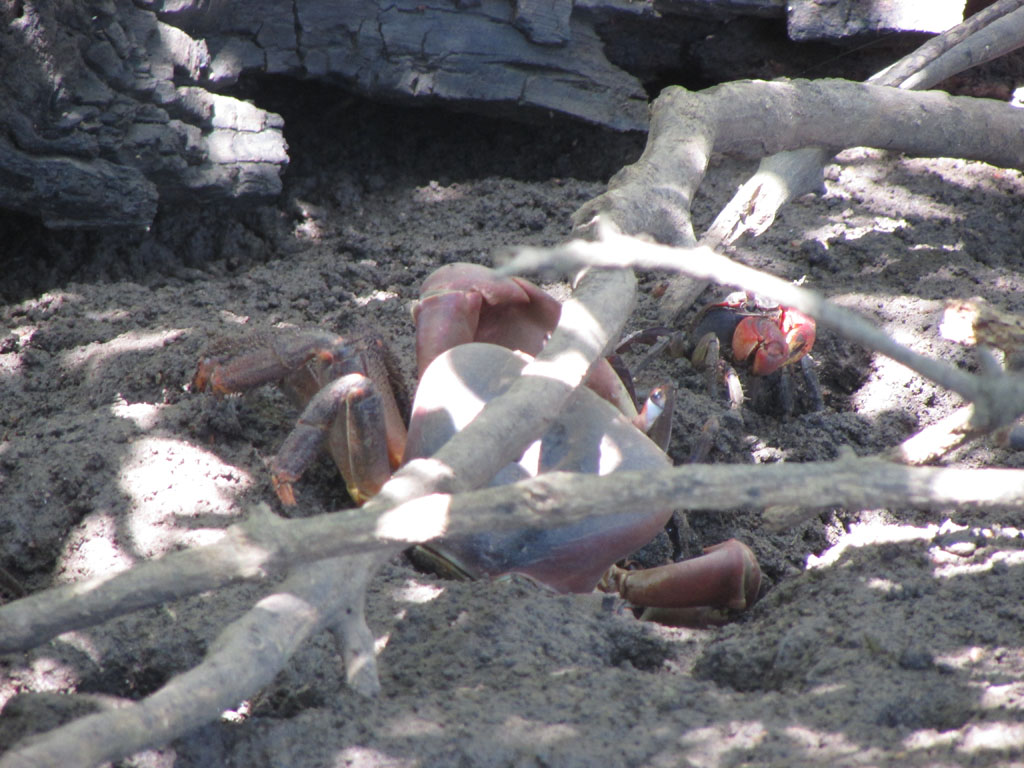
- Tangoman in camouflage (close-up)
-
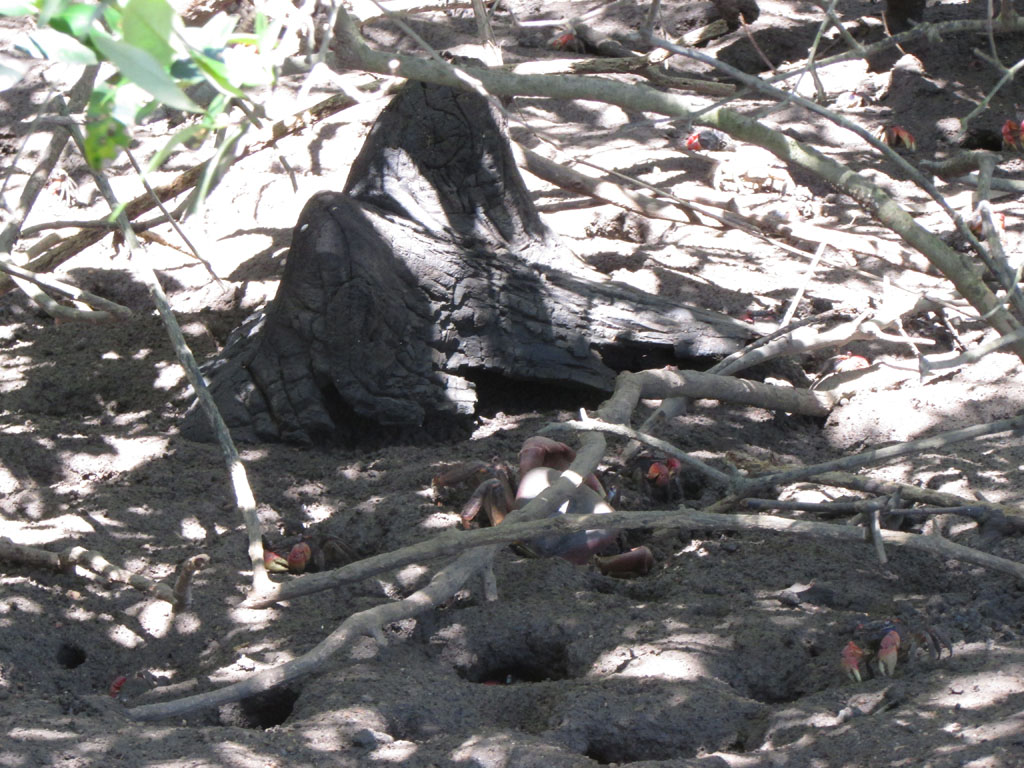
- Tangoman in camouflage
-
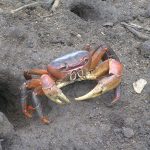
- Tangoman

-
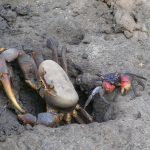
- Tangoman with suicidal Red-Claw

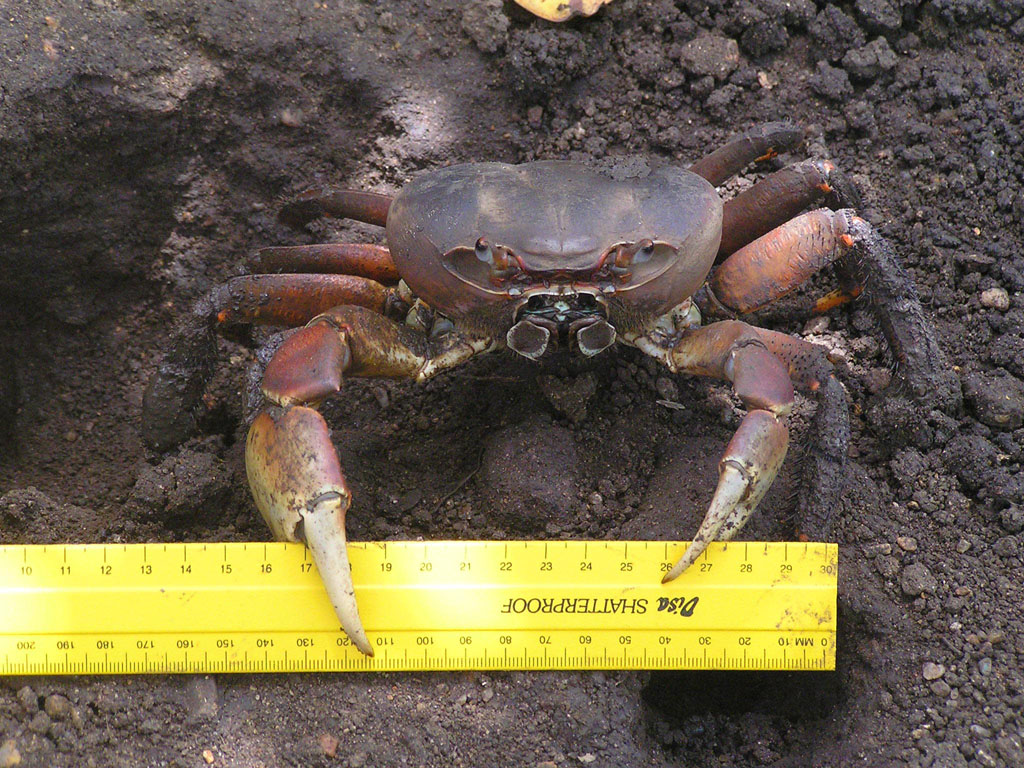
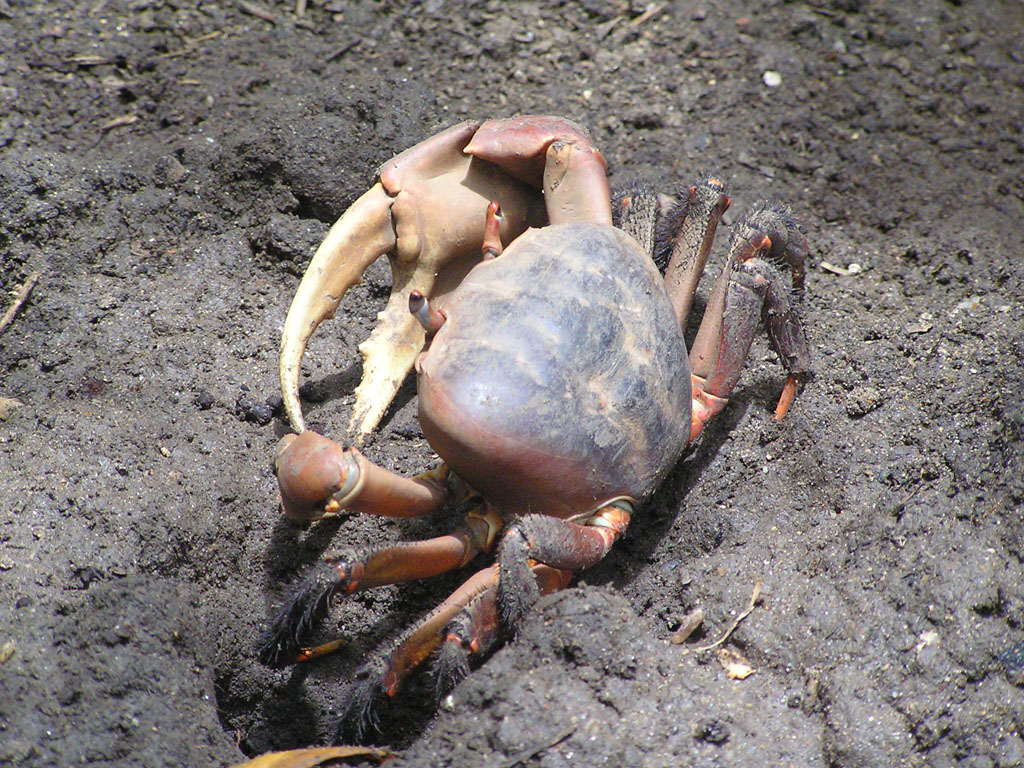
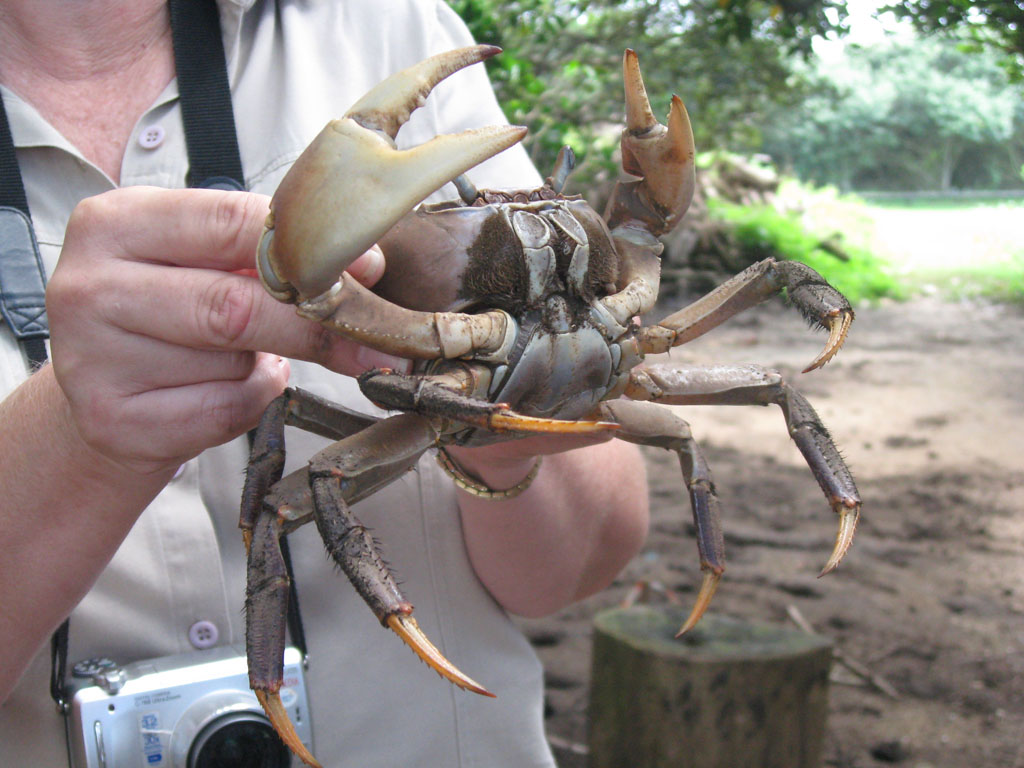
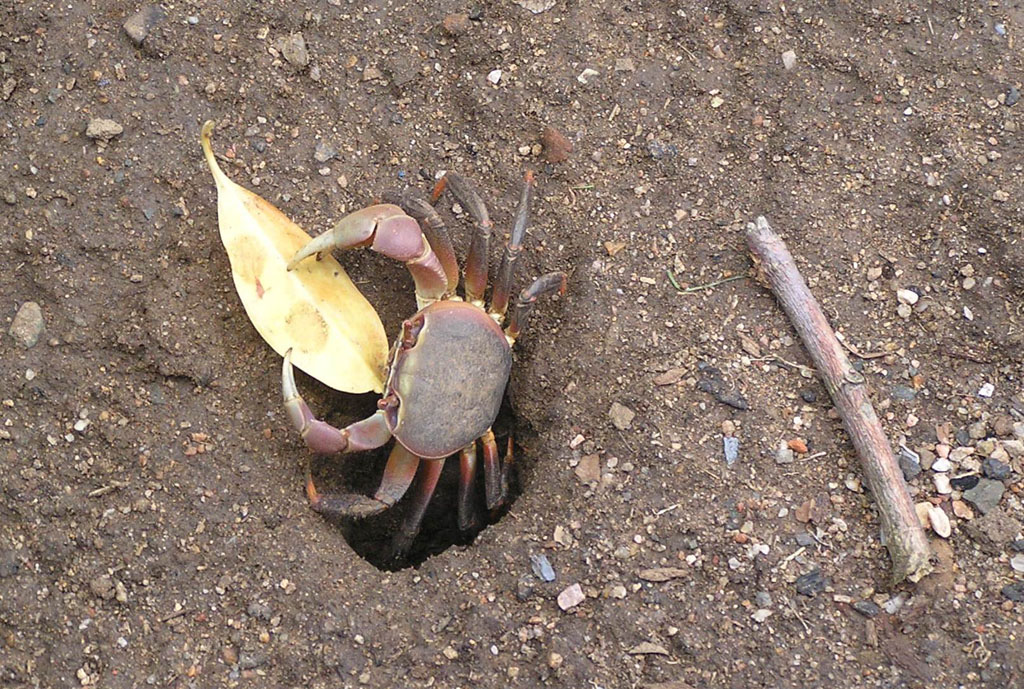
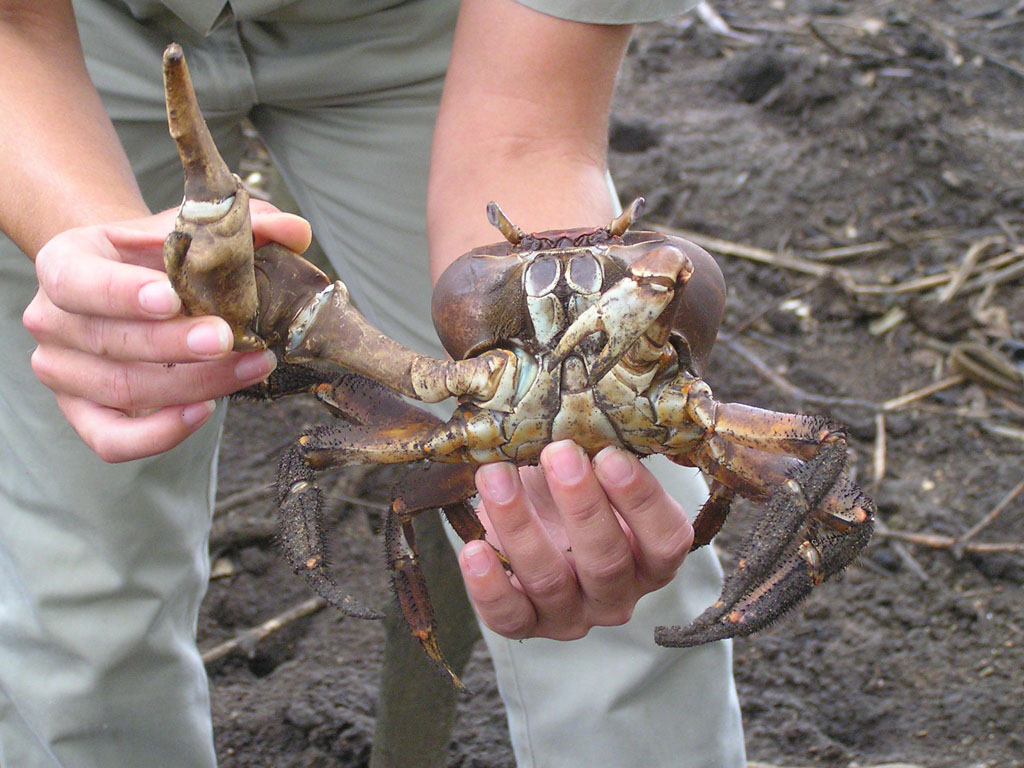
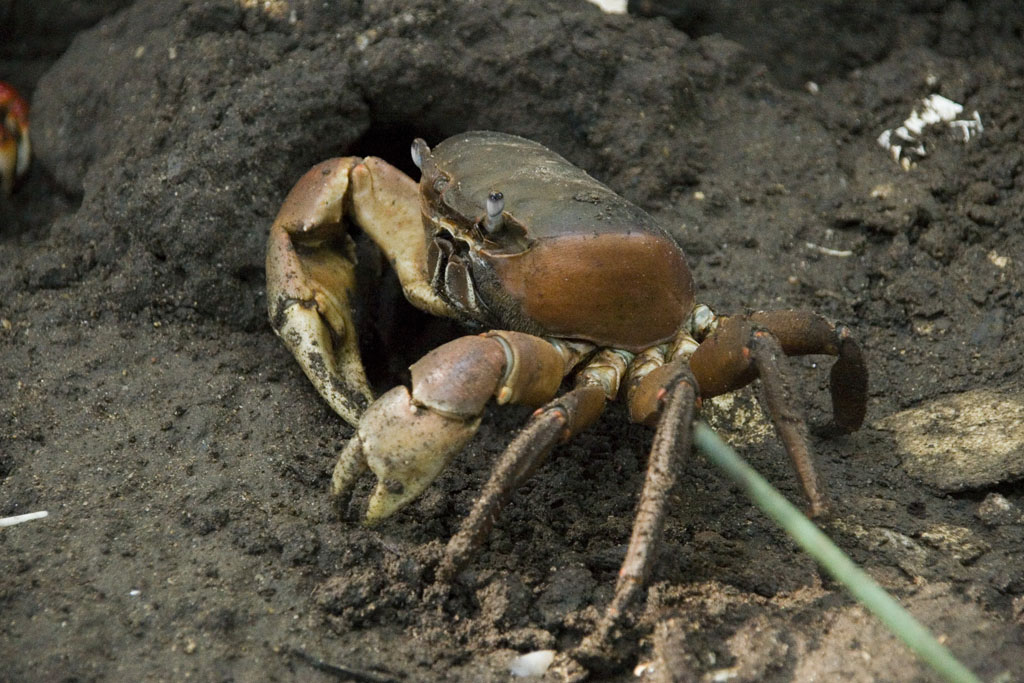
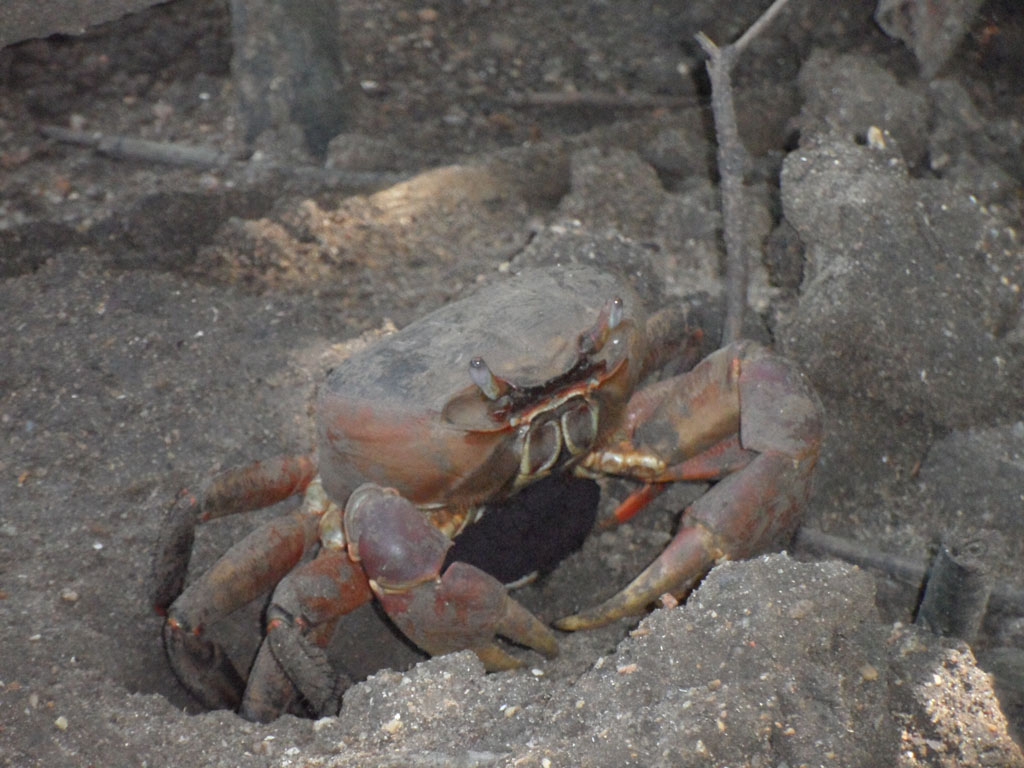
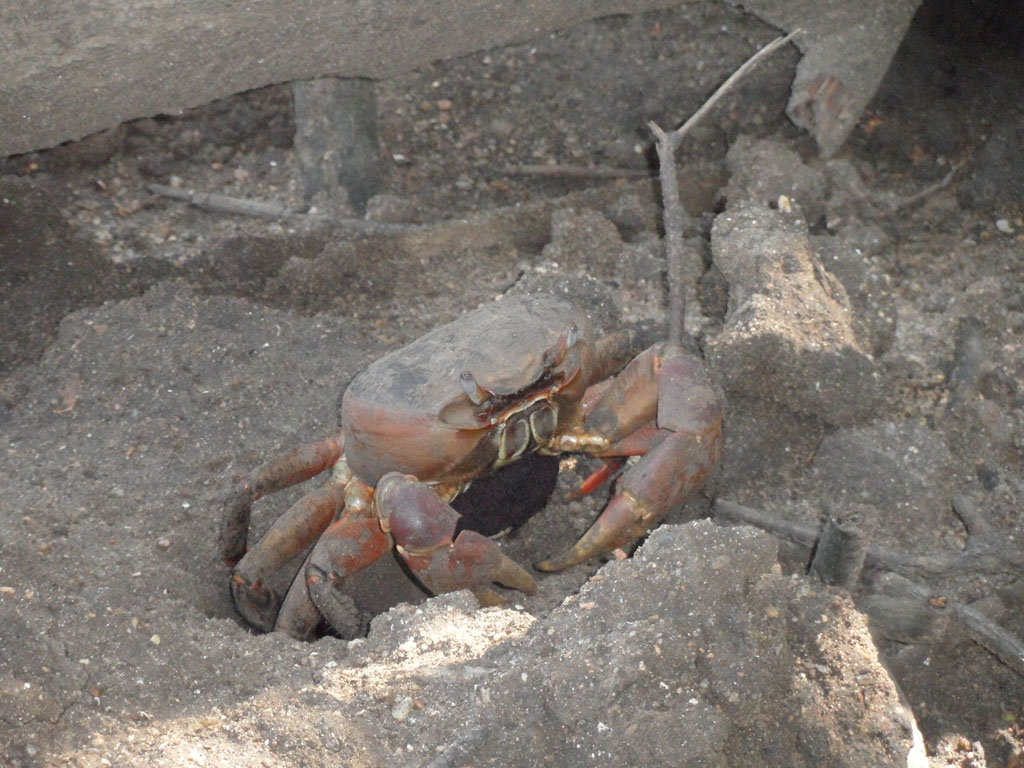
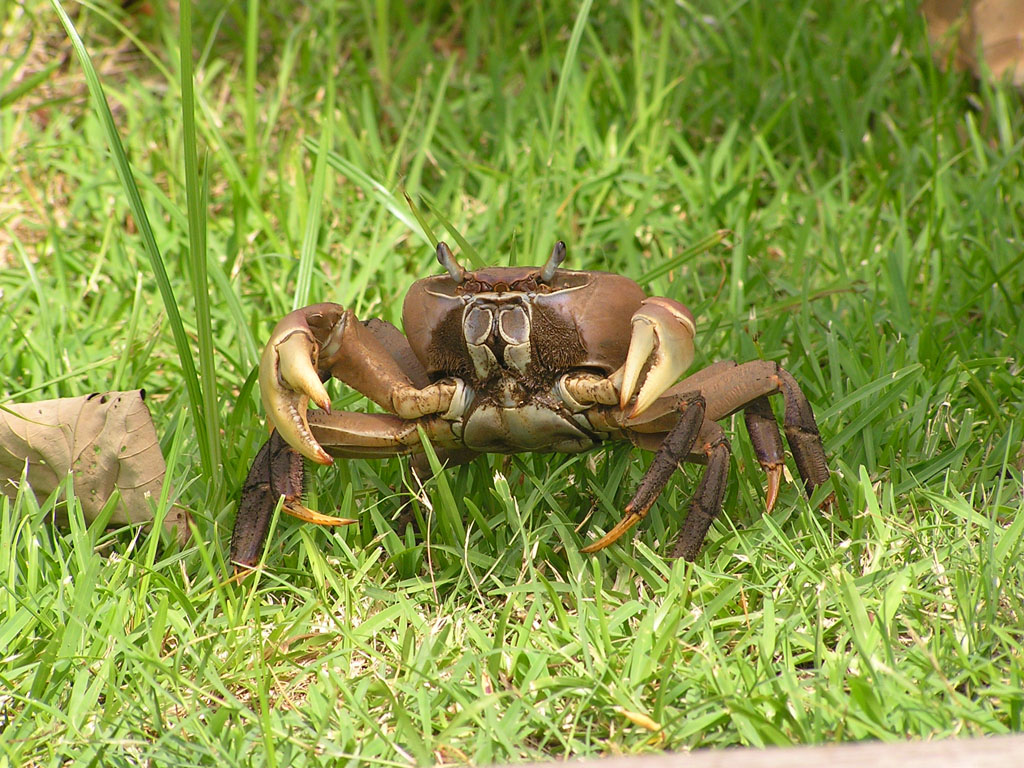
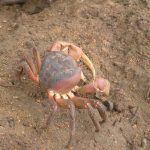
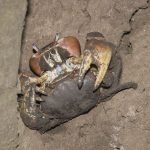
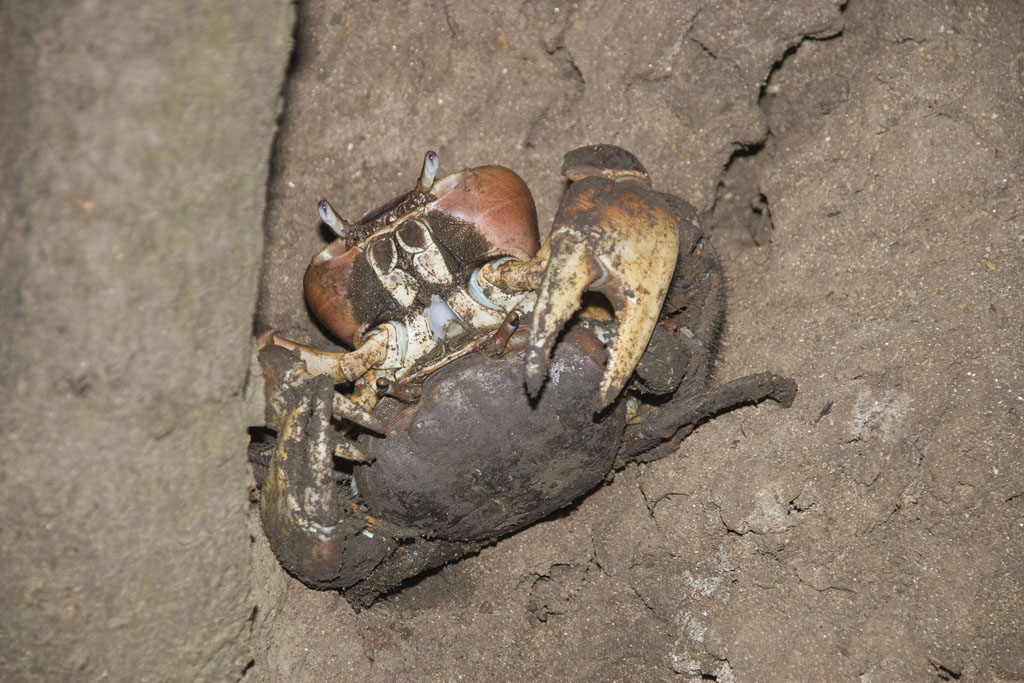
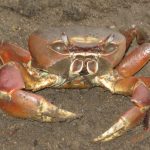
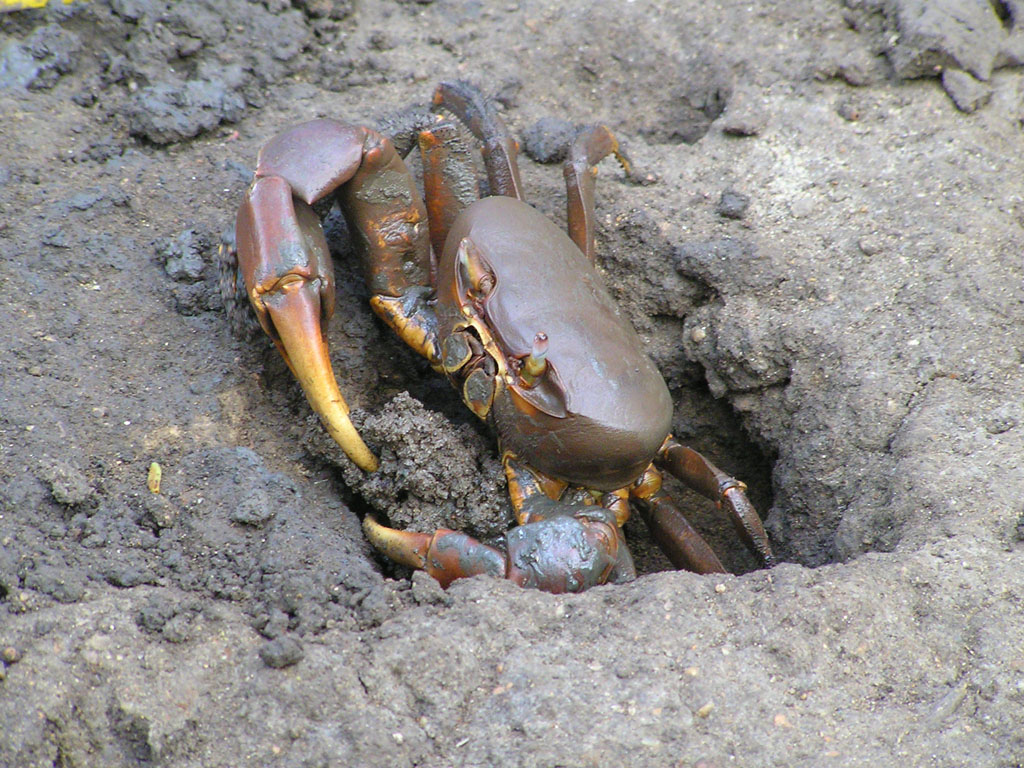
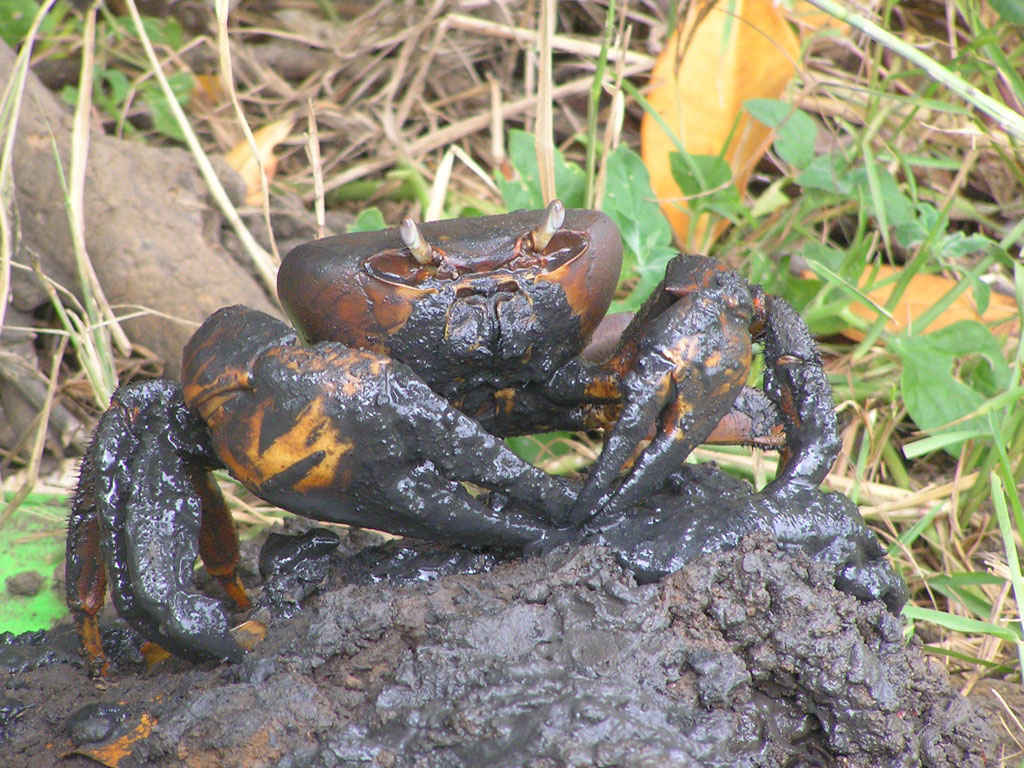
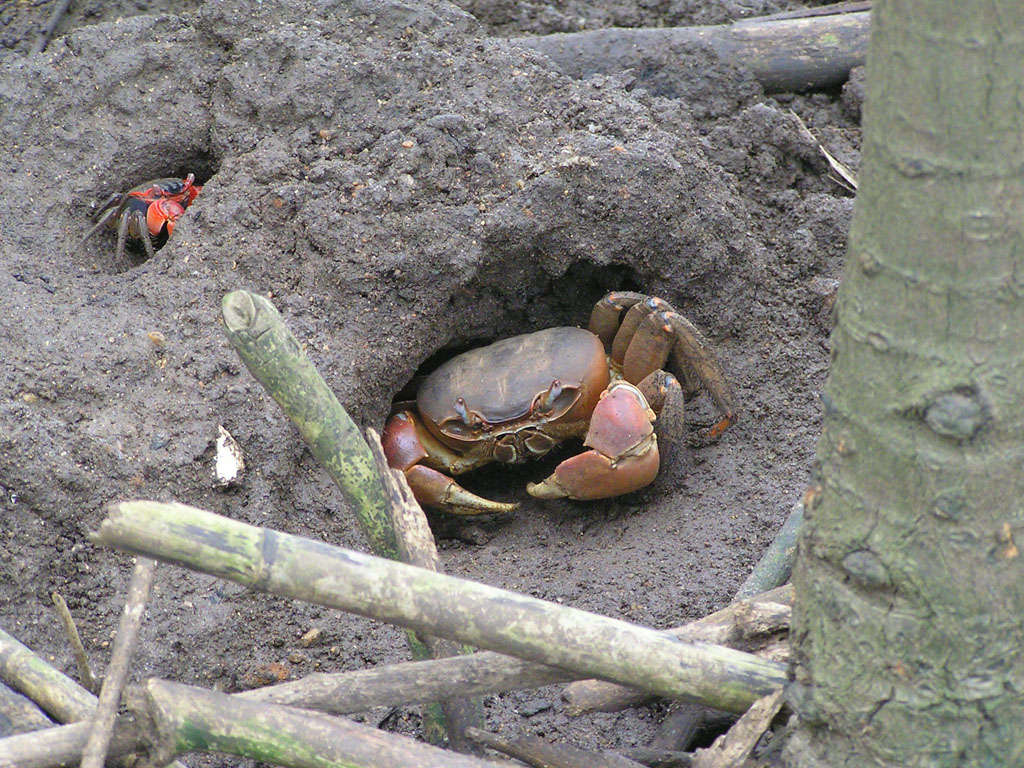
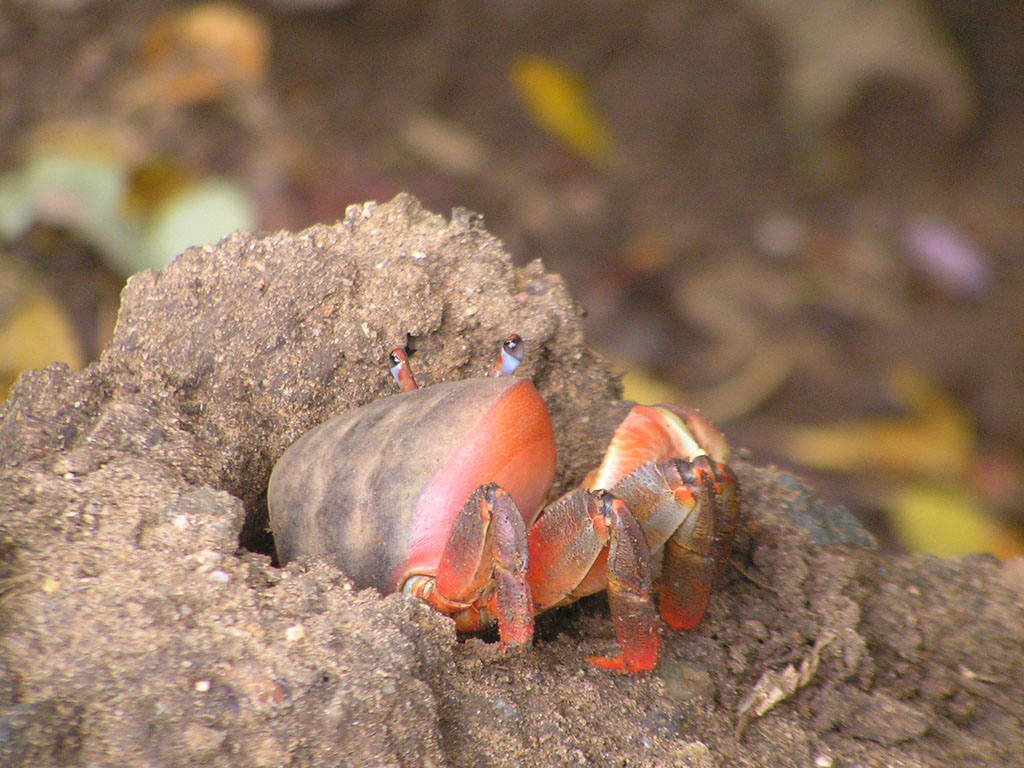
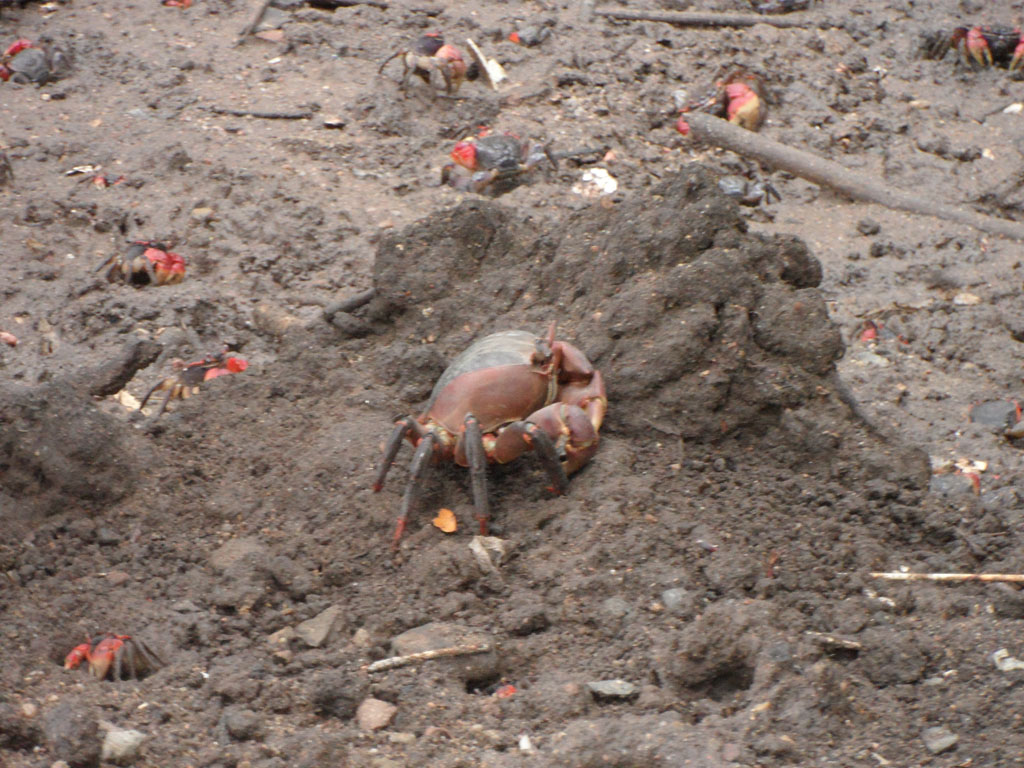
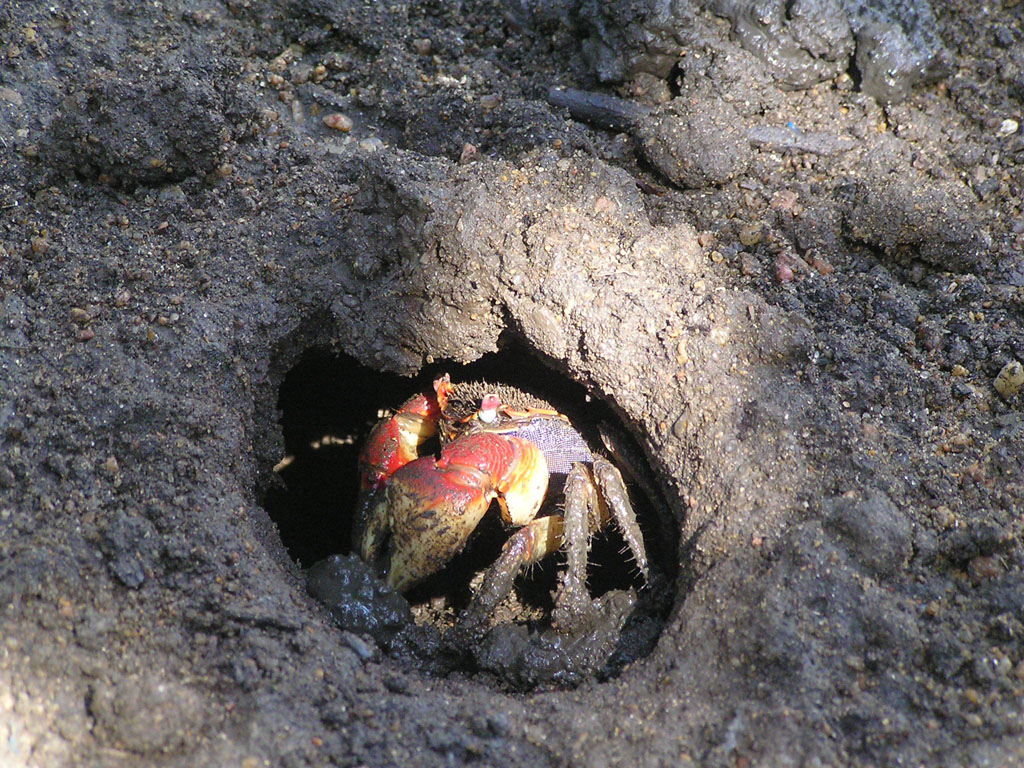
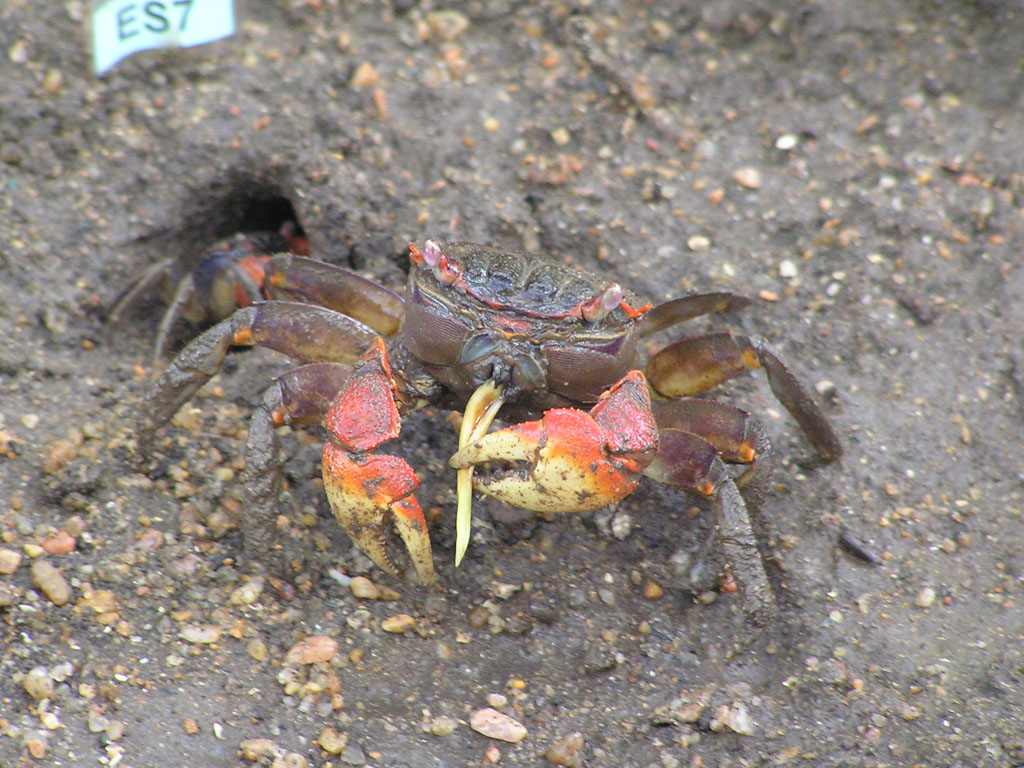
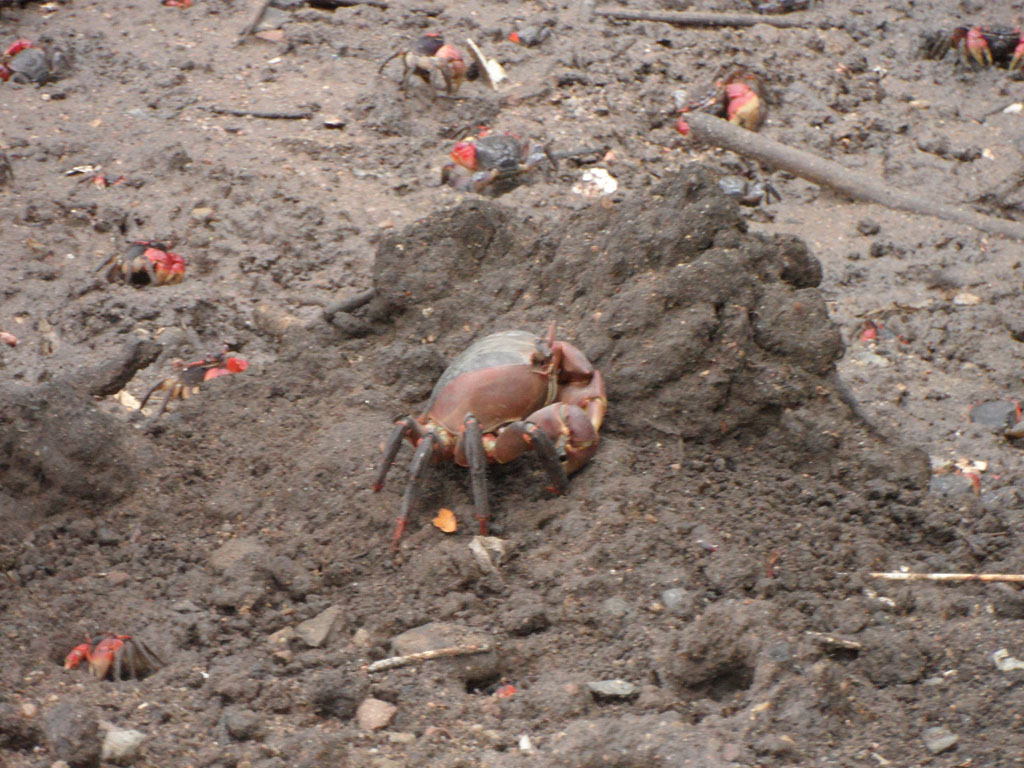
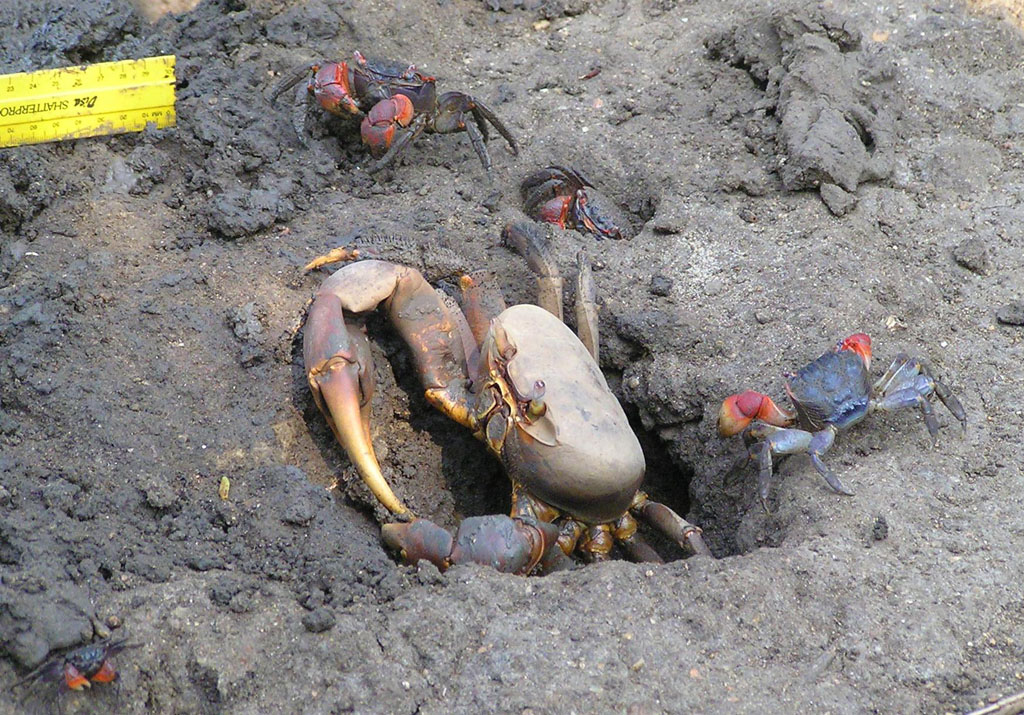
The Tangoman crab, or Cardisoma Carnifex, is a very big crab that appeared in the reserve only in late 2008, when there was great excitement to discover that this particular crab was last seen in Sodwana Bay, but had totally disappeared sometime between 1963 and 1972. By January 2011 the Honorary Officers had sighted the first juvenile tangoman. They enjoy the leaves of both the black and white mangrove trees, however, their favourite food is the red clawed mangrove crab.
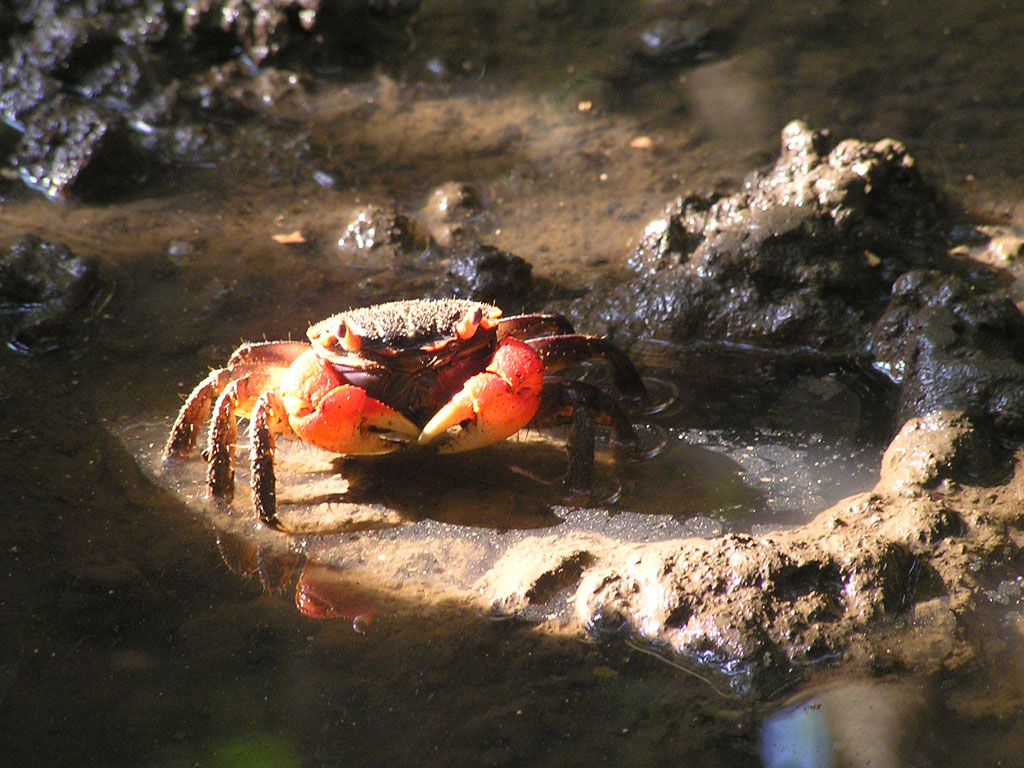
Red-clawed
-

- Baby has bitten off more than he can chew

-

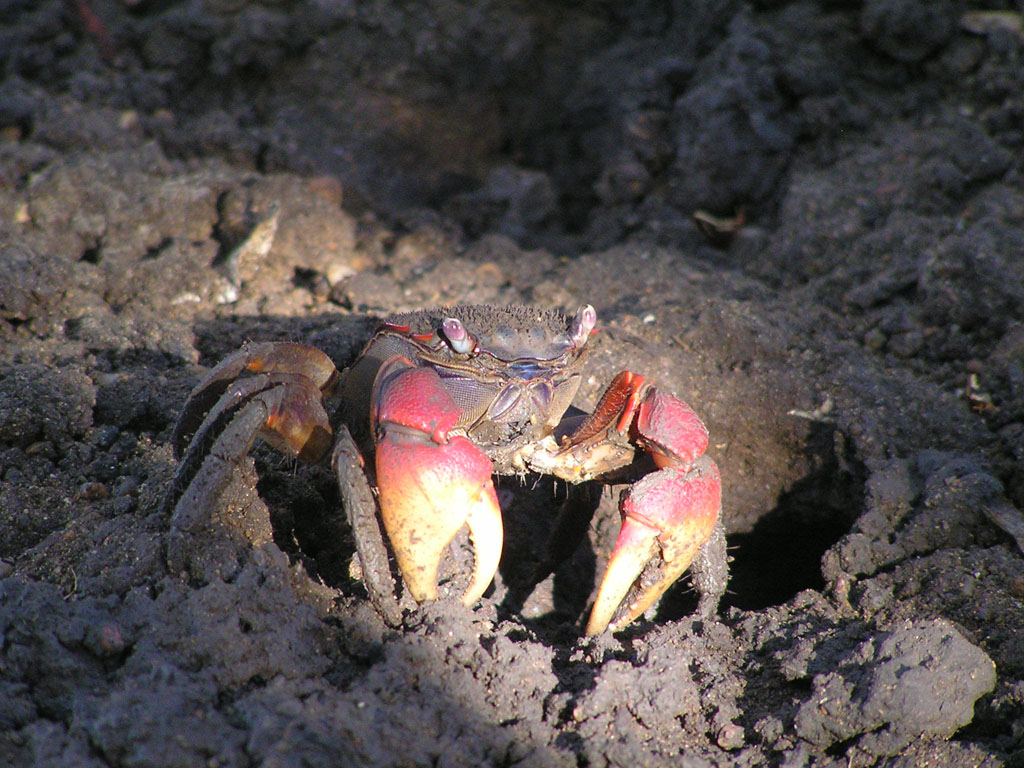
- Sesarma meinerti
-

- Adults measure +-5cm across their carapace

-
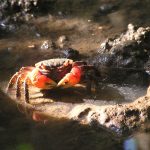
- Their burrows often fill with water at high tide
-
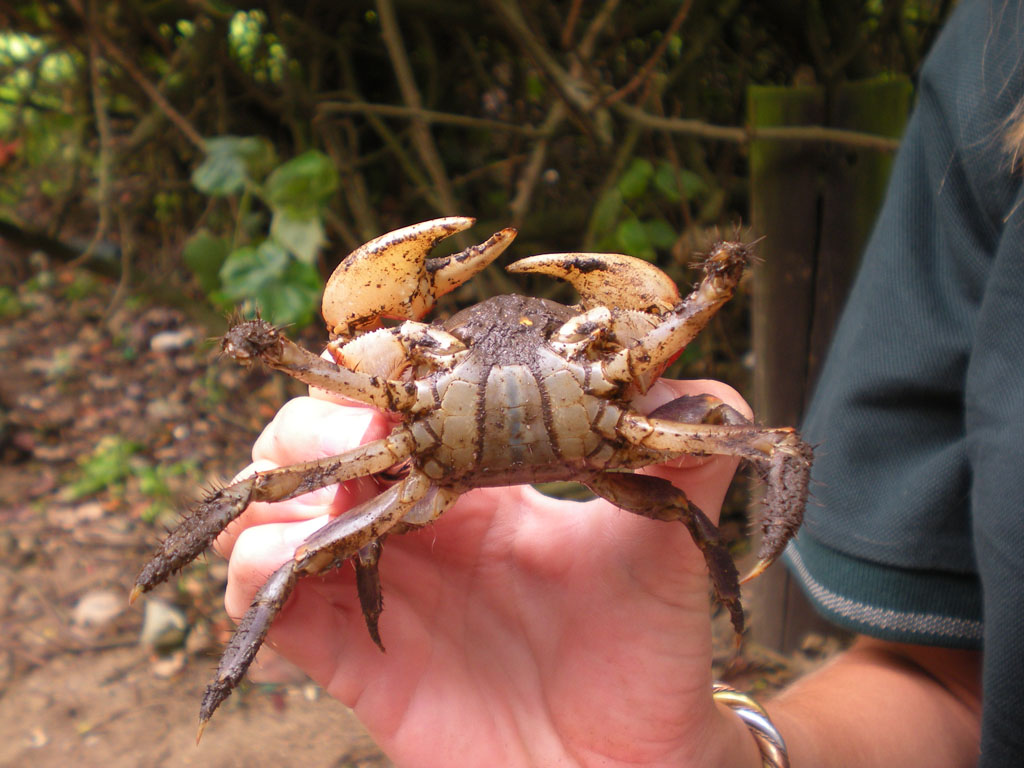
- Male’s triangular flap on his underside
-
- Female’s hinged underside is oval

-

- Fight for the fallen leaves

-

- My leaf!
-

- Clinging to the trees during the floods
-
- During the floods
-

- Eating one of its own

-

- Excavation burrow
-
- Hello there!

-
- In Berry

-
- Mating
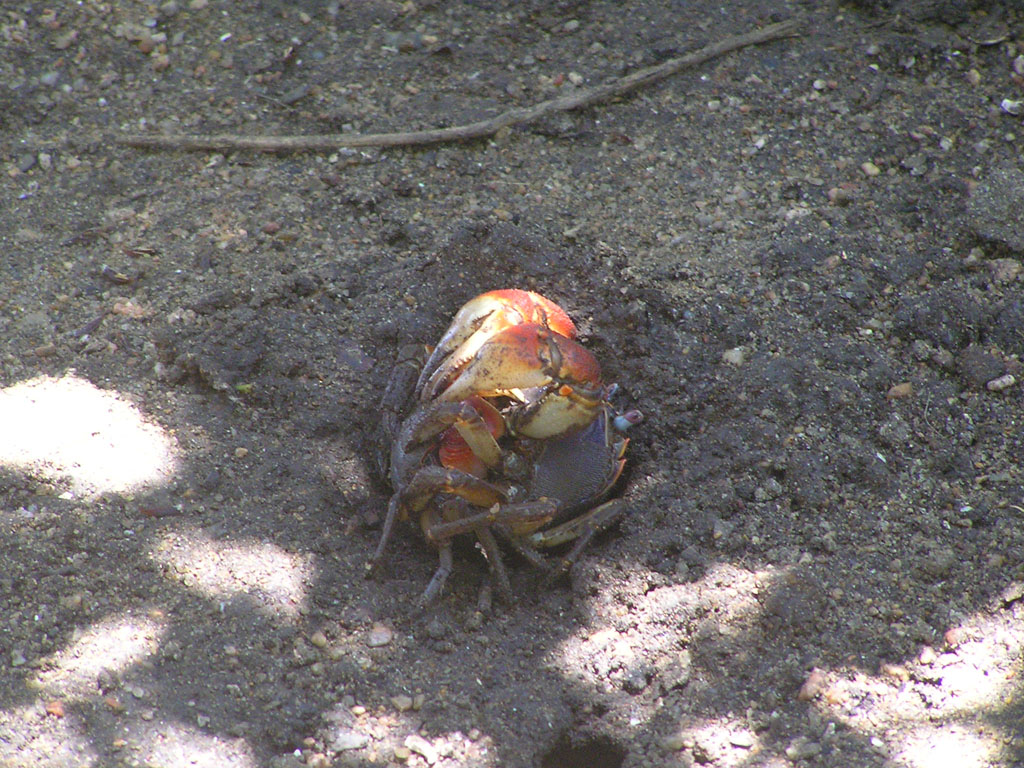
-
- Mating

-
- Mating

-
- Busy-busy
-
- Seed top
-
- Eating
-
- Bright red
-
- Displays

-
- Habitat
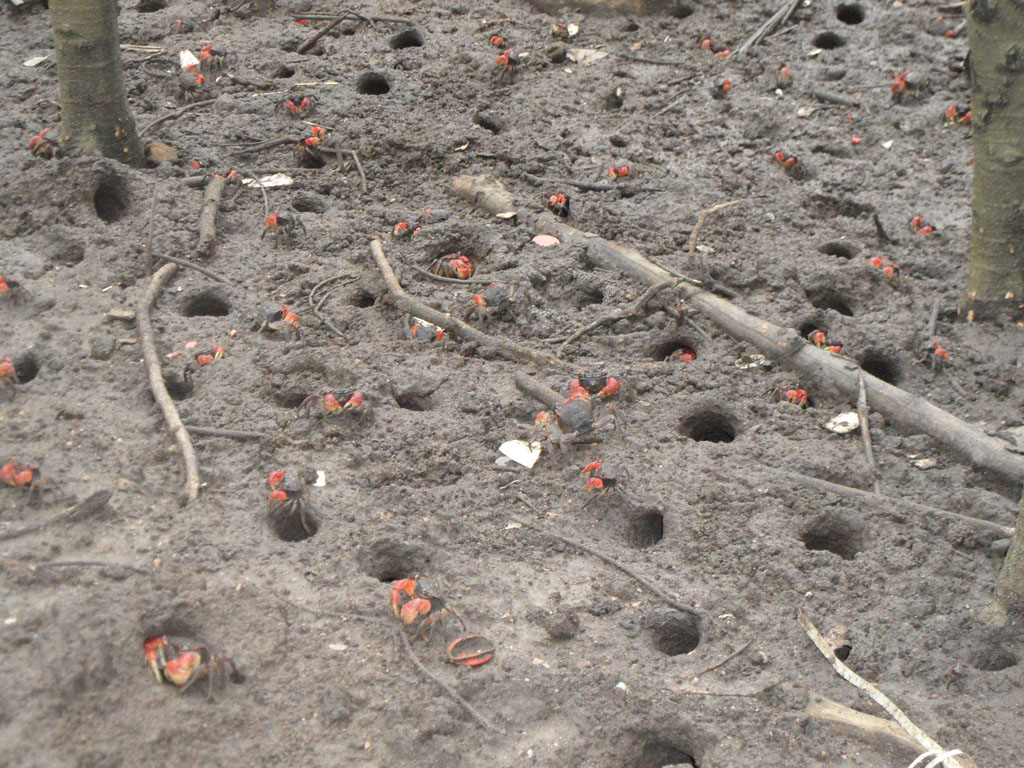
-
- Red-clawed crabs with Tangoman crab
-
- Territorial
-
- Territorial

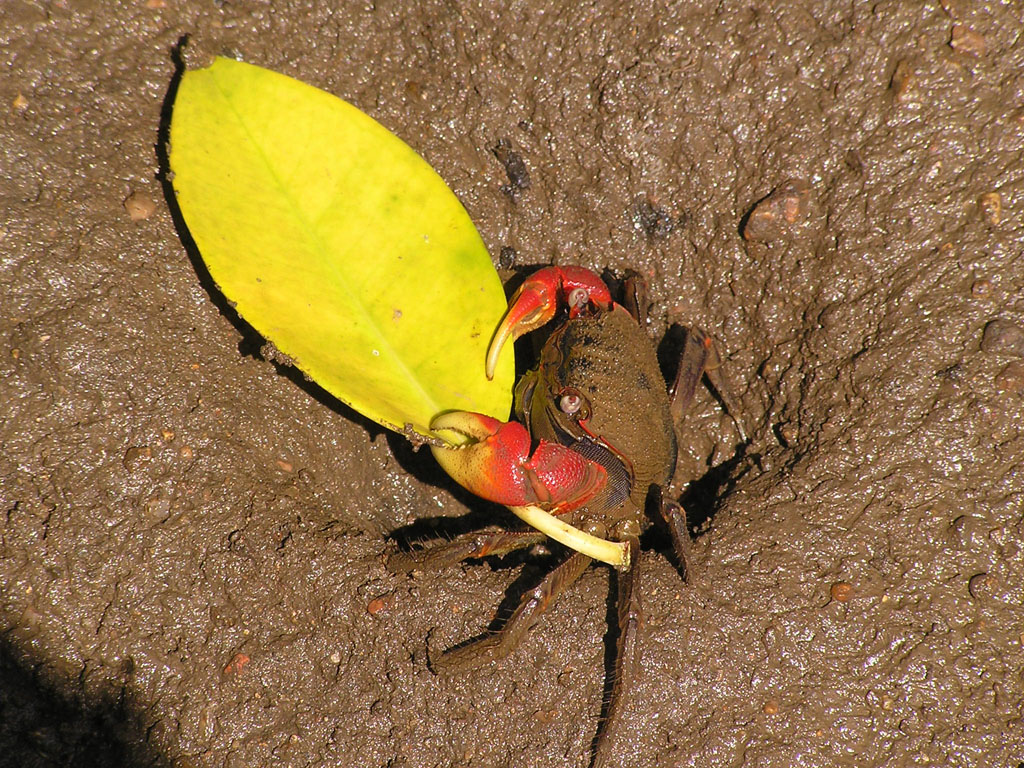
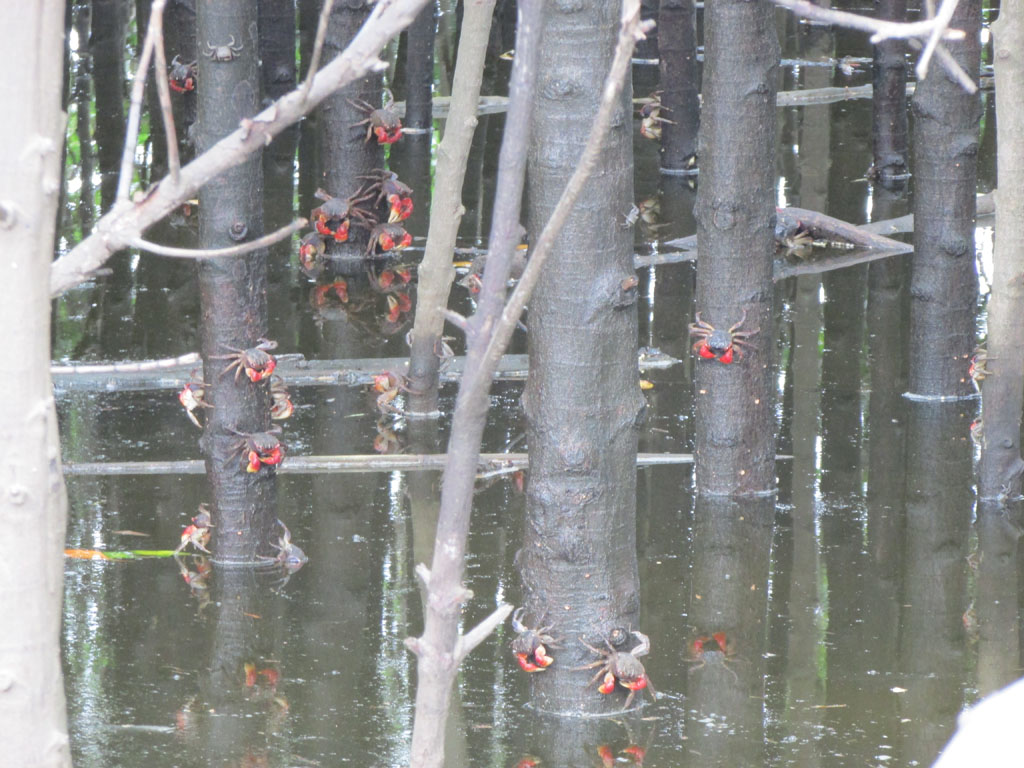
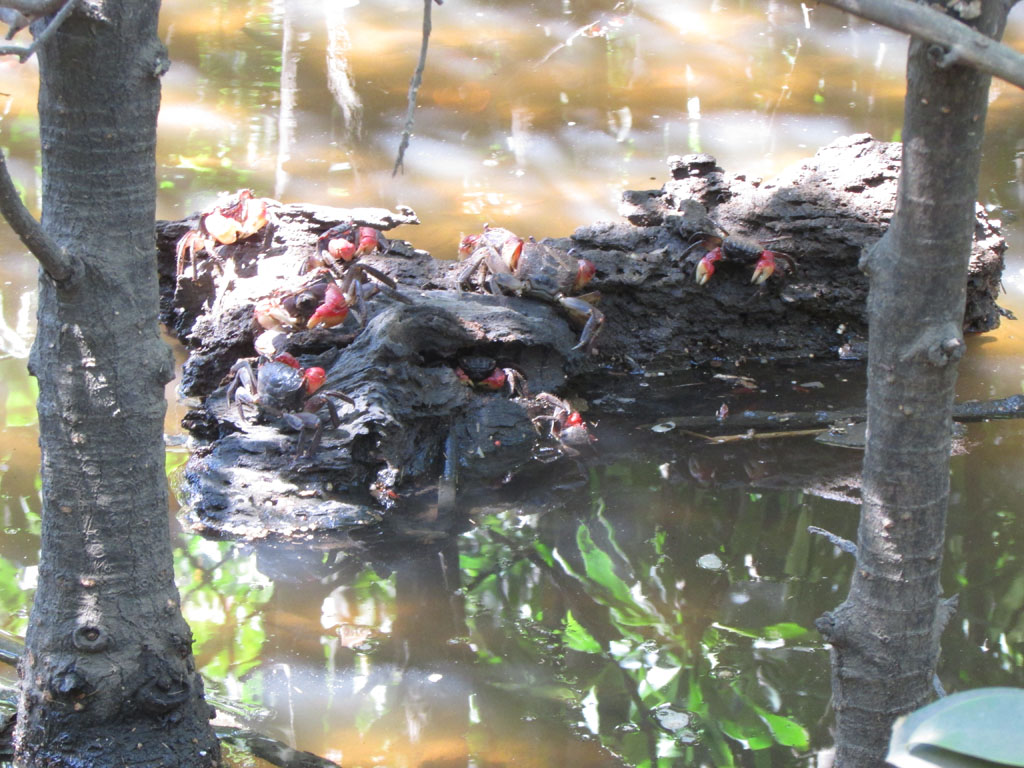
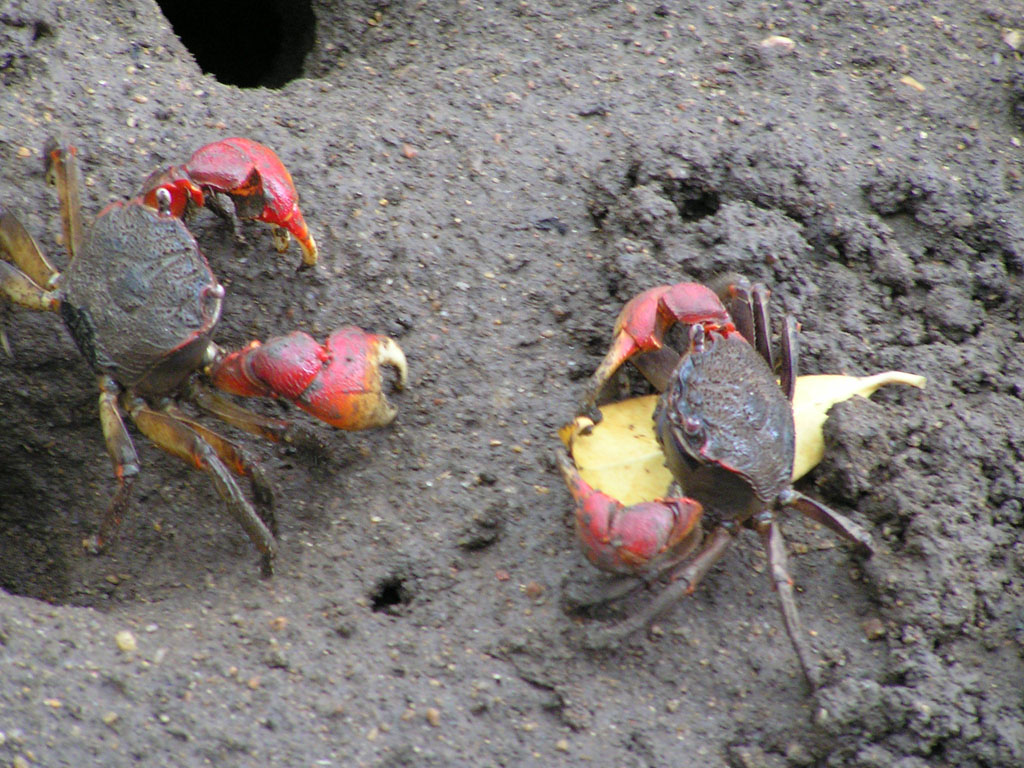
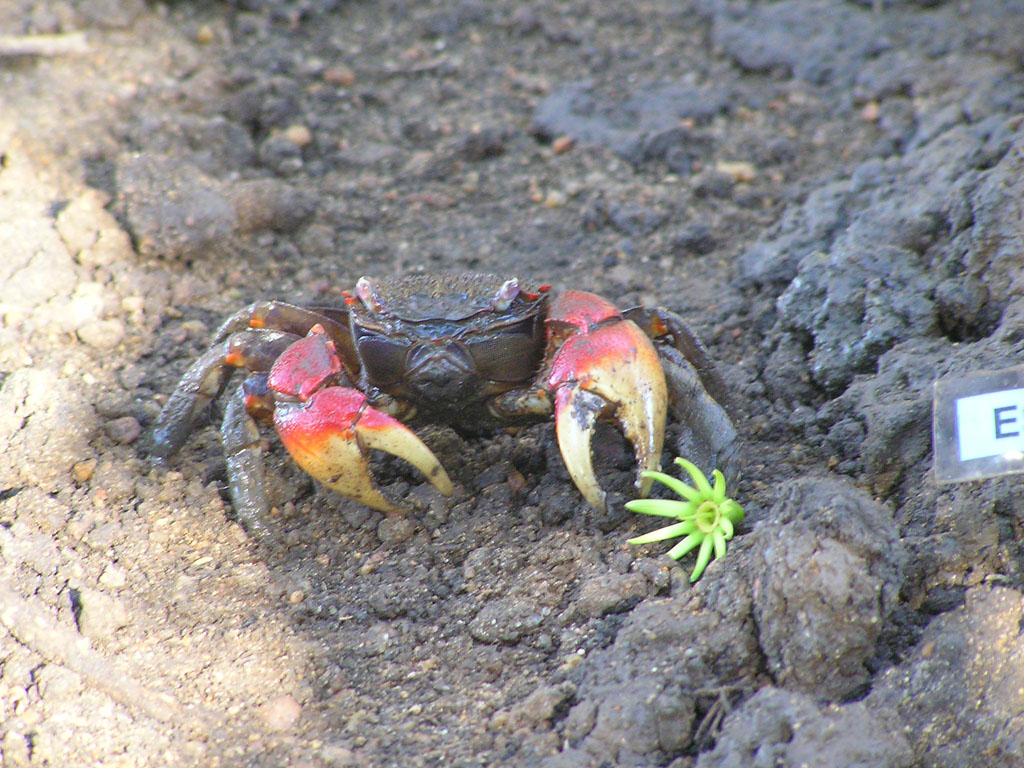
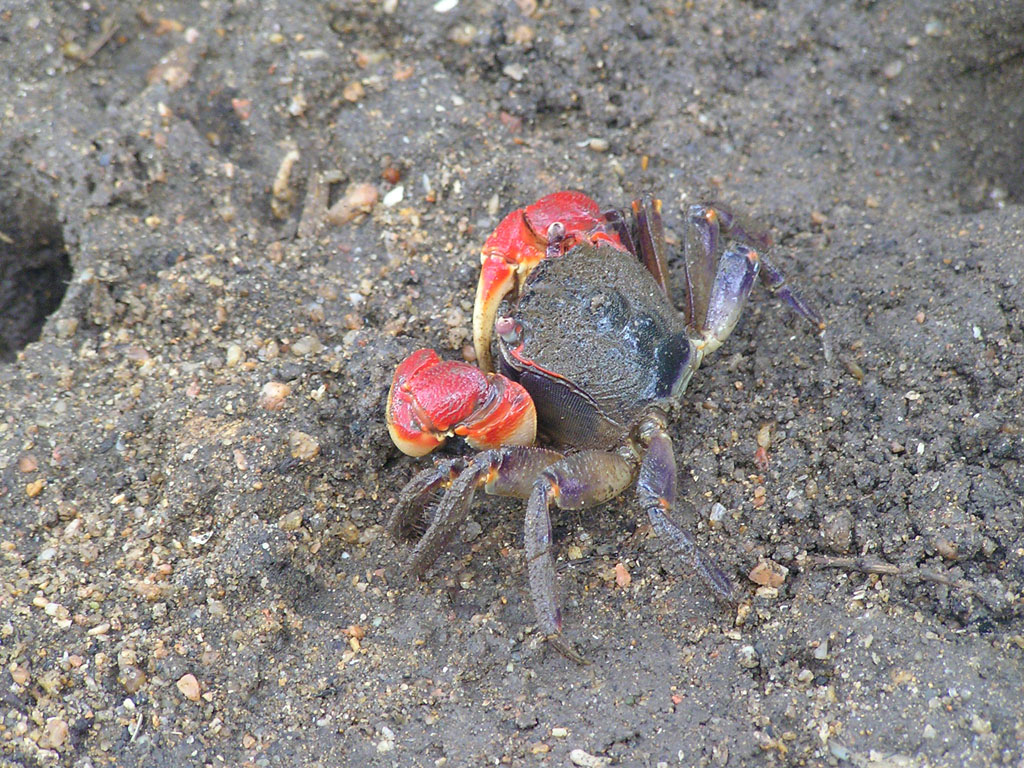
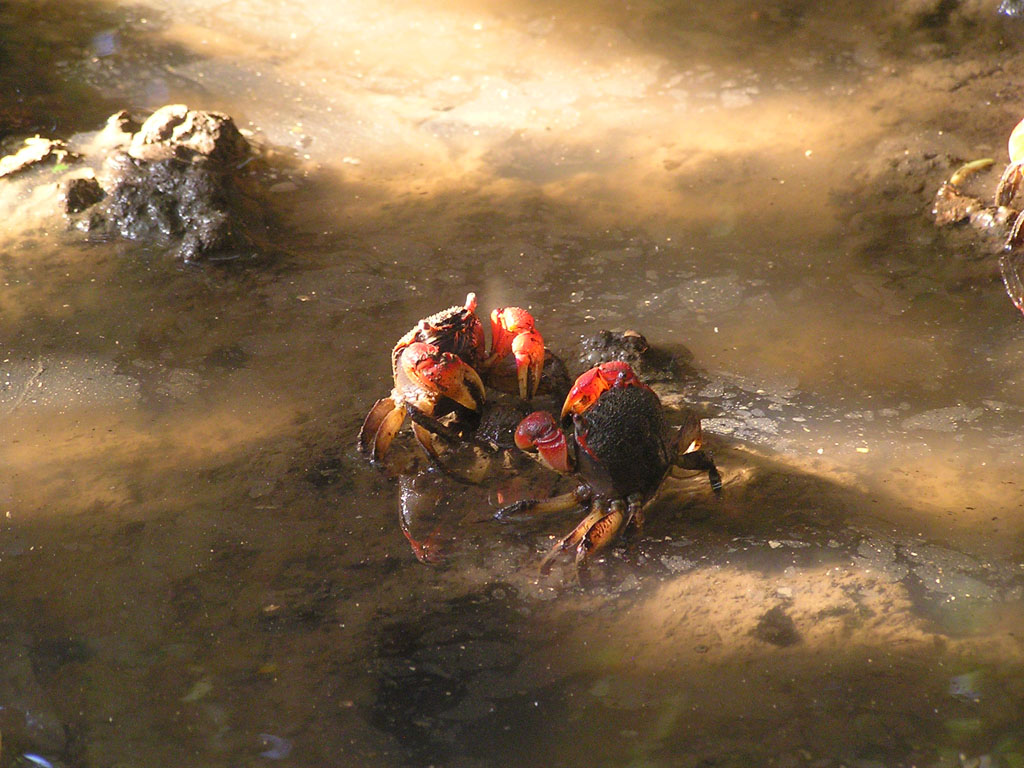
There are currently over 904 000 red clawed mangrove crabs in the nature reserve. Also known as the Sesarmid crab, they’re rather shy, solitary and very territorial so you’ll find them in the dense shade of the black mangroves, with whom they have a special relationship – the hairs of the crab vibrate when leaves fall to the ground. This is the easiest way to see this vegetarian easily, for they will come out of hiding to grab any black mangrove leaf that might land close to their burrows.
Mixed
-
- Busy bunch

-

- Uca chlorophthalmus

-

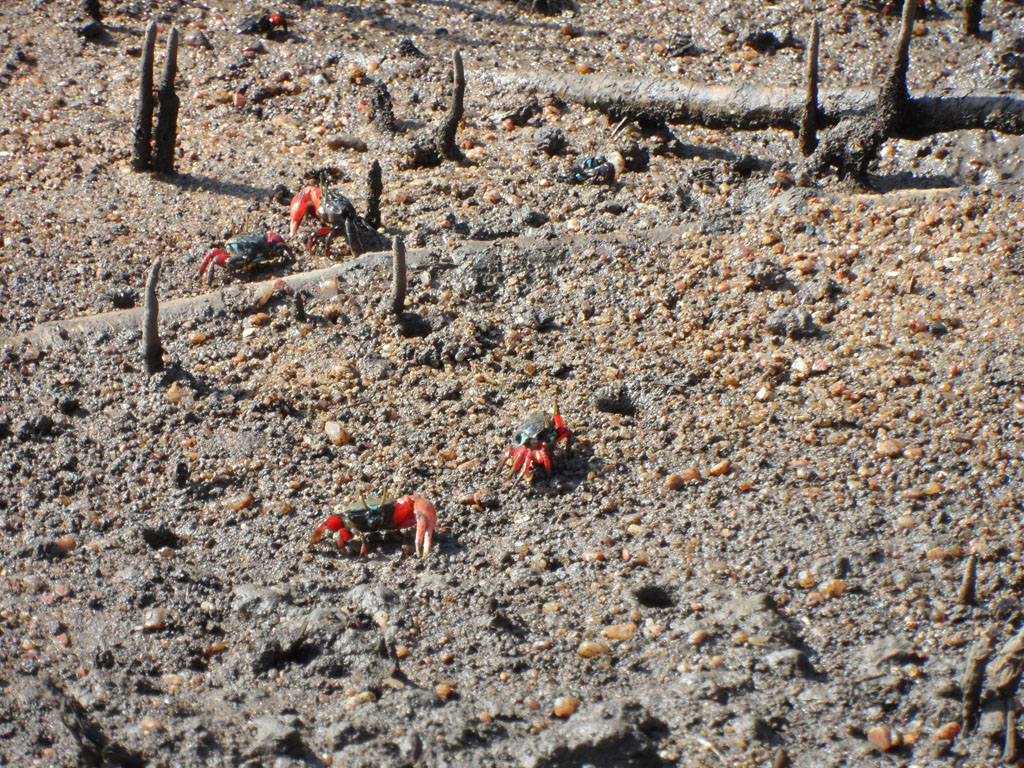
- Red legged fiddler crabs
-

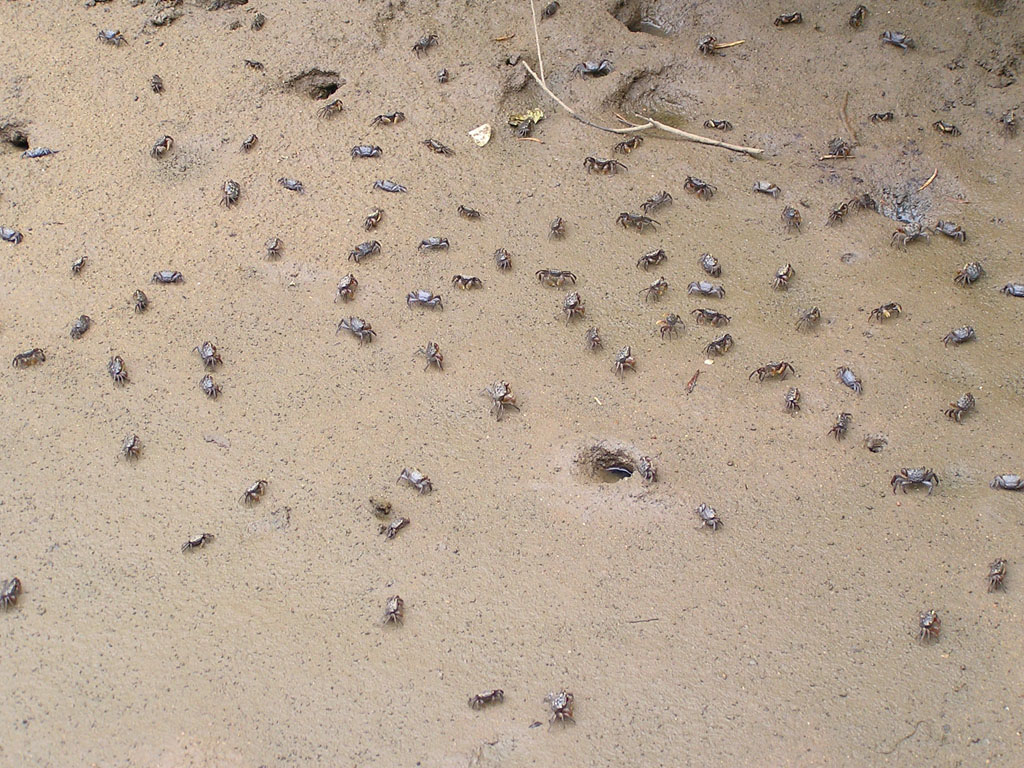
- Marsh crabs habitat
-
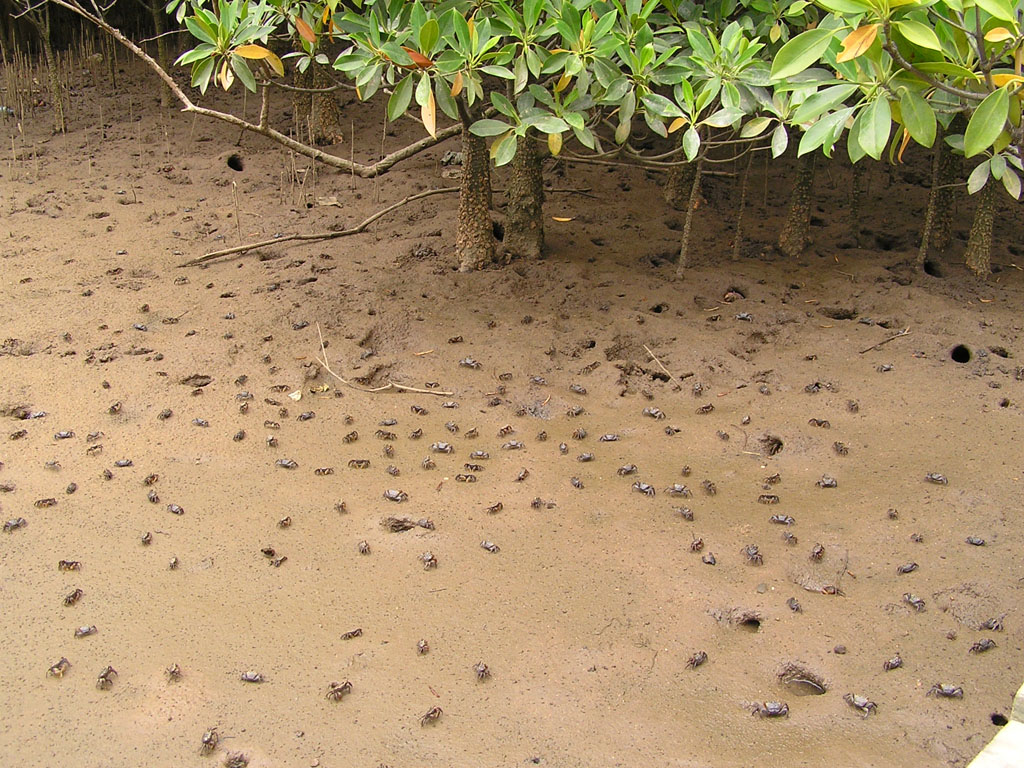
- Marsh crabs habitat
-
- Marsh crab
-
- Marsh crabs
-
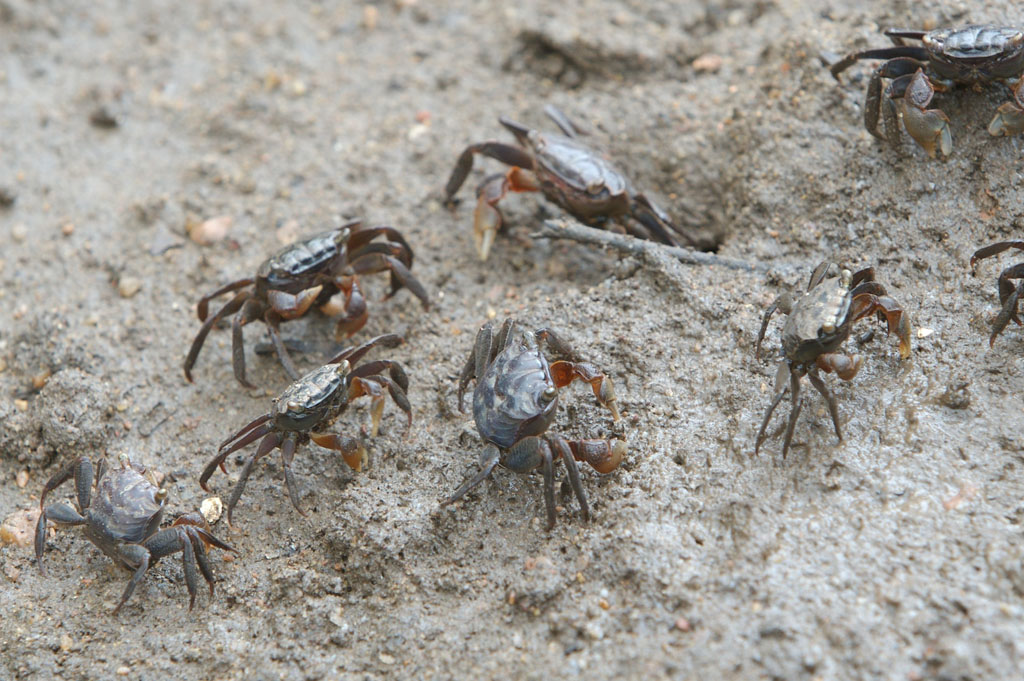
- Marsh crabs
-
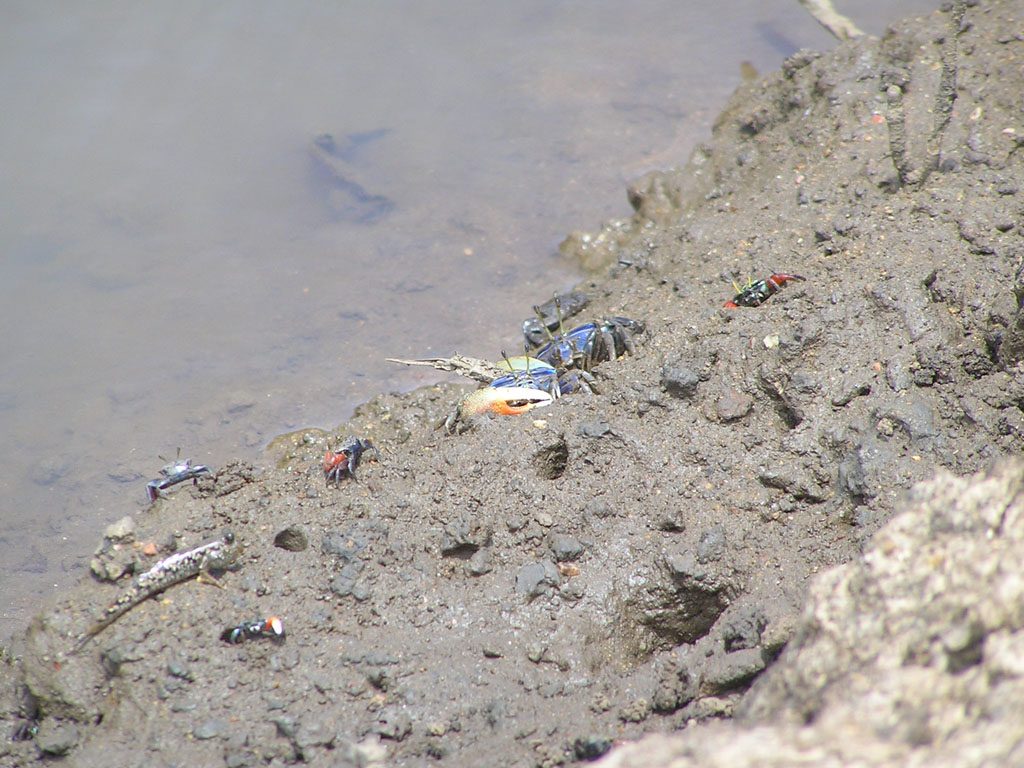
- Large blue fiddler – Uca urvillei
-
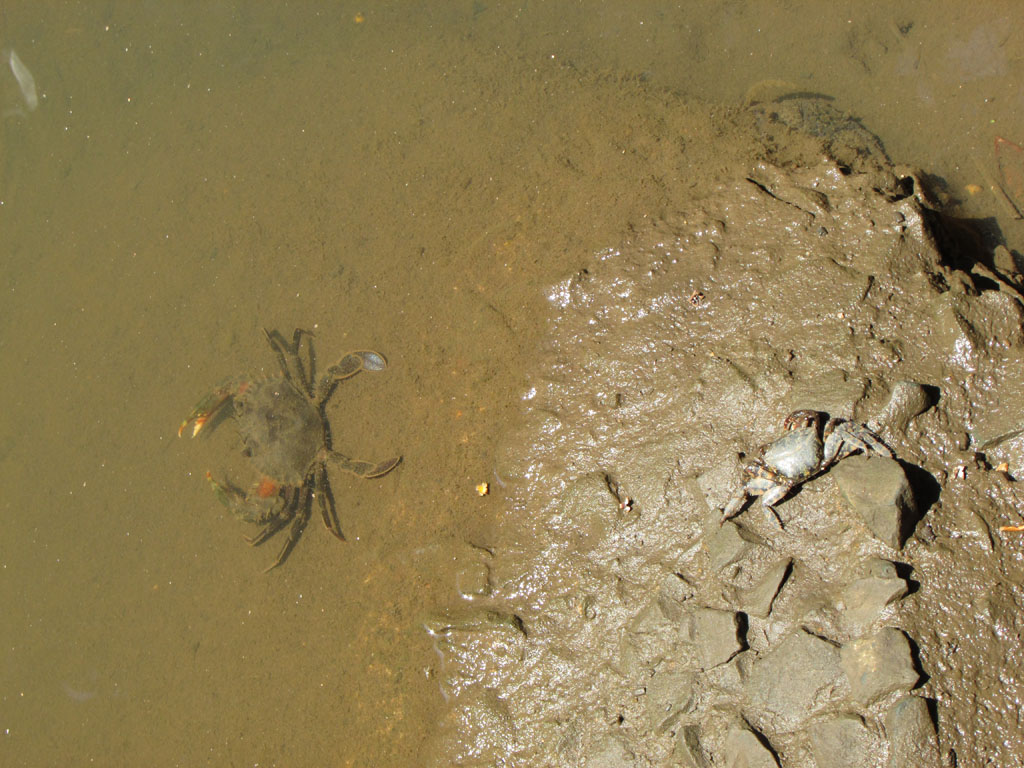
- Juvenile Cilla serata with Marsh crab

-

- Horn-eyed ghost crab – Ocypode certophthalmus

-
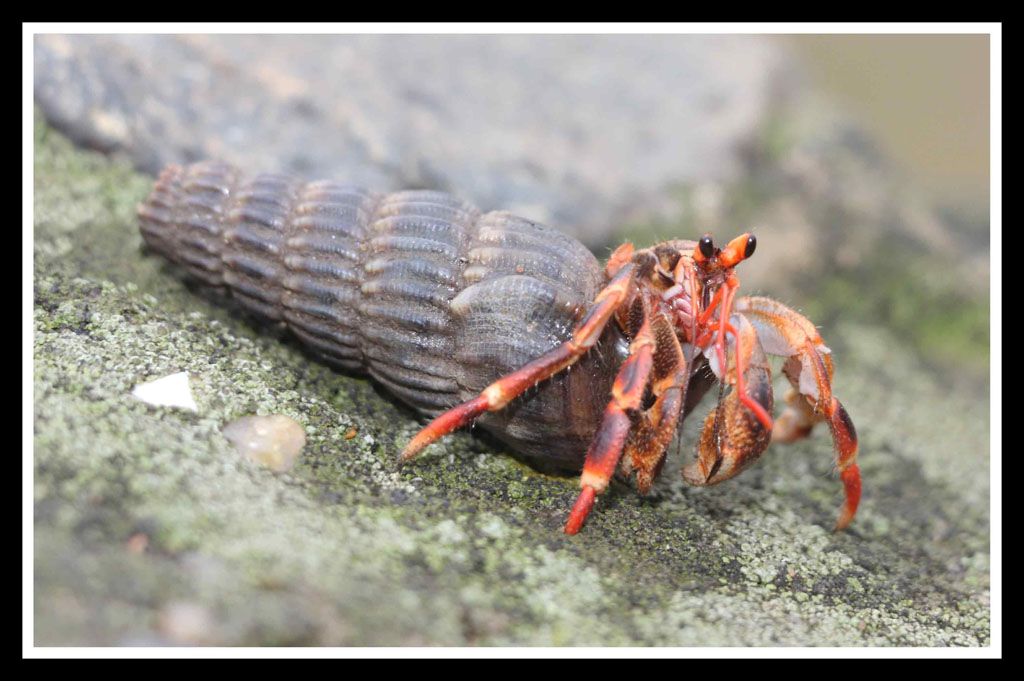
- Hermit Crab in whelk shell
-

- Fiddler habitat

-

- Fiddler habitat
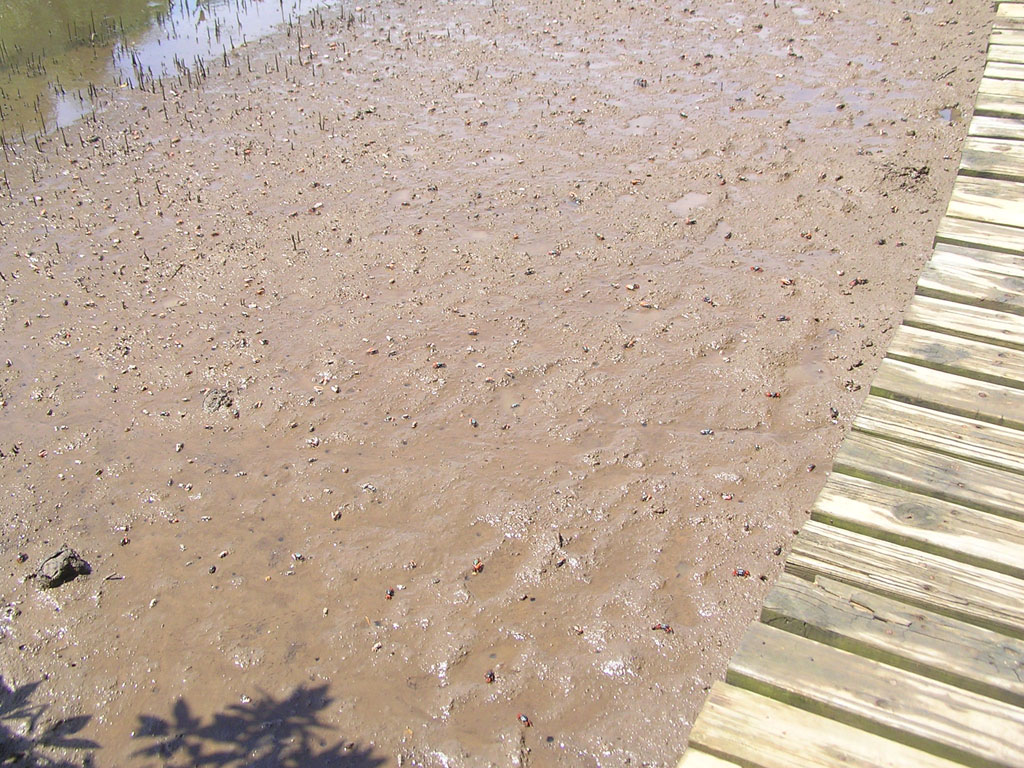
-
- Fiddler crab

-
- Fiddler crab duel – Uca-lactea-annulipes
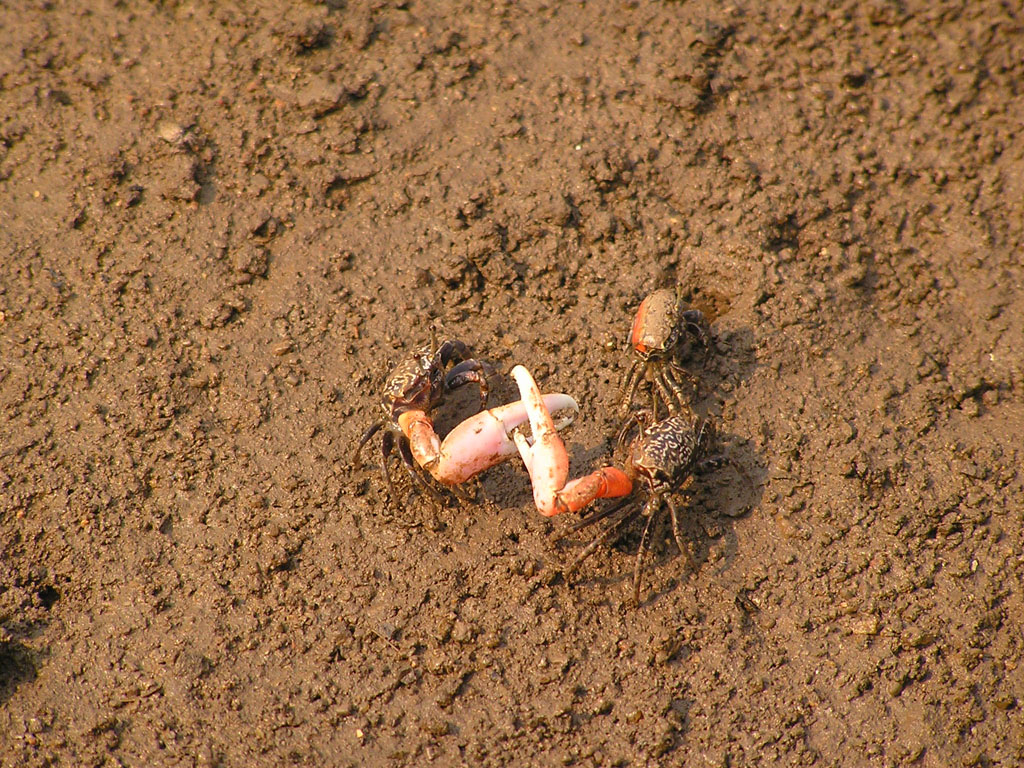
-

- Fiddler crab
-

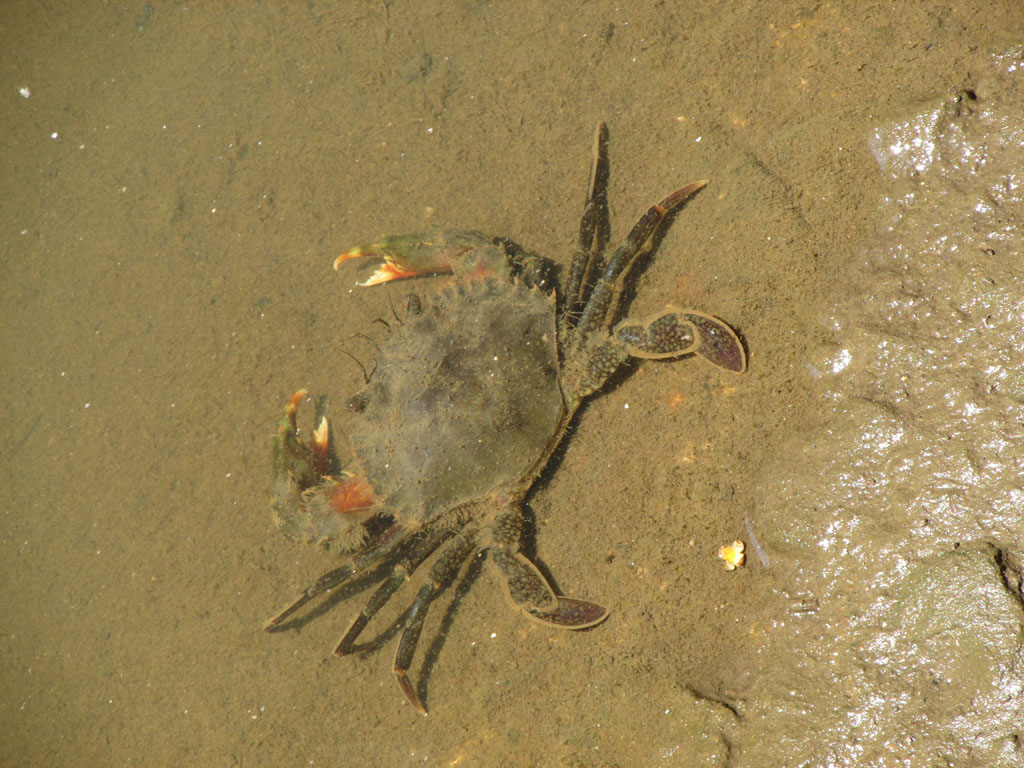
- Young Mud crab
-
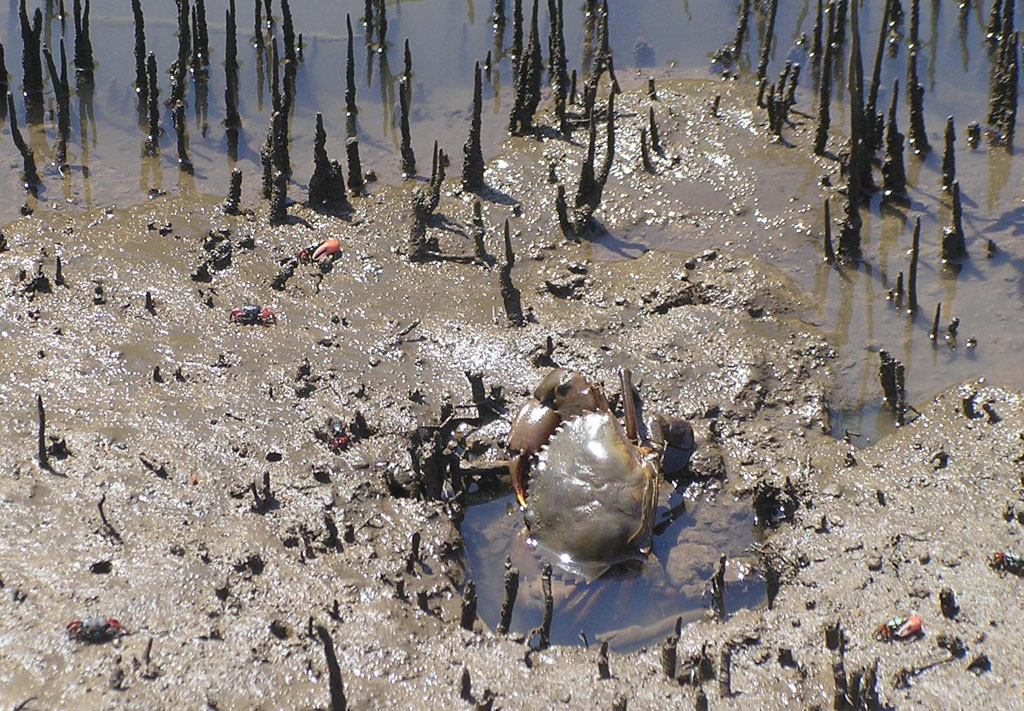
- Mud crab
-

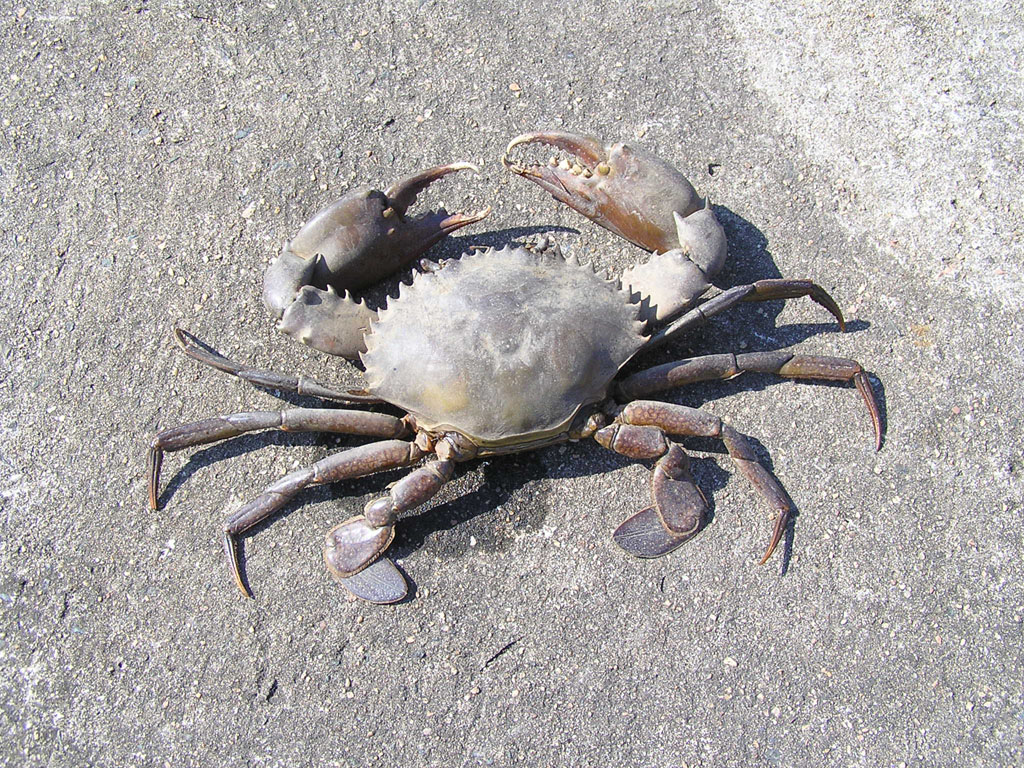
- Mud crab – Scylla serrata
-
- Fiddler – female
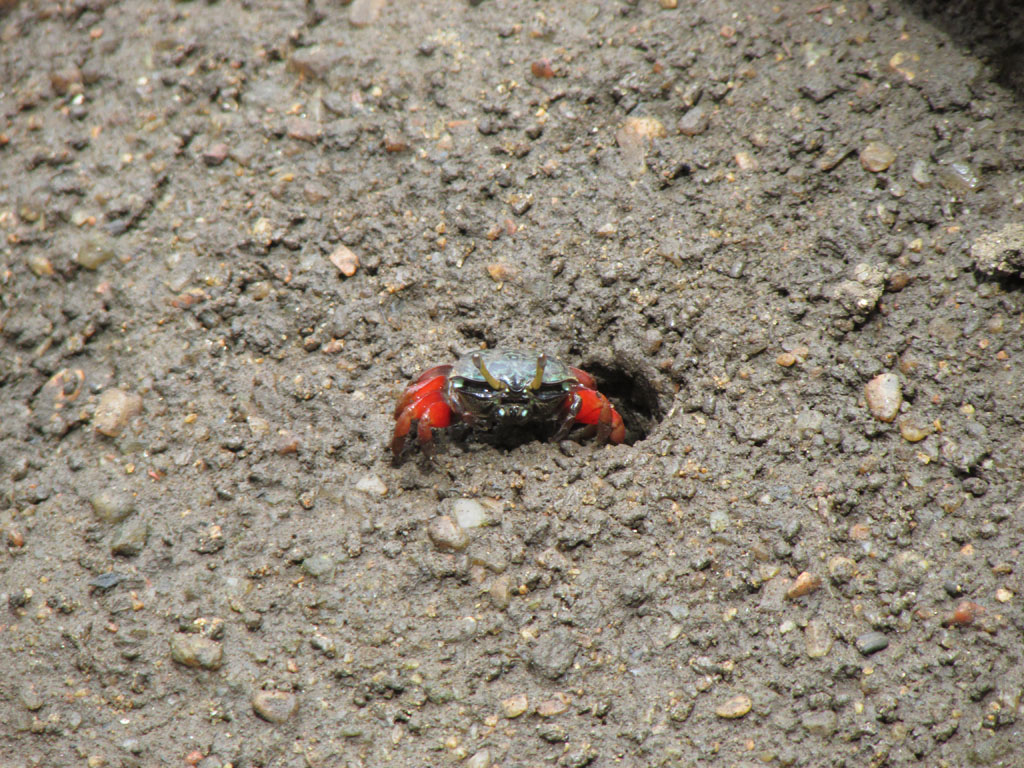
-
- Fiddler – male
-

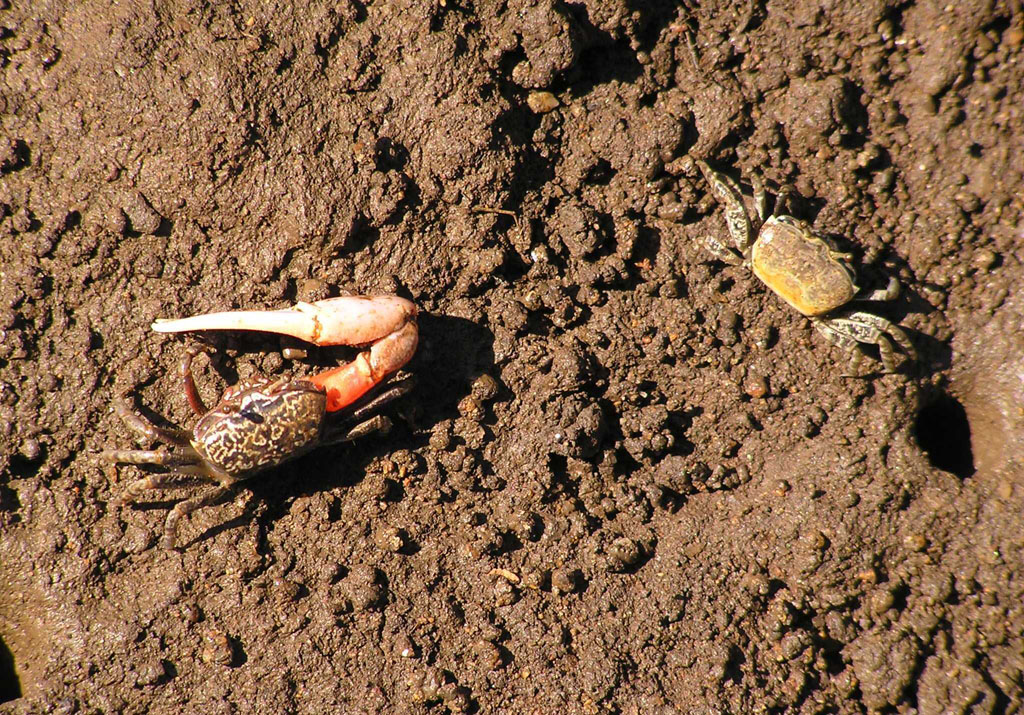
- Fiddler crabs (Male and female)
-

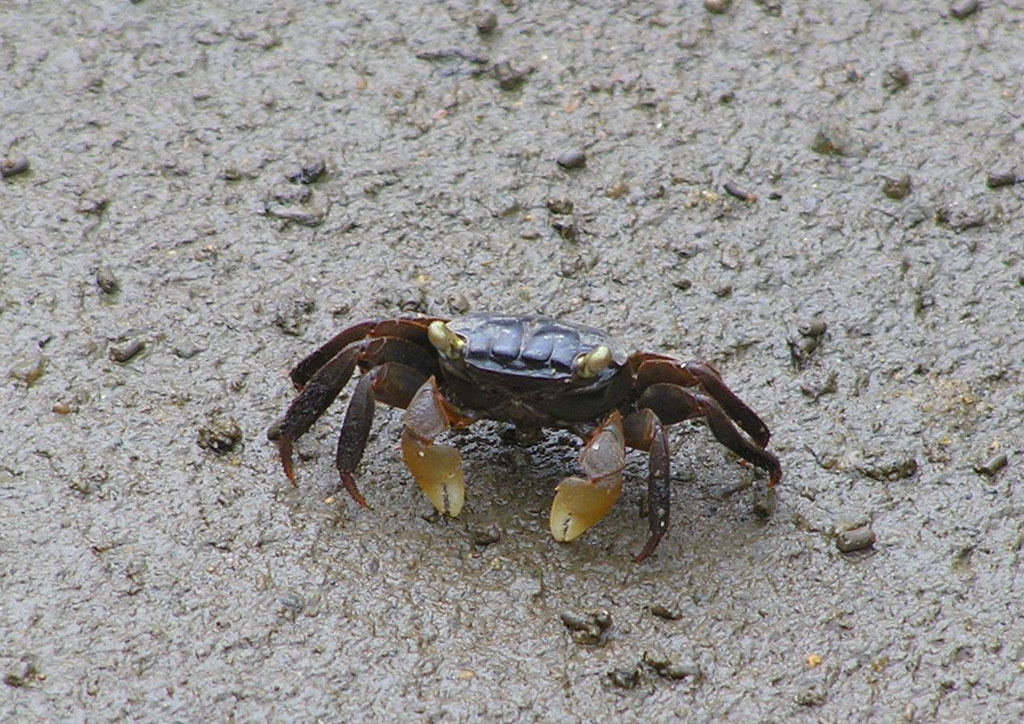
- Marsh crab
-
- Marsh crabs
-

- Marsh Crab – Sesarma catenata
-

- Tangoman with Red Mangrove crabs
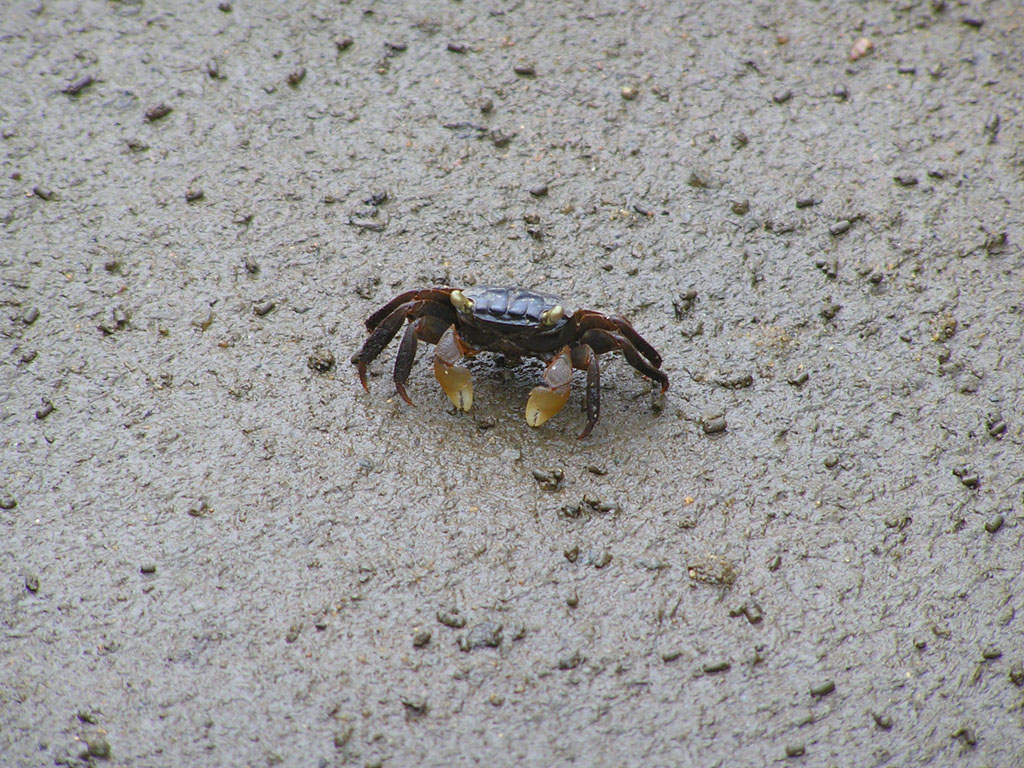
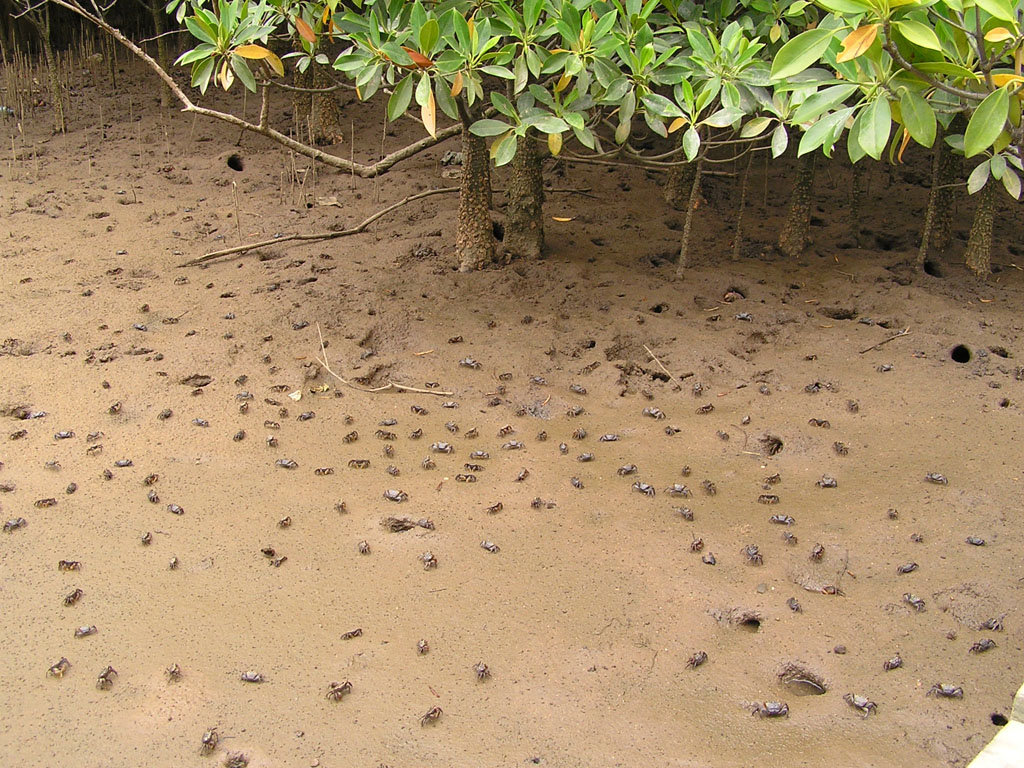
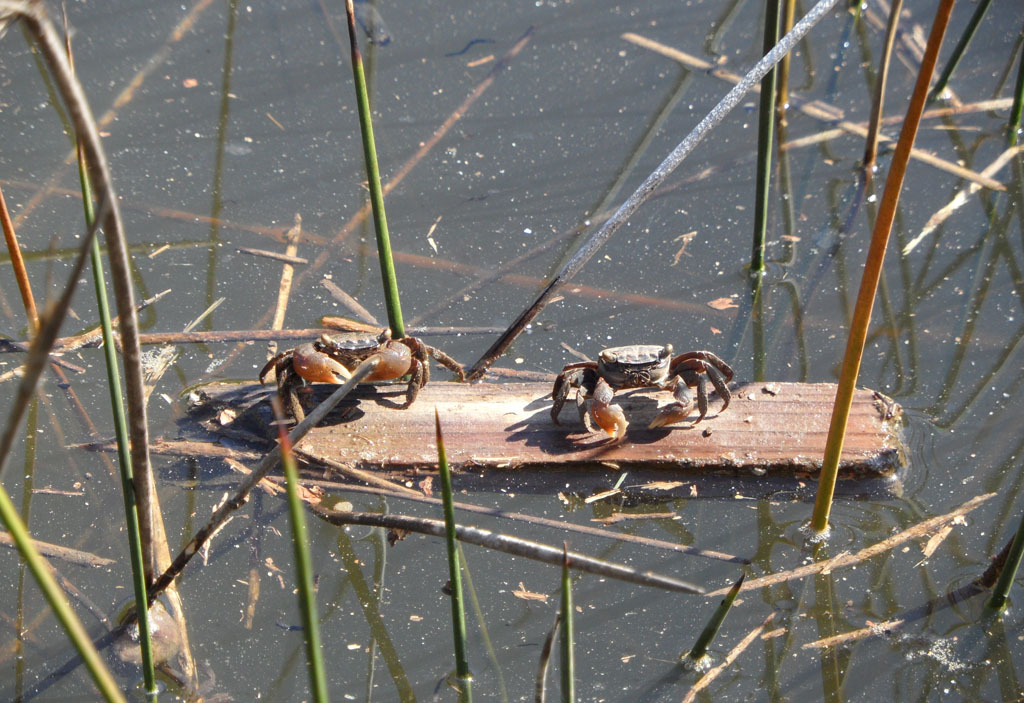
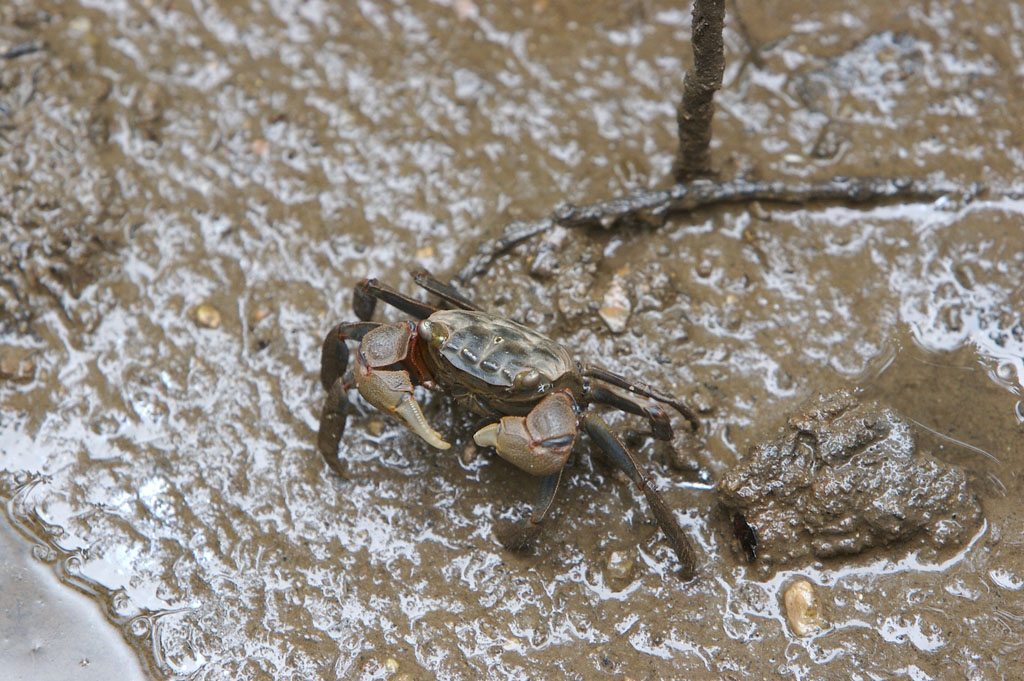
Marsh crabs are little mud brown crabs which are also of the Sesarmid family and live in amongst the burrows of the red clawed crabs without any repercussions. They’re the least shy of the crabs and often climb trees.
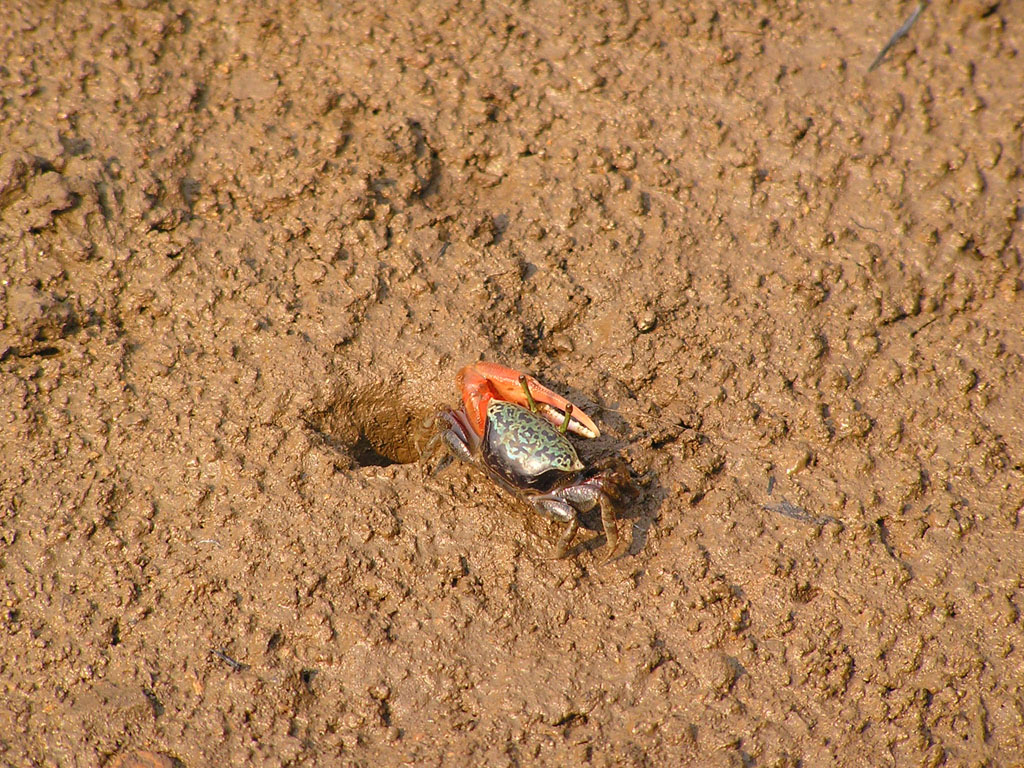
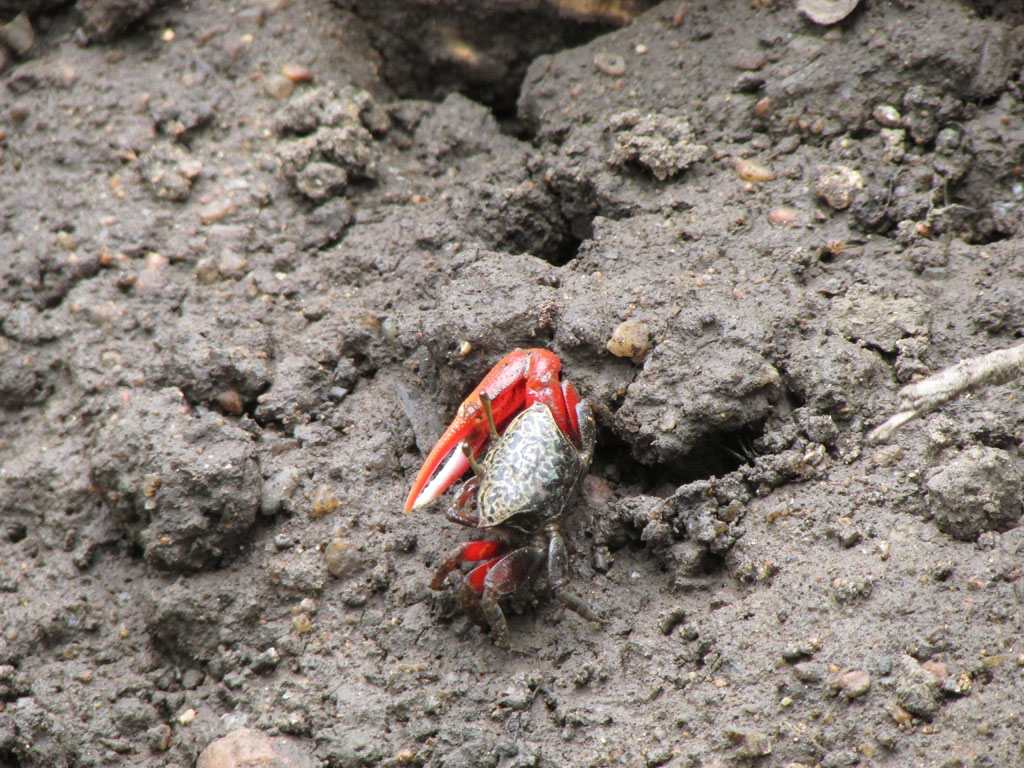
Fiddler crabs are by far the most fascinating in the reserve. The male of the species flaunts his one huge pincer, when compared with the diminutive second claw, which he constantly waves in the air either to intimidate other males, or to attract females. Interestingly: fiddler crabs reabsorb their shells instead of shedding them, as they grow.
Mud crabs, or Scylla serrata, are a species of crabs found in estuaries and mangroves of Asia, Australia and Africa. Interestingly, Mud crab’s diet is based on molluscs and crustaceans, rarely on plant material and fish. Mud crabs can grow up to 3kg in weight and their colour generally varies from deep, mottled green to very dark brown